
Efficient use of water
Efficient use of water
The Autonomous University of Nuevo León, committed to sustainable development and the responsible management of natural resources, is promoting the Efficient Water Use Program across all its campuses and academic departments. This initiative is part of its institutional sustainability policy and addresses the need to reduce water consumption, prevent waste, and foster an environmental culture focused on water conservation.
The program includes strategic actions such as modernizing water infrastructure, reusing treated water, implementing low-consumption technologies, and raising awareness within the university community about the vital importance of this resource. Additionally, through these actions, UANL seeks to contribute to achieving the Sustainable Development Goals, particularly SDG 6: Clean Water and Sanitation for All.
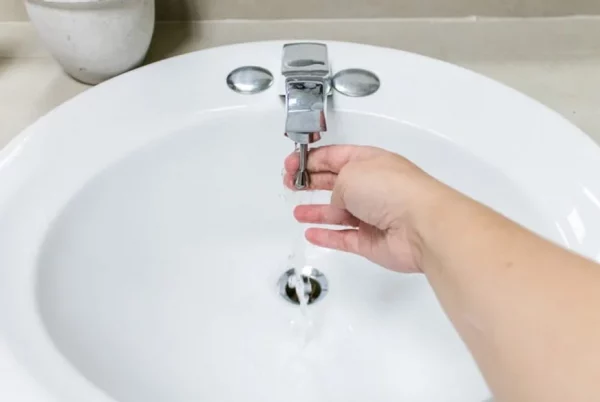
The efficient water use program allows for reduced water consumption, generates significant economic savings, but above all, it fosters a culture of care and sustainable use of water among university students.
The program's implementation is based on a comprehensive approach that combines technology, monitoring, and environmental education. Over time, water-saving devices have been installed in toilets, sinks, and irrigation systems, along with equipment for the collection, treatment, and reuse of wastewater, across all campuses and academic departments. Through the "Control Panel," operated by the Secretariat of Sustainability via the Directorate of Infrastructure for Sustainability, consumption is monitored monthly, allowing for leak detection and optimization of resource use in real time. Simultaneously, awareness campaigns are being conducted for students, faculty, and administrative staff to promote responsible water usage habits.
Among the main benefits derived from the operation of the program are the following: the reduction in water consumption, which generates significant economic savings for the institution; it helps to decrease the pressure on local and regional supply sources, which contributes to preserving aquatic ecosystems and maintaining a balance in the hydrological cycle; it strengthens environmental awareness in the university community, reinforcing its commitment to caring for the environment and the well-being of the community.
In 2024, the Autonomous University of Nuevo León recorded a total water consumption of 1,552,325 m3, this is associated with the growth in student enrollment. Annual per capita water consumption in 2024 was 6.45 m3.
Taking advantage of alternative water sources
- In 2024, more than 210,000 liters of water were collected from alternative sources.
In 2024, some experiences of rainwater harvesting were recorded in Preparatory Schools 7, 8, 20, Industrial School and Technical Preparatory School “Álvaro Obregón”, Faculty of Mechanical and Electrical Engineering, as well as the Faculty of Public Accounting and Administration.
The program to utilize alternative water sources aims to reduce potable water consumption by implementing innovative strategies on the campuses and in the facilities of the Autonomous University of Nuevo León. One of the main actions involves collecting water generated by condensation in climate control systems, especially air conditioning units. This resource, which was traditionally wasted, is now channeled toward non-potable uses, such as watering green areas.
Simultaneously, infrastructure has been developed for rainwater harvesting, using roofs and impermeable surfaces as collectors, connected to filtration and storage systems. This water is also used for activities that do not require potable water, contributing to the conservation of conventional water resources.
Both strategies not only reduce pressure on the water supply but also promote an institutional culture of sustainability and efficient water use. The program strengthens the university's environmental commitment and serves as a replicable model for other educational institutions.
Water network maintenance program
- The use of smart irrigation systems supplied by treated wastewater has been implemented.
The Water Network Maintenance Program aims to ensure the efficient and safe operation of the water infrastructure on university campuses and in university buildings. Its operation is based on periodic inspections, timely leak detection, pipe cleaning, and repair of deteriorated connections, in order to prevent losses, ensure water quality, and extend the system's lifespan.
Among its main benefits are reduced water waste, improved water pressure and continuity, and lower operating costs associated with emergencies or major damage. Additionally, this program strengthens a culture of responsible water use among members of the university community.
In 2024, 102 services were performed on the hydraulic network (drinking water and treated wastewater) at the UANL facilities.
During 2024, was recorded a 6.67 m3 per capita water consumption.

See graphs of water consumption by campus in the last three years.
 English
  Spanish