
UNIVERSIDAD AUTÓNOMA DE NUEVO LEÓN
SECRETARÍA DE SUSTENTABILIDAD
Menu
Sustainable Agricultural Production

Sustainable agricultural production represents one of the main challenges and opportunities for Higher Education Institutions committed to knowledge generation, technological innovation and the conservation of natural resources.
Given the effects of climate change, ecosystem degradation, biodiversity loss, and the growing demand for food, it is essential to promote agricultural production models that allow us to meet the current needs of the population without compromising the productive and environmental capacity of future generations.
Under this approach, the Autonomous University of Nuevo León (UANL) has strengthened various initiatives aimed at promoting more efficient, resilient, and environmentally responsible agricultural systems through research projects, technology transfer, and production development in strategic locations such as the Center for Agricultural Production Research (CIPA) and the Vallecillo Regional Livestock Development Center. These units serve as innovation and collaboration platforms that integrate teaching, applied research, and outreach activities focused on the sustainable management of agricultural resources.
Among the main actions promoted by UANL are productive diversification, the implementation of crop rotation schemes, livestock genetic improvement, efficient water management, and soil conservation and restoration strategies. Additionally, the protection of biodiversity and ecosystem services associated with agricultural systems is promoted through practices that favor the conservation of vegetation cover, the reduction of erosion, and the responsible use of natural resources.
Furthermore, the incorporation of appropriate technologies and sustainable practices strengthens the productivity and competitiveness of the agricultural sector, while also helping to reduce the environmental impacts associated with conventional production. These actions enhance the resilience of agricultural and livestock systems to droughts, pests, diseases, and extreme weather events, in addition to promoting food security, regional development, and the building of technical skills among students, producers, and rural communities.
Through the implementation of all these initiatives, UANL reaffirms its commitment to building sustainable rural development models, promoting comprehensive solutions that link agricultural production with the conservation of water, soil and biodiversity, thus contributing to the social, economic and environmental well-being of Nuevo León and Mexico.

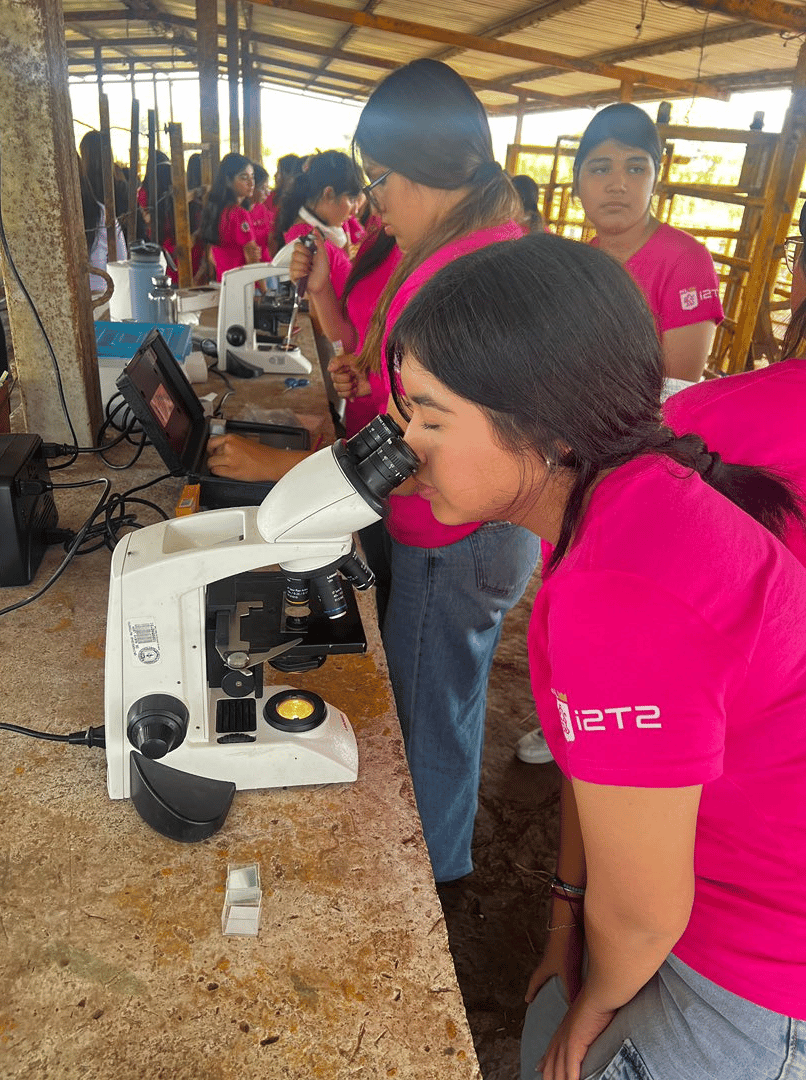

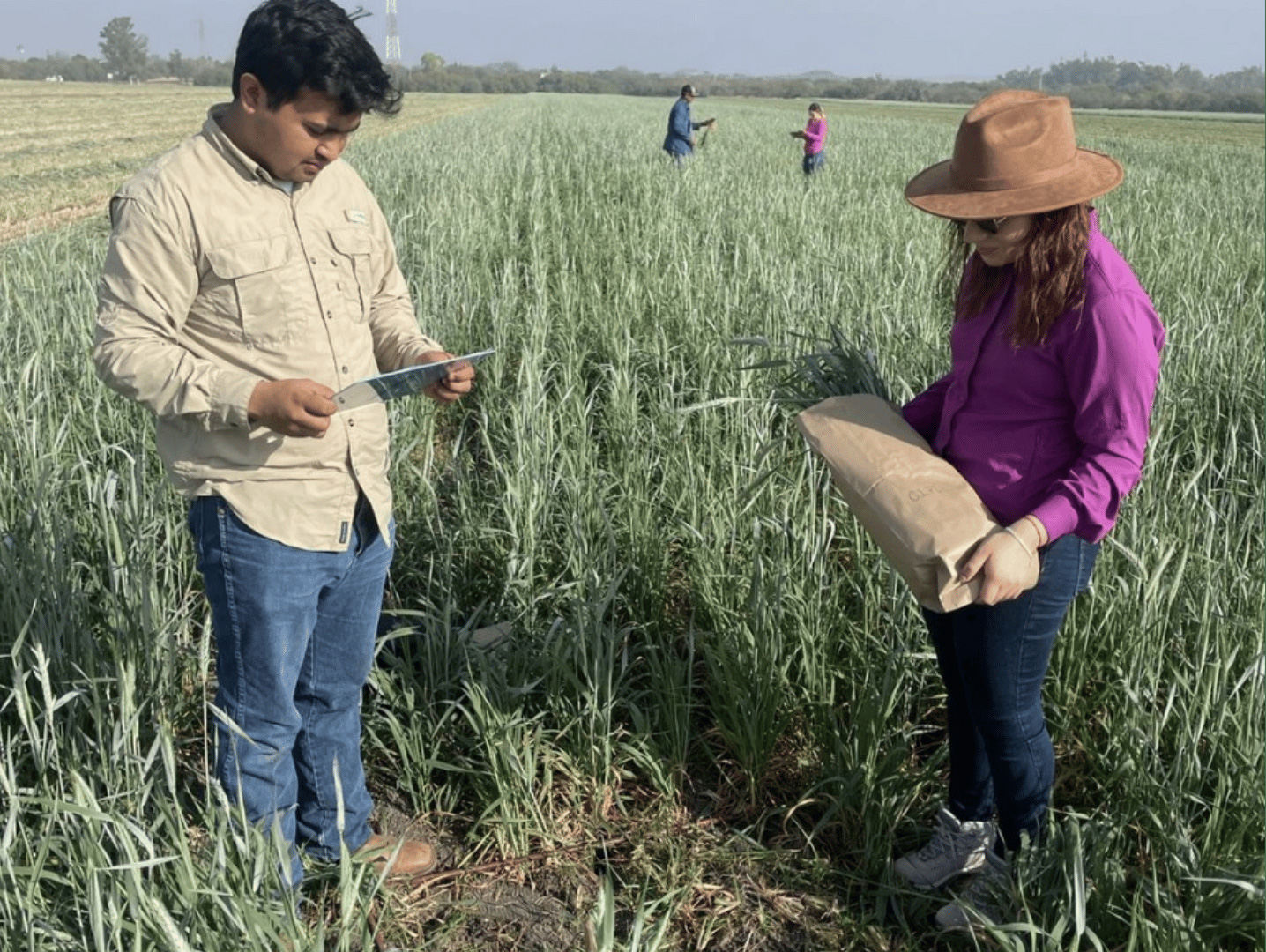
Center for Research in Agricultural Production (CIPA)
This research center, located in the municipality of Linares in the southern part of the state, is one of the most important spaces for promoting research, technological innovation, and the training of specialized human resources in the agricultural sector of northeastern Mexico. Since its creation, CIPA has played a fundamental role in strengthening rural and productive development in Nuevo León through the generation of scientific knowledge, technology transfer, and the implementation of sustainable production models adapted to the region's environmental and socioeconomic conditions.
A lo largo de su historia, el CIPA ha contribuido significativamente al desarrollo del sector agropecuario estatal mediante proyectos orientados al mejoramiento genético animal, la eficiencia productiva, el manejo sustentable de los recursos naturales y la diversificación de las actividades agropecuarias. De igual forma, se ha consolidado como un espacio de formación académica y práctica para estudiantes, investigadores, técnicos y productores, fortaleciendo las capacidades profesionales y científicas vinculadas al manejo sustentable de los sistemas agroalimentarios.
Under a comprehensive vision of sustainability, CIPA promotes strategies aimed at increasing agricultural productivity with an environmentally responsible approach.


Sustainable Strategy for Forage Production and Utilization in Livestock Systems
Forage production is carried out through a sustainable management scheme aimed at maximizing productive efficiency, conserving natural resources and strengthening the food self-sufficiency of the livestock system.
In the areas where forage sorghum and Pretoria grass are grown, the favorable rainfall conditions during the rainy season allow for greater biomass production, favoring the availability of food for livestock as well as soil recovery and conservation.
As part of the utilization strategy, an initial cutting of forage sorghum is carried out for silage production, allowing for the preservation of high-quality, nutritious forage for use during periods of scarcity or low pasture production. If favorable weather conditions persist, a second cutting is performed, which is used for the production of hay bales and rolls, thus increasing strategic feed reserves and reducing dependence on external inputs.


Managing these crops not only contributes to the herd's forage supply but also to the establishment and strengthening of Pretoria grass, a perennial species that represents a sustainable alternative for livestock production systems in the region. Because it is a long-lasting grass, it significantly reduces the need for frequent soil preparation, thereby lowering operating costs, fuel consumption, soil compaction, and emissions associated with mechanized agricultural activities.
Furthermore, the management of the area will focus on soil conservation and improvement practices, through fertilization and aeration that promote greater water infiltration and absorption, improving moisture retention and fostering the health of the productive ecosystem. These actions contribute to reducing erosion, increasing long-term productivity, and strengthening the system's resilience to variable climatic conditions. With this sustainable forage production and management scheme, the aim is to move towards a more efficient, resilient, and environmentally responsible livestock model that optimizes the use of natural resources, improves productivity, and ensures the long-term sustainability of livestock activities.
Sustainable Viticulture

Among the most relevant actions in terms of productive diversification is the establishment of an experimental vineyard in 2011, with species that require little water, such as Vitis vinifera L., favoring agricultural alternatives adapted to the semi-arid conditions of the region. In 2025, the cultivated area reached 4 hectares with varieties such as Merlot, Shiraz, Tempranillo, Grenache, Chenin Blanc and Sauvignon Blanc, promoting the efficient use of water and the generation of products with high added value.
Since 2011, the cultivation of vines has been established (Vitis vinifera L.) this crop was initially developed as an agricultural alternative with lower water requirements, starting with an area of 1 hectare. Due to its adaptation and productive viability, the area was increased to 4 hectares by 2024. Six varieties were selected for this process (Merlot, Shiraz, Tempranillo, Grenache, Chenin Blanc, and Sauvignon Blanc), which exhibit good adaptation to warm climates characterized by high temperatures and drought conditions, thus promoting more efficient use of available resources. To optimize water use, in 2024 the initial irrigation system was replaced with a drip irrigation system with integrated emitters, which allows for focused and controlled distribution of water. This technology significantly contributes to water conservation, reduces weed proliferation by limiting moisture in unwanted areas, and decreases the risk of diseases associated with excess moisture. Furthermore, progress has been made toward more efficient irrigation management, taking into account the crop's water requirements based on its phenological stages and climatic conditions, in order to avoid losses due to evaporation or deep percolation. Regarding soil management, mechanical agricultural practices are combined for land preparation and weed control, which disrupt germination and destroy plant tissue without the need for herbicides.


Additionally, composting practices are implemented using production waste, such as grape pomace, allowing for the reincorporation of organic matter into the soil under a circular economy approach. This strategy contributes to improving the soil's physical and chemical properties, including pH, acidity, and nutrient availability, as well as increasing the concentration of phenolic compounds in the fruit, while simultaneously reducing waste generation and the use of chemical fertilizers. As part of the climate risk mitigation strategies, the implementation of hail nets is planned. These nets protect the crop from extreme events such as hailstorms, reducing production losses and the need for replanting. These nets also contribute to modulating the vineyard's microclimate, decreasing direct solar radiation and temperature on the plant canopy, which promotes moisture retention and reduces heat stress in the plants.
Taken together, these actions form part of a comprehensive sustainability strategy focused on adapting to climate change, considering scenarios of higher temperatures and limited water availability. Through resource optimization, the incorporation of biological inputs, crop protection against extreme events, and responsible soil management, the aim is to maintain vineyard productivity with a reduced environmental impact, moving towards a more resilient and sustainable production model.
Alere Winery
As a complement to this strategy, the Alere Winery has established itself as a hub for innovation and oenological research, equipped with cutting-edge technology for wine processing and production. Furthermore, it incorporates renewable energy systems using photovoltaic cells, contributing to a reduction in energy consumption and the environmental footprint associated with intensive agro-industrial processes.


GrowSafe 6000 to Vytelle 8000 software upgrade for feed efficiency assessment
To achieve genetic improvement in livestock, it is important to objectively measure those traits that have economic value and respond quickly to genetic enhancement. These traits include those related to productive efficiency and meat quality, such as: weight gain at weaning and post-weaning, feed conversion efficiency, reproductive capacity, and carcass quality.
An alternative measure of feed efficiency is Residual Feed Intake (RFI), defined as the difference between an animal's actual feed intake and the estimated intake expected based on its growth and body weight (Koch et al., 1963; Archer et al., 1999). This assessment is performed over a specific trial period and can be accurately measured using specialized technology.


The Center for Agricultural Production Research (CIPA), aware of the importance of these evaluations, issues calls for applications in which livestock are received to assess various productive and feed efficiency characteristics. Currently, CIPA is undergoing a technological transition, replacing the GrowSafe 6000 system with the new Vytelle 8000 system, with the aim of modernizing measurement processes and improving the accuracy, analytical capacity, and operational efficiency of the tests. The implementation of the Vytelle 8000 system allows for:
- Greater accuracy in the individual measurement of food consumption.
- Automated and continuous monitoring of eating behavior.
- Improved processing and analysis of production data.
- Reduction of operational errors and optimization of times.
- Generating more reliable information for genetic selection programs.
With this technological upgrade, CIPA strengthens its commitment to innovation and the development of tools that contribute to genetic improvement and the sustainability of livestock production.
Technological upgrade of the facilities
With the goal of improving the accuracy, efficiency, and reliability of data collection, a comprehensive upgrade of the facility's equipment and software was recently completed. This modernization includes:
- DAQ Panel (Data Acquisition Module)
- RTU Panel (Remote Terminal Units)
- Data cables and power supplies
- CPU (Central Processing Unit)

These improvements allow for optimized individual consumption monitoring, strengthened data capture and processing, and more accurate results for decision-making in genetic selection and production evaluation programs. In 2025, an evaluation was completed, which included a joint research project with MNA of Mexico, entitled: “Effect of Lithothamnium calcareum in productive performance, residual feed intake, gastrointestinal barrier integrity, inflammation, and immune response in Simbrah heifers and calves.” The study evaluated the inclusion of Lithothamnium calcareum in diets for Simbrah heifers and calves on productive performance, residual feed intake (RFI), gastrointestinal barrier integrity, systemic permeability and various immunological and inflammatory parameters.
Supplementation with Lithothamnium calcareum contributes to stabilizing ruminal pH, reducing intestinal permeability and systemic inflammation, improving tissue integrity and promoting the productive performance of fattening animals.
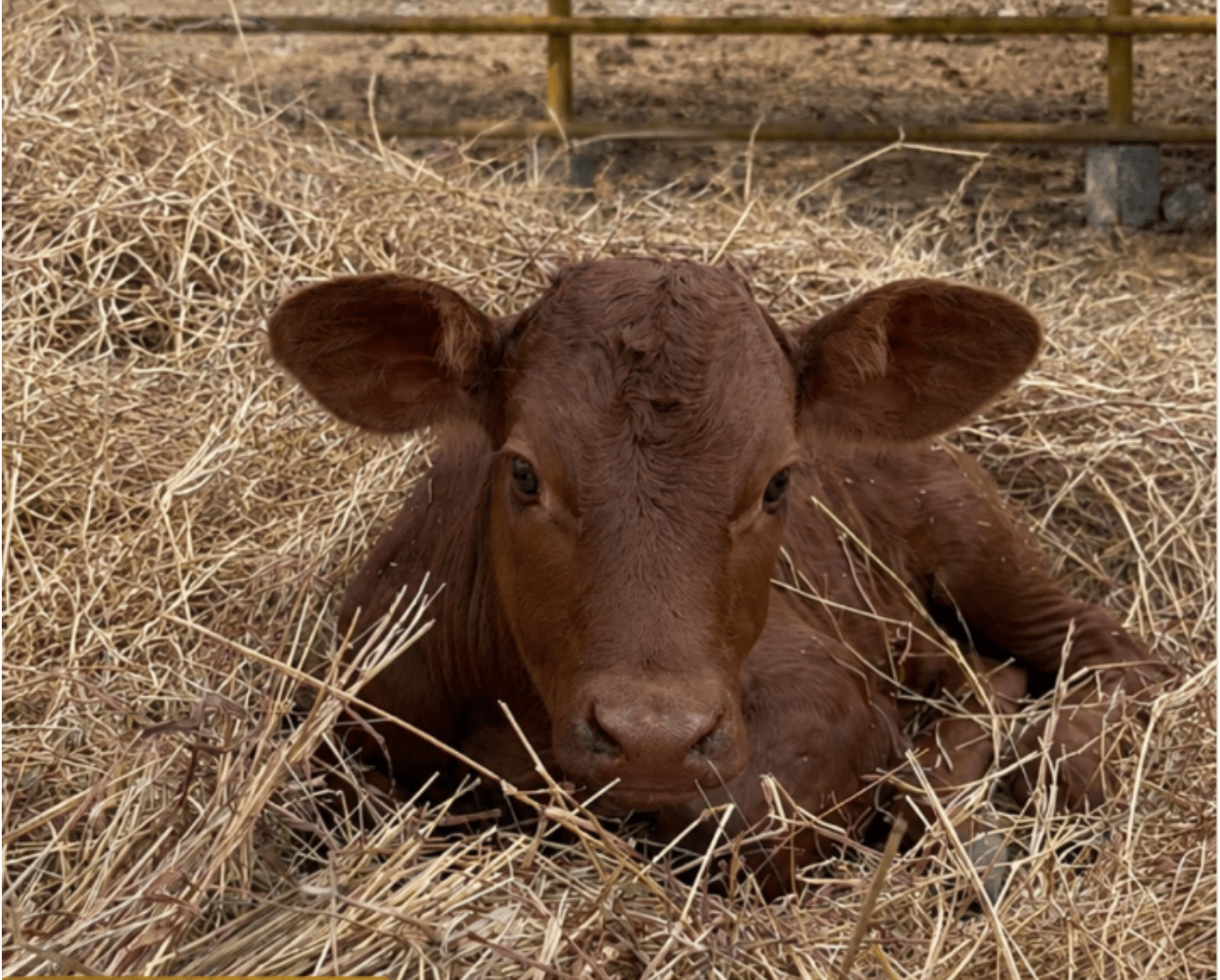
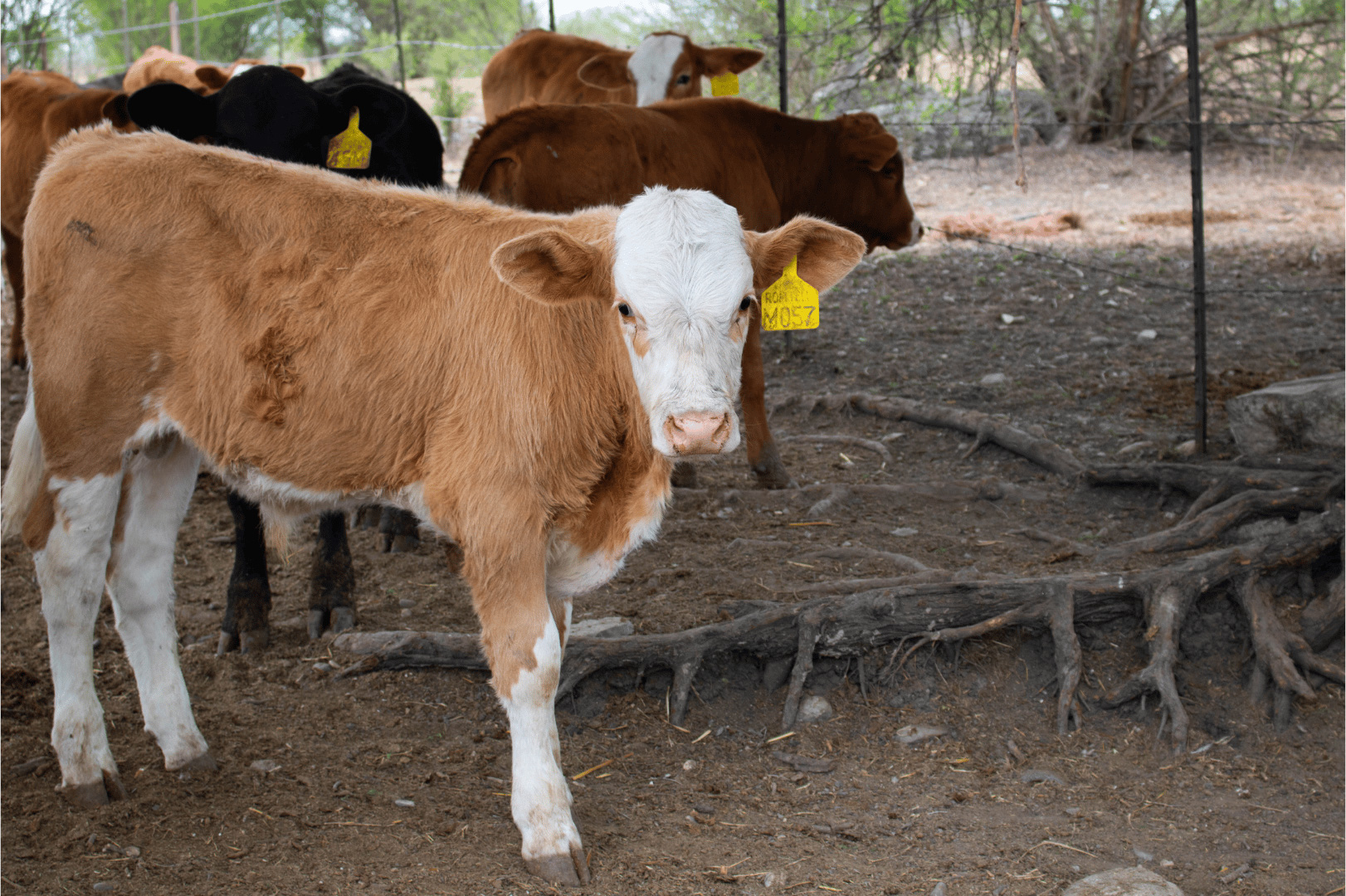
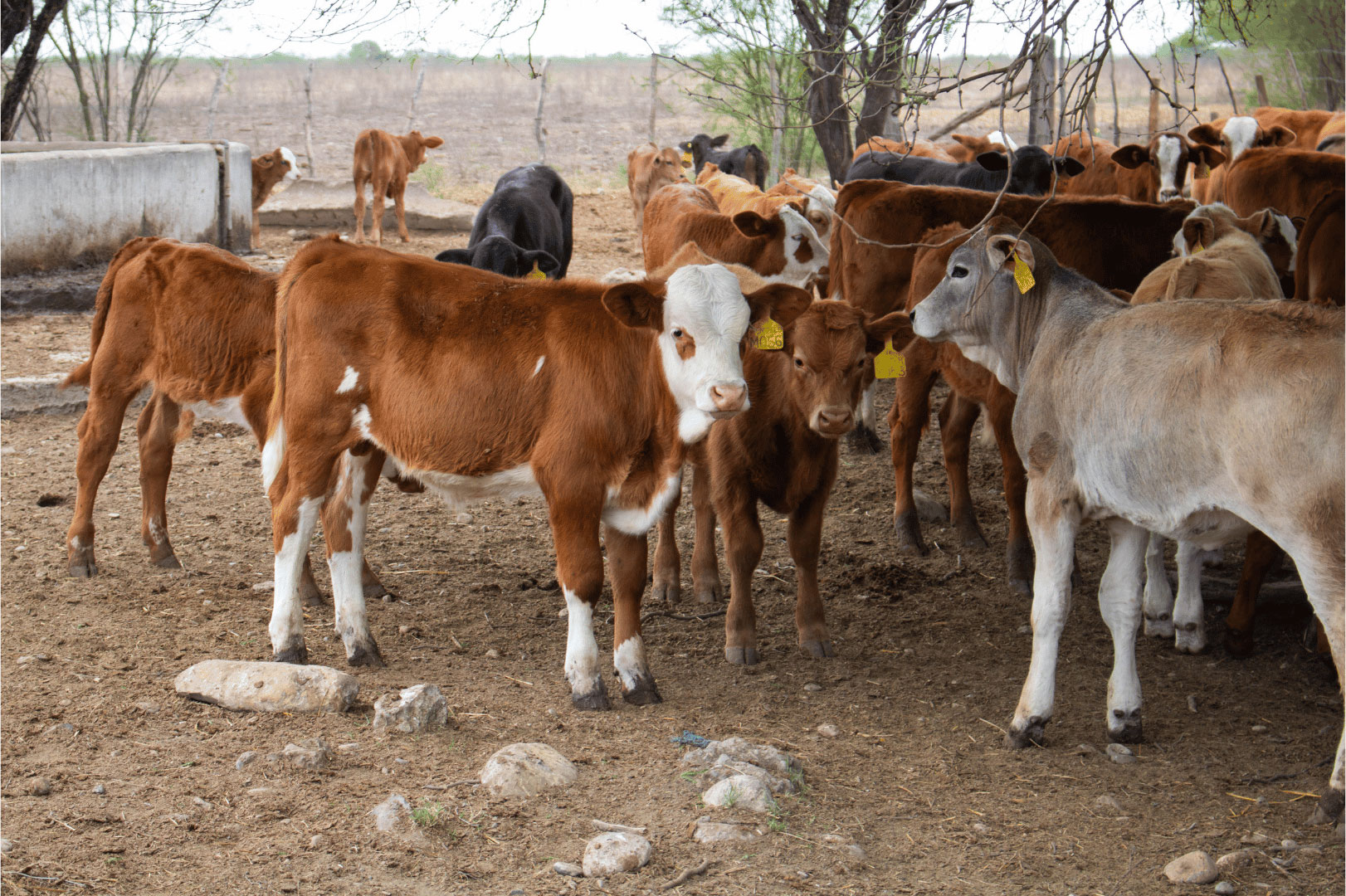
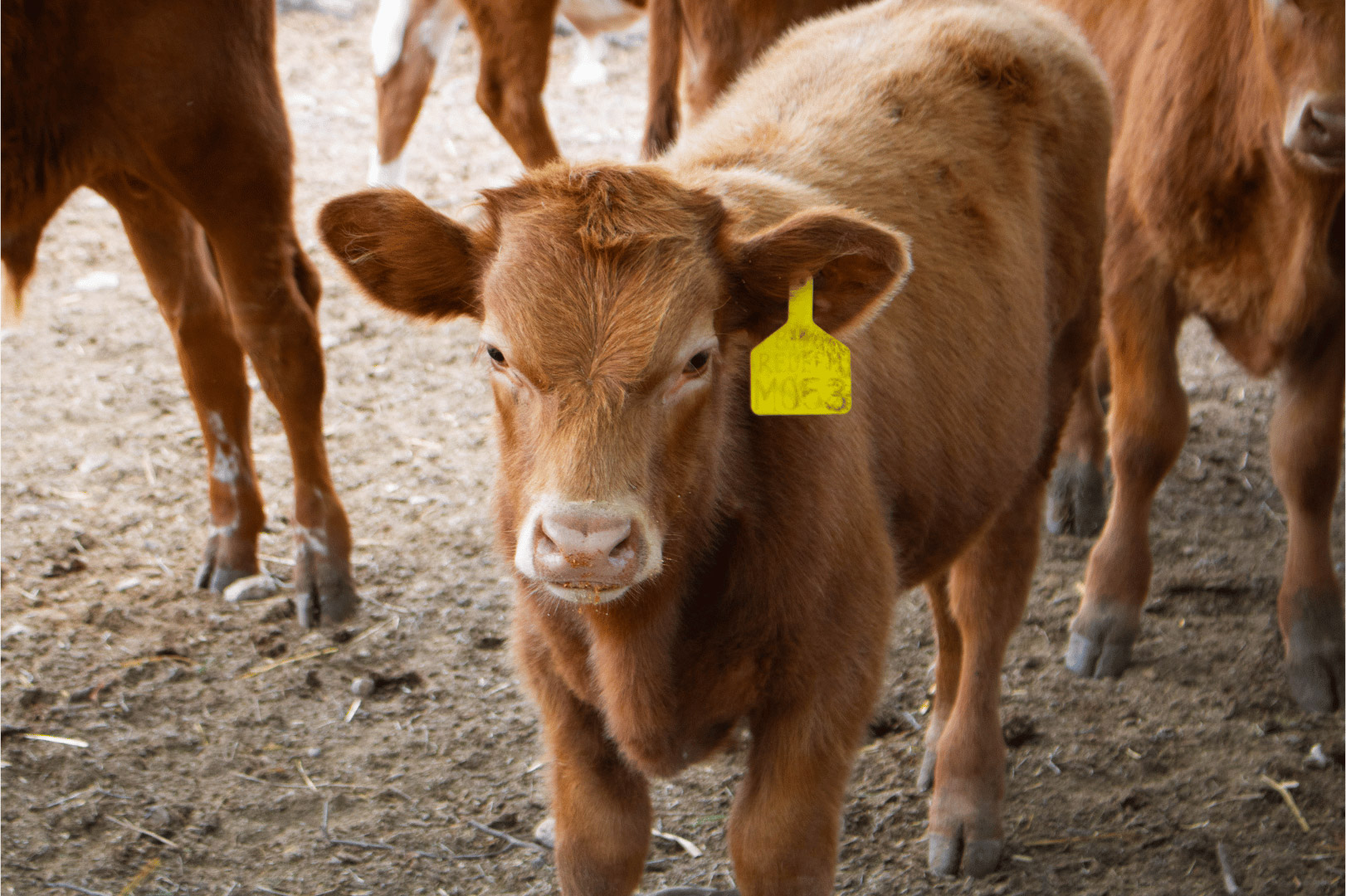
CIPA 525 Biotype Project (50% Simmental, 25% Angus and 25% Tuli)
This project emerged as a strategy aimed at developing more sustainable, resilient, and efficient cattle production systems suited to the environmental conditions of northeastern Mexico. Through the genetic combination of Simmental, Angus, and Tuli breeds, the project seeks to integrate productive, reproductive, and adaptive characteristics that will reduce the environmental impact of livestock farming, optimize the use of natural resources, and strengthen the economic and productive sustainability of regional livestock systems.
The overall objective is to evaluate the productive, reproductive, adaptive and sustainable performance of a Simmental-Angus-Tuli composite bovine biotype under the environmental and management conditions of northeastern Mexico, with the purpose of determining its viability as an alternative for more efficient, resilient and environmentally responsible meat production systems.
The Simmental-Angus-Tuli biotype's contribution to livestock sustainability represents an innovative alternative to promote sustainable livestock farming, as it integrates genetics focused on productive efficiency, climate adaptation, and rational use of resources.
Greater adaptation to climate change
The inclusion of the Tuli breed introduces hardiness and heat tolerance—fundamental traits for coping with the high temperatures and periods of drought found in northeastern Mexico. This enables:
- Reduce heat stress in animals.
- Reduce production losses in extreme climates.
- Maintain reproductive efficiency under adverse conditions.
- Promote grazing systems in semi-arid environments.
More efficient use of resources
The hybrid vigor generated by the combination of the three breeds favors animals with:
- Better feed conversion.
- Greater reproductive efficiency.
- Reduced need for replacements.
- Greater productive longevity.
These characteristics contribute to reducing the consumption of resources such as water, feed, and energy per kilogram of meat produced, fostering more efficient and sustainable systems.




Reduction of environmental impact
The development of more adapted and efficient animals enables:
- Better utilization of grasslands.
- Reduction of losses due to disease and mortality.
- Reduced pressure on natural resources.
- Meat production with lower environmental impact per unit produced.
Having functional and resilient animals reduces the need for intensive treatments and excessive handling, promoting production that is more balanced with the environment.
Contributions of each breed to the sustainable system: Simmental contributes:
- High growth and production efficiency.
- Good milk production.
- Excellent carcass yield.
- Greater musculature and conversion capacity.
Angus breed
Provides:
- Meat quality and marbling.
- Fertility and sexual precocity.
- Good reproductive efficiency.
- Better commercial value of the final product.
Tuli breed
Provides:
- Hardiness and environmental resilience.
- Heat and drought tolerance.
- Parasite resistance.
- Ability to adapt to extensive and semi-arid systems.
- Expected outcome for the biotype.
The aim is to obtain animals:
- Adapted to variable weather conditions.
- Suitable for sustainable grazing systems.
- More efficient in feed conversion.
- With greater fertility and longevity.
- Capable of producing high-quality meat with a lower environmental impact.
Crossbred cows can also stand out for:
- Good maternal ability.
- Efficient milk production.
- Better calf survival.
- Greater reproductive stability in challenging environments.
The CIPA 525 biotype represents a strategic approach to strengthening sustainable cattle farming in northeastern Mexico. The genetic integration of Simmental, Angus, and Tuli breeds enables the development of animals that balance productivity, adaptability, and efficiency, fostering livestock systems that are more resilient to current climatic conditions.
Forest School: education, conservation, and climate adaptation
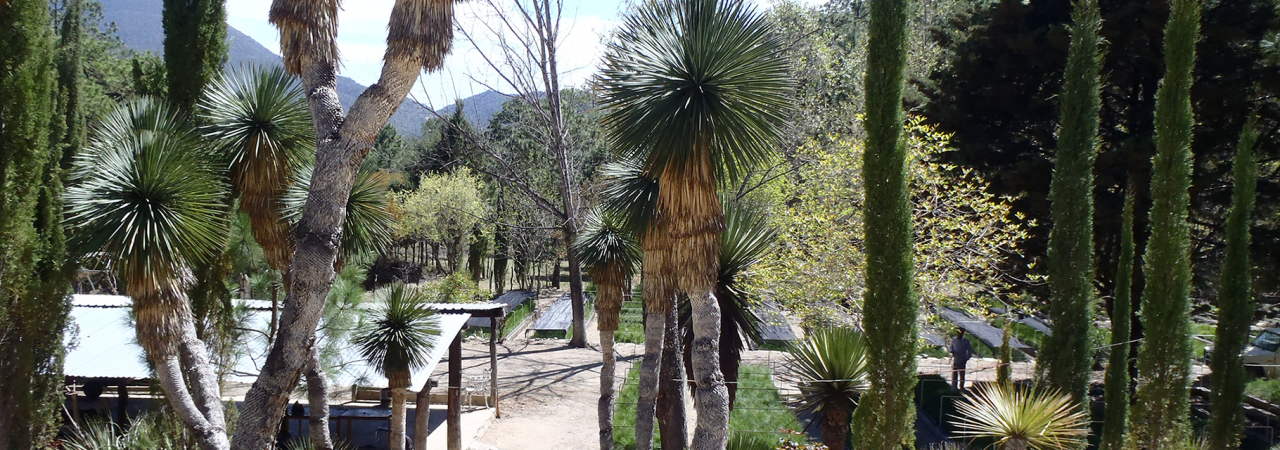
One of the projects of greatest ecological and educational significance linked to CIPA is the UANL School Forest, located in the municipality of Iturbide, Nuevo León, covering an area of 1,077 hectares. This site serves as a natural laboratory dedicated to academic training, scientific research, and environmental conservation. Its diverse ecosystems—comprising oak, pine-oak, and cedar forests, as well as scrub-chaparral—contribute to carbon sequestration, regional climate regulation, and biodiversity conservation.
During 2025, the Forest School carried out various activities focused on environmental education, ecological restoration, and forest fire prevention. Among the highlights were awareness and training campaigns in coordination with the State Civil Protection agency to strengthen a culture of forest fire prevention and control; and reforestation days with the planting of various tree species. Pinus pseudostrobus in fire-affected areas, as well as the production of forest seedlings intended for institutional restoration programs and support for rural communities.
Similarly, projects were promoted for the production of native grass seeds, such as Bouteloua gracilis and Bouteloua curtipendula, used in the rehabilitation of hard-to-reach, steeply sloped areas, fostering the recovery of degraded ecosystems and strengthening regional ecological resilience.
The work carried out by CIPA reflects the importance of integrating science, education, innovation, and environmental conservation as pillars of sustainable agricultural and livestock development. Through its programs and projects, the Center contributes to strengthening the productive sector in Nuevo León, enhancing the well-being of rural communities, and training professionals committed to protecting natural resources and building agri-food systems that are more resilient, efficient, and environmentally responsible.


Vallecillo Regional Livestock Development Center

Founded in February 1988 and located in the municipality of Vallecillo, in the northern part of the state of Nuevo León, this center serves as a strategic hub for promoting sustainable agricultural and livestock activities, technological innovation, and the comprehensive training of specialized personnel for the rural sector. Spanning a total area of 13 hectares—with 2 hectares dedicated to infrastructure and 11 to productive activities—the center develops production models focused on the responsible use and conservation of natural resources.
Throughout its history, the Vallecillo Regional Livestock Development Center has established itself as a platform linking academia, the productive sector, and rural communities, promoting knowledge transfer, the strengthening of technical capabilities, and the adoption of sustainable agricultural and livestock practices adapted to the environmental conditions of the semi-arid region of northeastern Mexico.
Additionally, the Center plays a significant role in the training of students, researchers, and producers, providing spaces for applied learning, experimentation, and the development of research and innovation projects in the agricultural sector. These activities foster the creation of technical and scientific solutions that contribute to sustainable rural development and the strengthening of Nuevo León's agricultural sector.


Among the main activities carried out at the Center are the following:
Agricultural management and tillage practices focused on soil conservation and the sustainable use of natural resources:
The Center employs agricultural management and tillage practices aimed at soil conservation and the sustainable use of natural resources. It also features 11 hectares of productive land with an irrigation system used strategically—solely during critical periods—to optimize water use and maintain the productivity of forage crops.
- Grain and forage production.
Soil management:
No-till farming: This system is implemented on an area of approximately 3.25 hectares planted with Pretoria grass, buffel grass, and leucaena. Its management helps preserve soil structure, reduce erosion, and promote vegetative cover, thereby contributing to moisture conservation and the sustainable use of natural resources.
Minimum tillage: It is carried out on an area of 3.5 hectares using subsoiling approximately every two years, with the aim of improving soil aeration, facilitating water infiltration, and promoting crop root development.
Conventional tillage: This system is applied to 1.75 hectares, using a plow and harrow for land preparation—primarily for establishing winter crops such as oats and ryegrass intended for forage production.
Alternative crops: As part of productive diversification strategies, 0.25 hectares are allocated to the cultivation of fig trees—specifically the Blanco Texas, Brown Turkey, Black Mission, Celeste, and Grande Texas varieties—and another 0.25 hectares to improved prickly pear cactus, including varieties such as Villanueva and Copena F1. These actions contribute to expanding agricultural diversity and strengthening the sustainable use of available resources.
Productive diversification (Agaves): Since 2016, agave cultivation has been adopted as a productive alternative suited to the region's semi-arid conditions, owing to the plant's low water requirements and high capacity for climate adaptation. This species possesses physiological traits that promote efficient water use—such as nocturnal stomatal opening, which reduces moisture loss through evapotranspiration—as well as a deep root system that enables more efficient utilization of soil moisture and helps mitigate erosion.
These characteristics make agave a viable option for strengthening the sustainable use of natural resources and promoting the diversification of production systems.
Currently, the Center has 0.5 hectares dedicated to the cultivation of various agave species, most notably Agave americana, Agave salmiana and Agave weberi, as well as some copies of Agave montana and Agave angustifolia, established since 2023 as part of strategies for productive adaptation and agricultural sustainability.


Environmental management units (goats): A goat management unit was established in 1988. Currently, the project involves various breeds, such as Boer, Kiko, Saanen, Alpine, and Nubian.
Using goats for weed control in agave plantations represents a sustainable, agroecological alternative, as it allows the land to be kept clear without relying solely on agrochemicals. Grazing helps reduce weed presence—thereby decreasing competition for light, water, and nutrients—while also contributing to soil fertilization. This approach promotes more sustainable management of the production system, serving as an efficient biological control practice within the agricultural ecosystem.
International Goat Workshop 2025: The 2025 International Goat Workshop took place in 2025; it was a course-workshop designed to disseminate scientific, technological, and production-related advances regarding the sustainable management of goat herds. The event featured specialists and speakers from Argentina, Spain, the United States, and Mexico, who shared their experiences and expertise on topics such as production, management, processing, and the marketing of goat products and by-products.
This forum facilitated the exchange of knowledge among producers, technicians, students, researchers, and specialists in the agricultural sector, promoting the adoption of improved production practices and the development of sustainable strategies for goat farming. It also helped strengthen ties between the UANL, the productive sector, and rural communities.
Production of agave and nopal seedlings: As part of efforts toward productive diversification and the sustainable use of natural resources, activities are being carried out to produce and propagate seedlings from agave offshoots and prickly pear (nopal) cladodes. These vegetative materials are selected and established under controlled conditions that foster early development and ensure the production of healthy, vigorous plants for subsequent transplanting and field establishment.
Seedling production contributes to strengthening productive alternatives adapted to semi-arid regions, fostering soil conservation, efficient water use, and the creation of economic opportunities for rural families. Furthermore, these initiatives promote the restoration of degraded areas and the development of more resilient and sustainable agricultural and livestock systems.


 English
  Spanish