
Sustainable infrastructure
Sustainable infrastructure
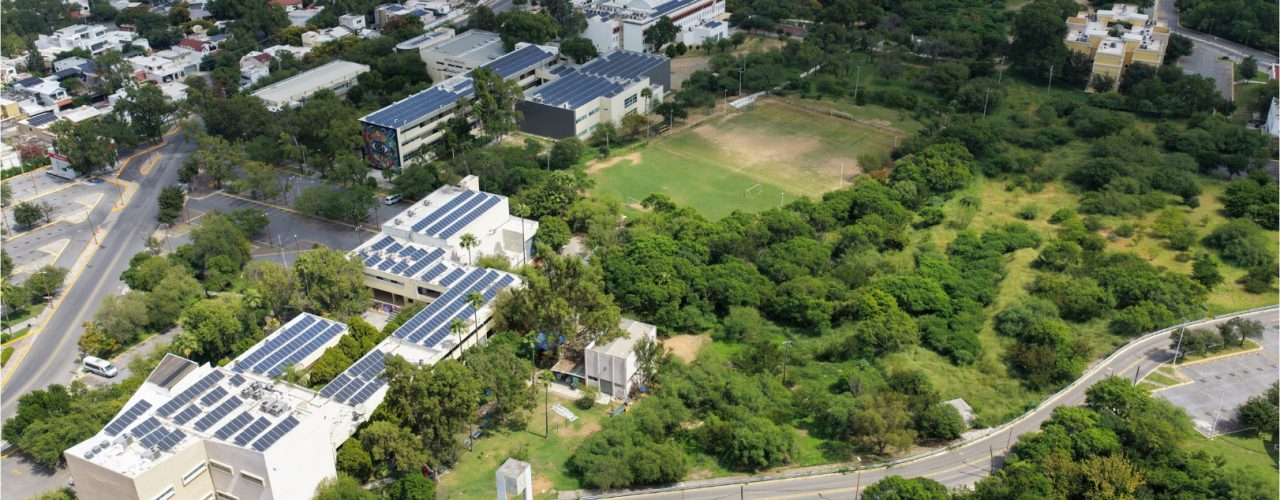
The Autonomous University of Nuevo León (UANL) is the most important higher education institution in northern Mexico and one of the largest in Latin America, both in terms of student enrollment and infrastructure. It currently has 26 faculties and 29 high schools, distributed across seven university campuses and 86 schools located in 36 of the 51 municipalities that make up the state of Nuevo León.
Five of the UANL campuses are located in the Monterrey Metropolitan Area: University City, Health Sciences, Mederos, Agricultural Sciences, and Cadereyta. The other two are located in the municipalities of Sabinas Hidalgo and Linares. Most of the UANL campuses are situated in areas with arid or semi-arid climates, with an average annual rainfall of 650 mm and an average temperature of 25 °C, reaching highs above 40 °C and even lows below 0 °C.
Given this context, the UANL has adopted an institutional policy for sustainable infrastructure focused on the design, construction, equipping, and operation of university spaces according to environmental, social, and economic criteria. This policy aims to reduce environmental impact, optimize the use of natural resources, improve operational efficiency, and ensure safe, inclusive, and healthy environments for members of the university community.
As part of this strategy, UANL has incorporated standards and best practices into its real estate development processes through technical guidelines issued by the Secretariat of Sustainability. These guidelines promote, among other actions, the self-generation of energy through renewable sources, the use of high-efficiency air conditioning equipment, thermal insulation of buildings, the use of natural light and ventilation, and the replacement of conventional lighting with LED technology.
38,124,120 m2 total area occupied by the seven campuses that make up the UANL
36,928,153 m2 total water absorption area
1,195,967 m2 built area
20,679,766 m2 area occupied by planted vegetation
16,248,387 m2 area occupied by forest vegetation
552,569 m2 total area on first floor
96.8% proportion of open space
159 m2 open space area per capita
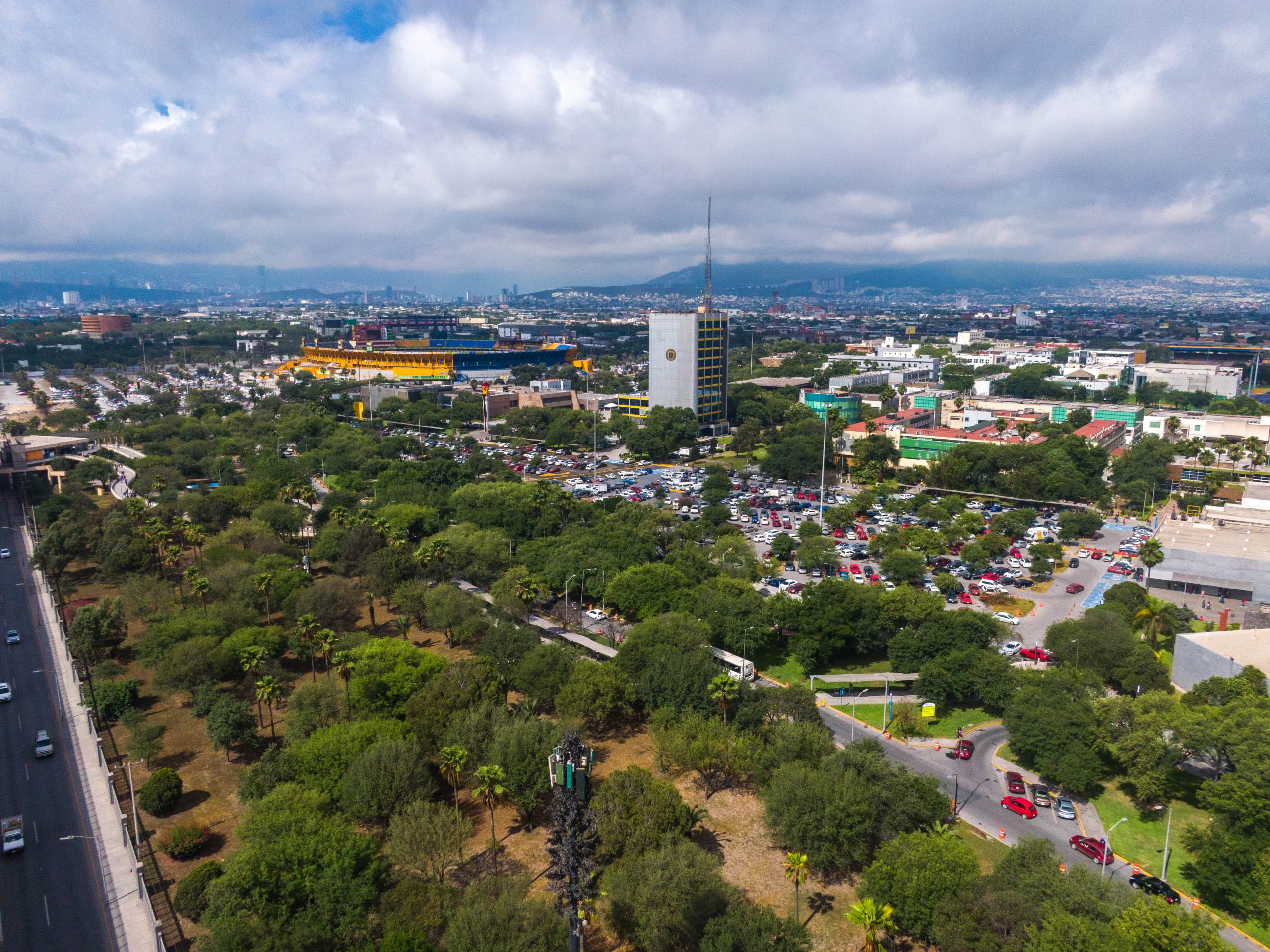
Similarly, control systems such as motion detectors have been implemented in indoor spaces, along with the installation of energy-efficient displays. Regarding water, water-saving devices have been incorporated into sanitary and service facilities, and efforts have been made to increase rainwater harvesting areas and promote the use of technologies such as solar thermal plants for water heating.
The strategy also includes strengthening green infrastructure by increasing areas designated for parks and gardens, developing green roofs, and conserving the university's forest resources. This is complemented by the implementation of integrated waste management and recycling systems, as well as the use of condensation water from air conditioning systems for irrigating green areas.
As a result of these actions, 100% of UANL buildings now have high-efficiency heating, ventilation, and air conditioning (HVAC) and lighting systems, which has led to significant savings in energy consumption and operating costs. These measures also contribute to reducing greenhouse gas (GHG) emissions associated with university activities.
By carrying out all these actions, UANL is working to consolidate a sustainable infrastructure model that not only responds to its operational needs, but also strengthens its institutional leadership in environmental matters, positioning itself as a national benchmark in the sustainable management of university spaces.
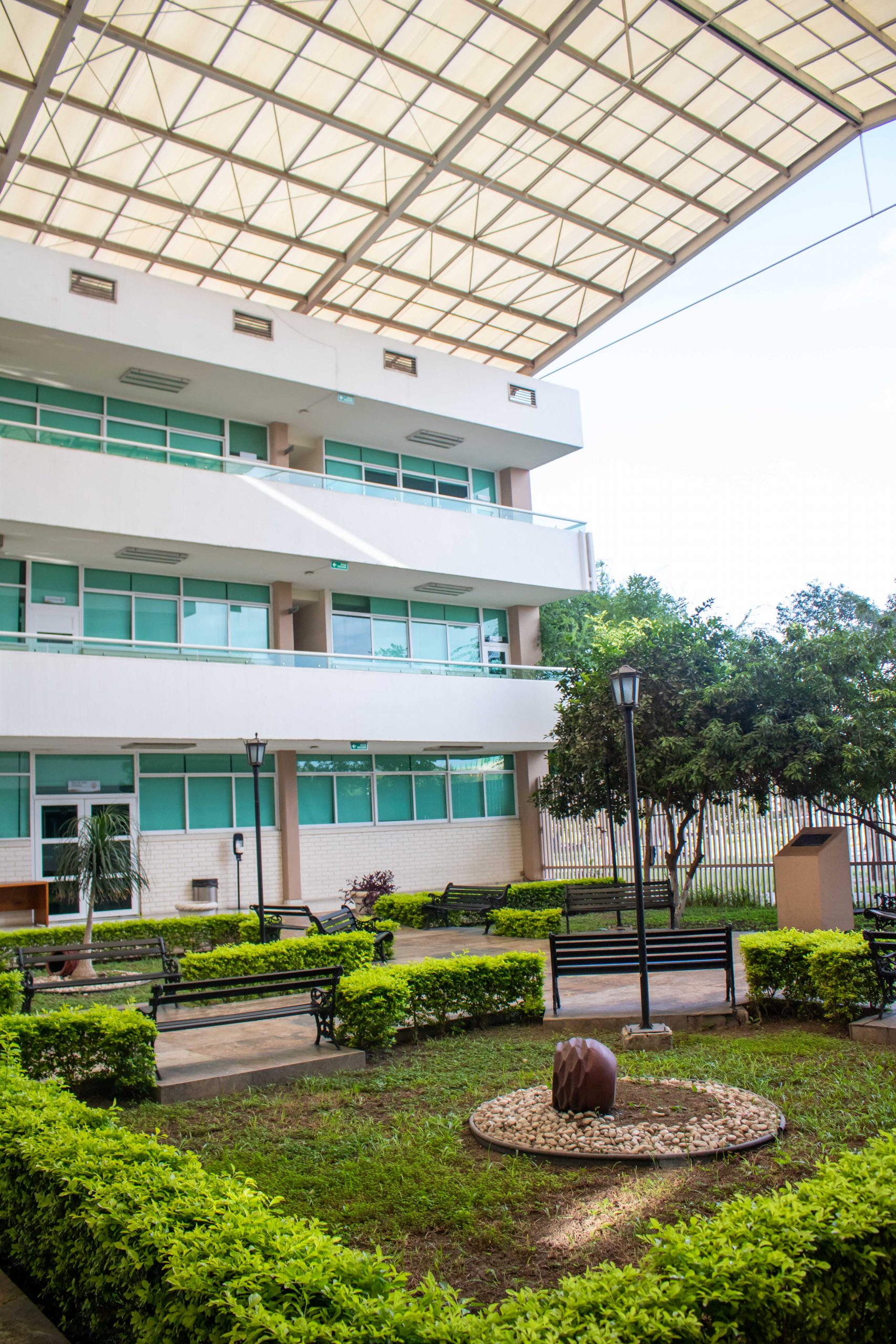
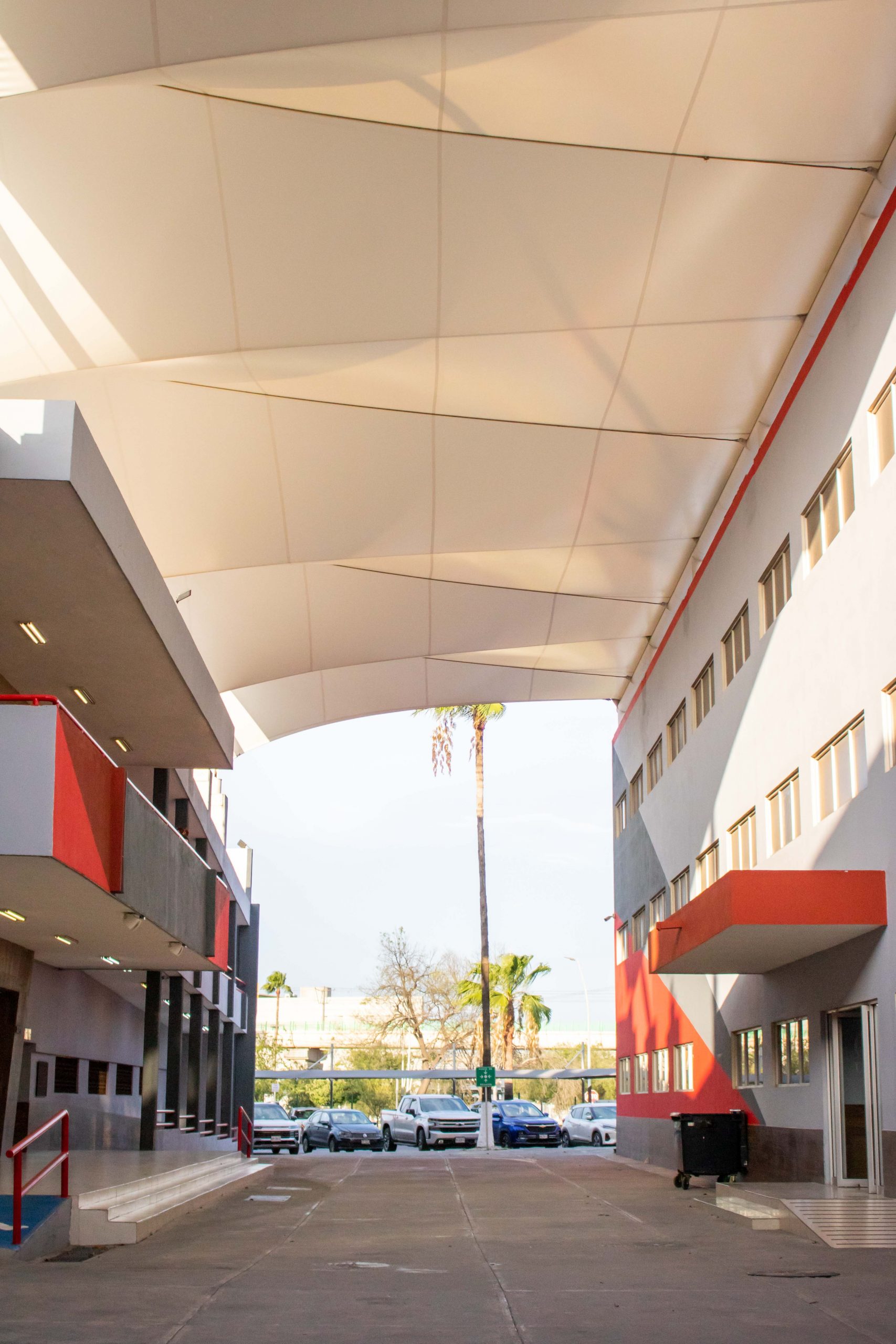
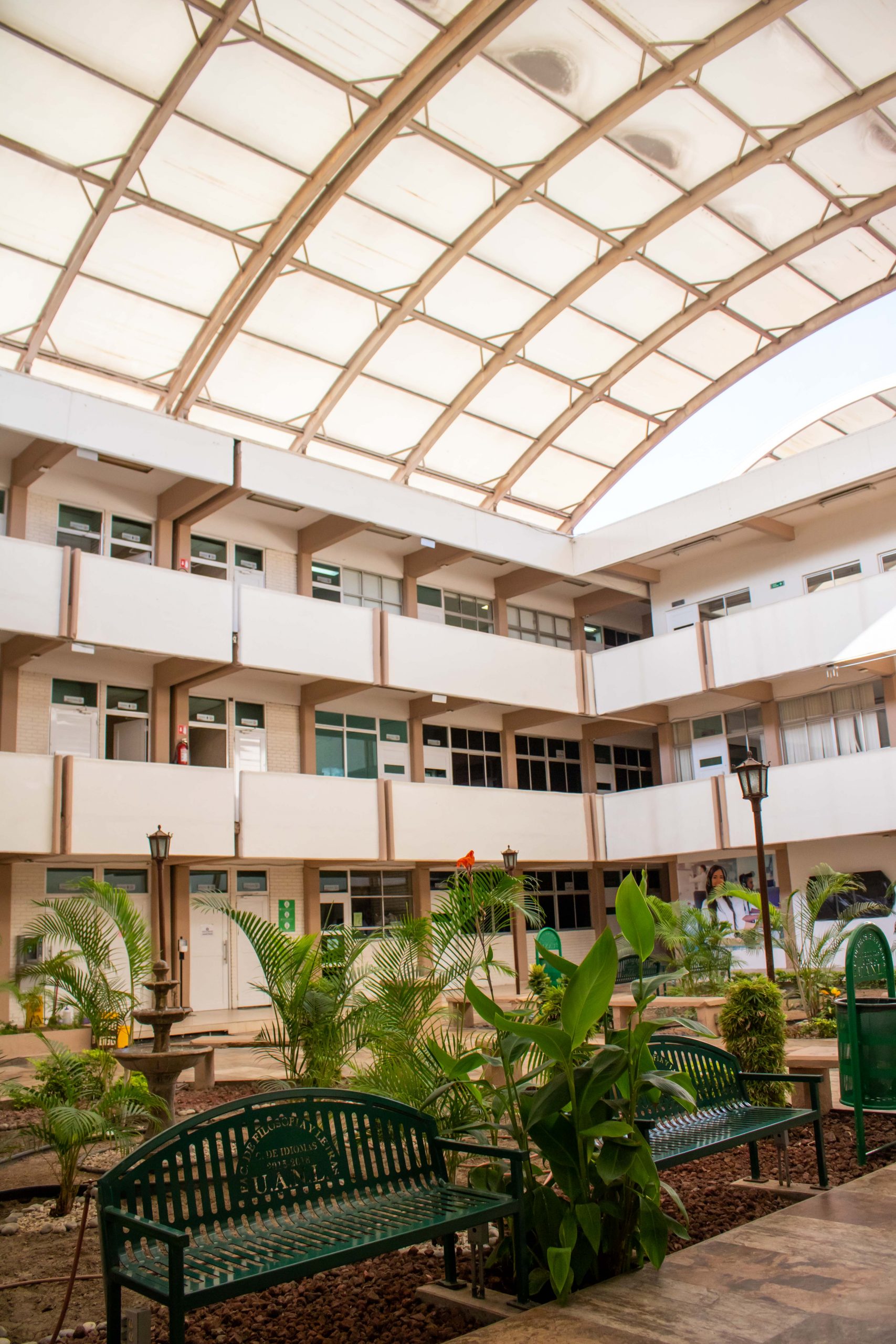
All university buildings have high energy and water efficiency equipment, which has made it possible to reduce energy and water consumption, as well as decrease greenhouse gas (GHG) emissions.
 English
  Spanish