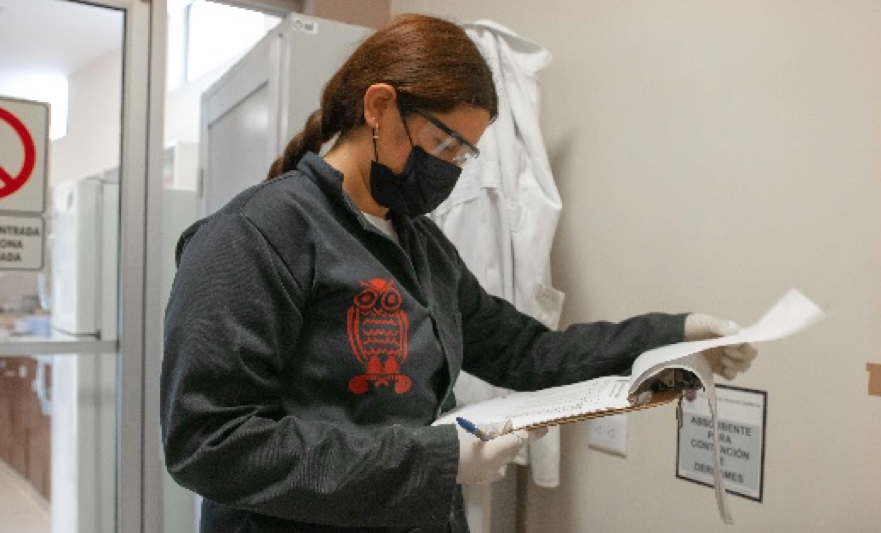
All UANL departments have a procedures manual designed to standardize the management and final disposal of hazardous waste. This document serves as a regulatory and operational tool for the proper classification of waste according to incompatibility criteria, thereby facilitating its safe handling, temporary storage, and subsequent management. In 2025, a total of 241.32 tons (t) of hazardous waste was generated,of which 70% consisted of Infectious Biological Hazardous Waste (RPBI, for its acronym in Spanish) and the remaining 30% of hazardous waste of chemical origin. The comprehensive management of this waste was carried out in accordance with the applicable regulatory framework, and the waste was managed in compliance with current legal requirements.
Biologically Infectious Hazardous Waste (RPBIs for its acronym in Spanish)
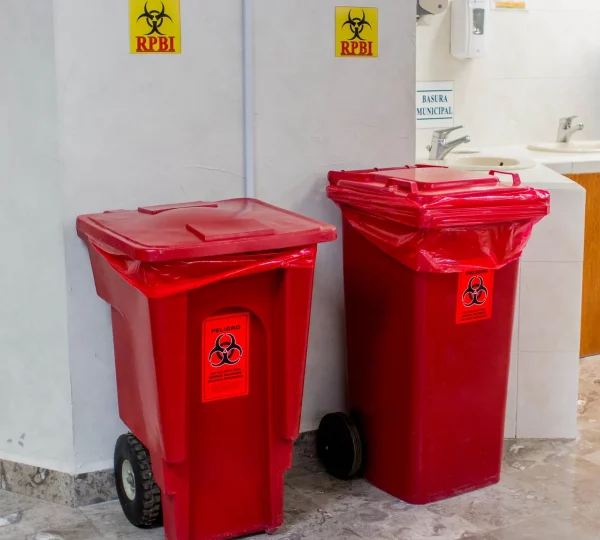
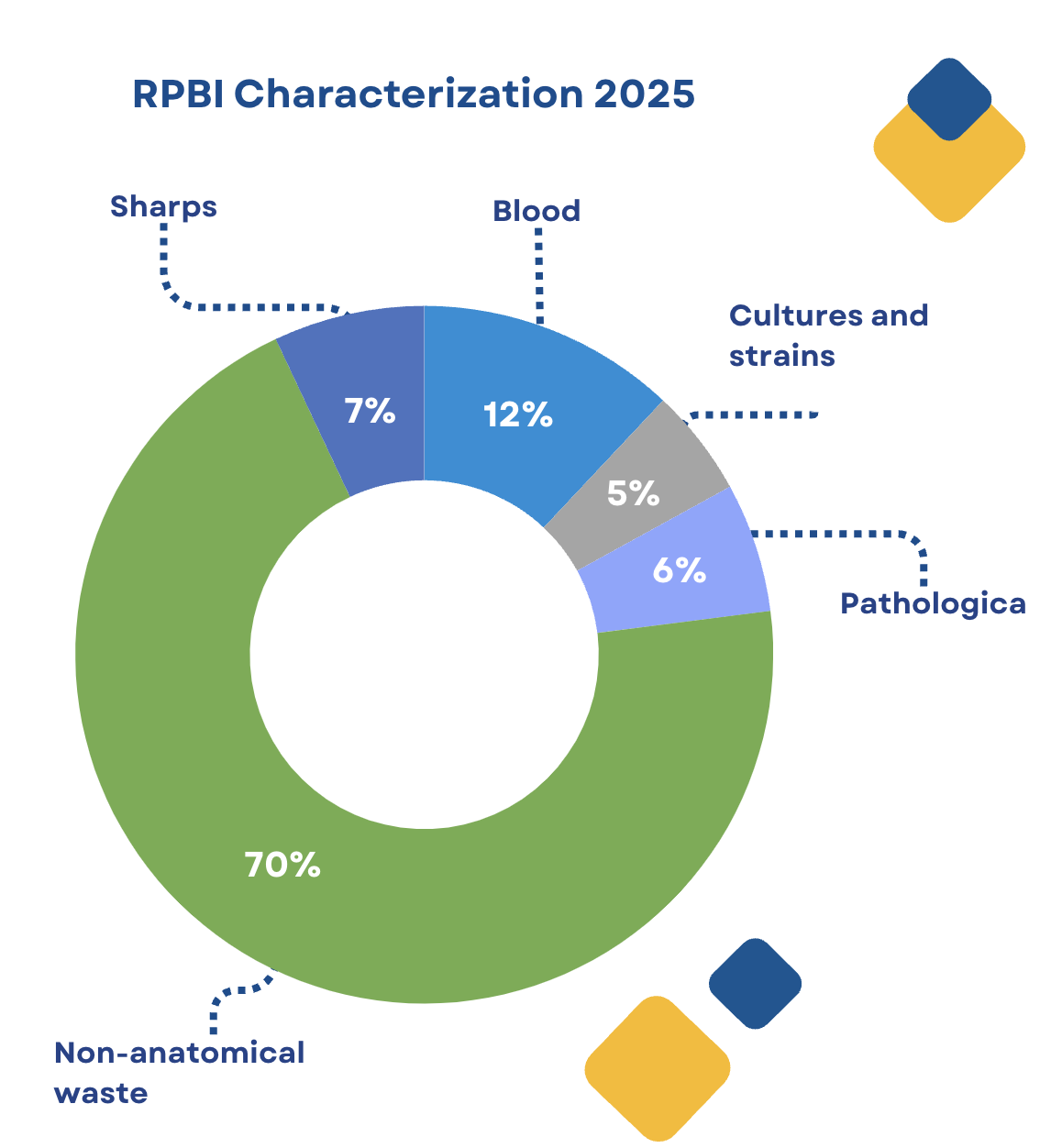
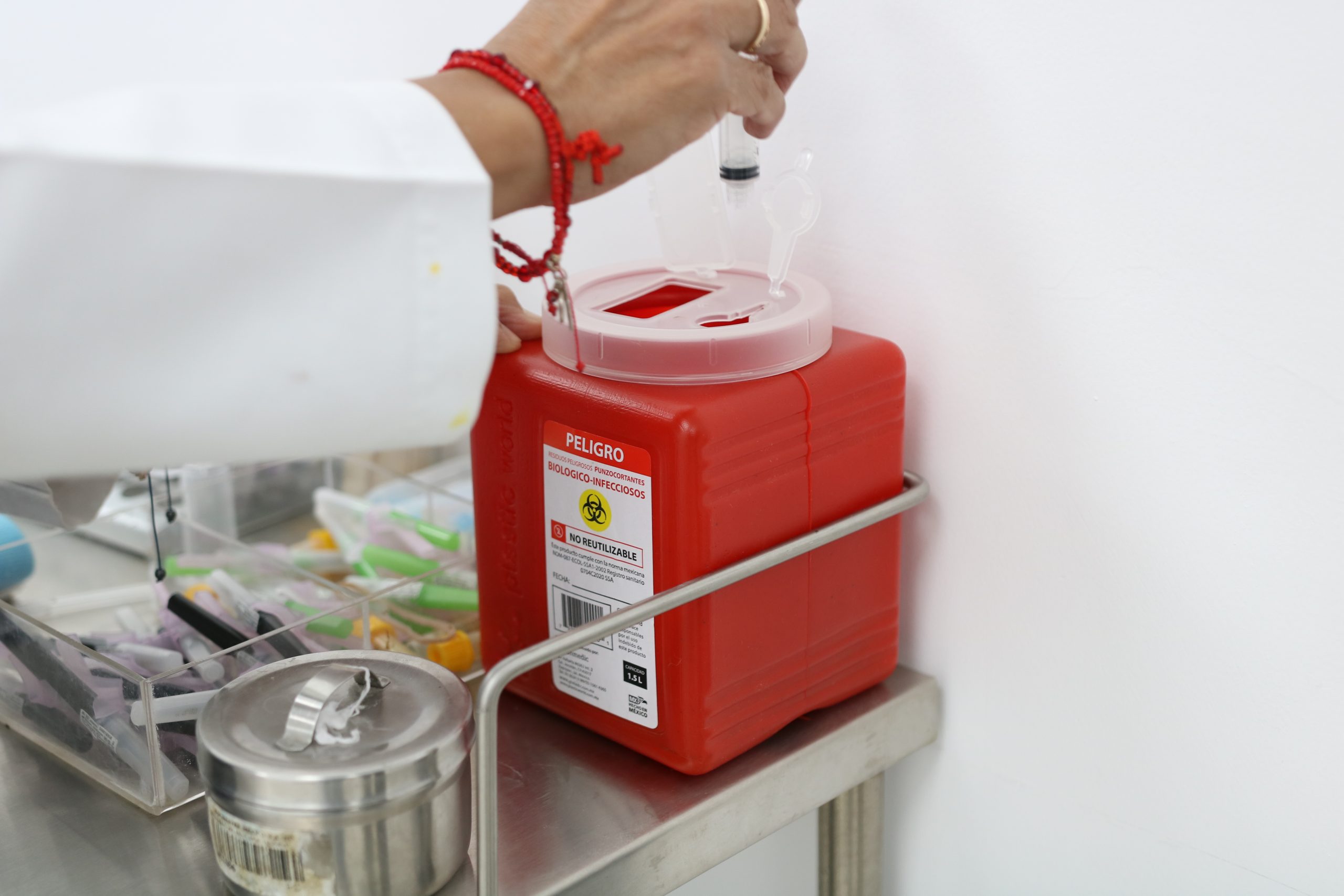
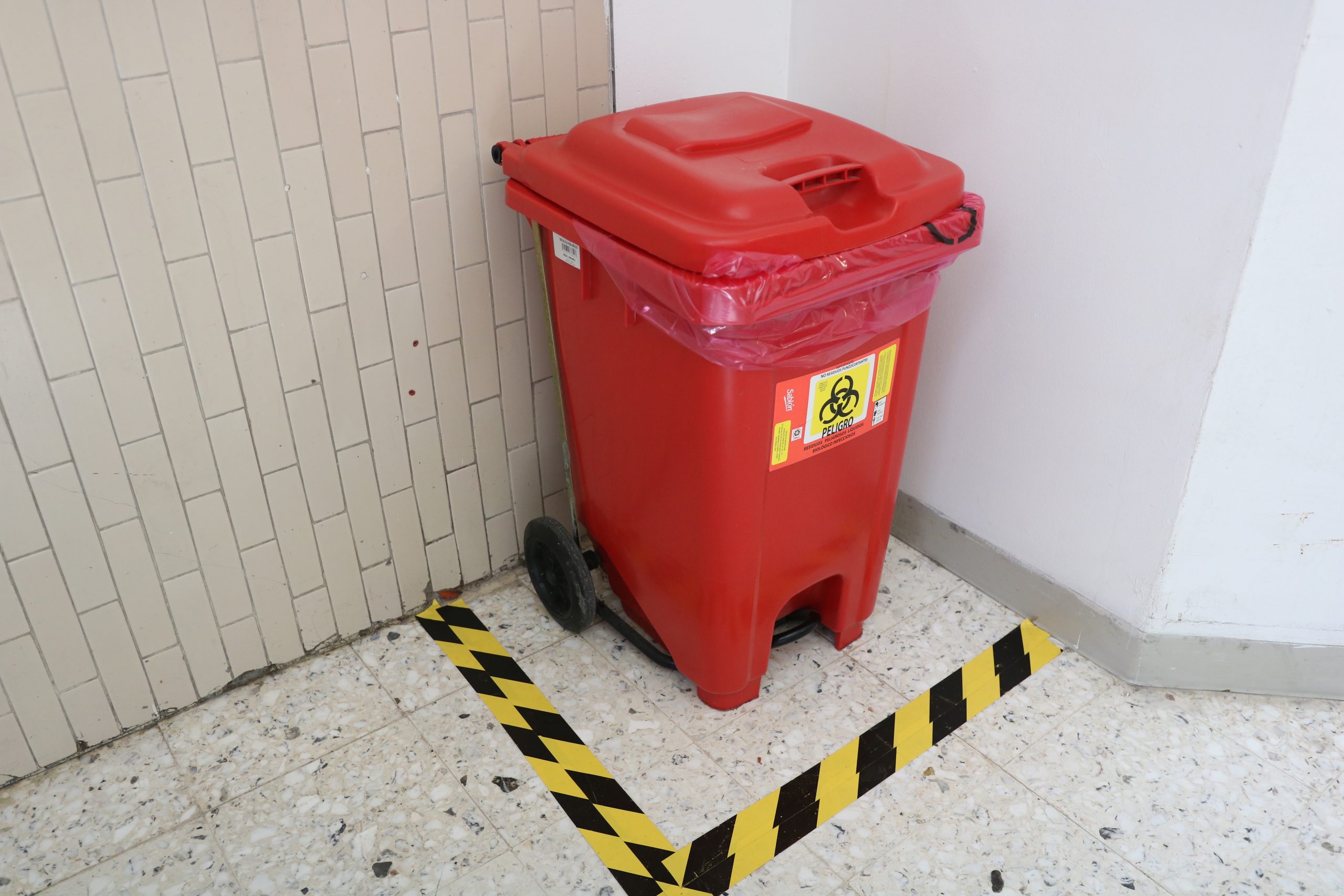
In accordance with the provisions of NOM-087-SEMARNAT-SSA1-2002, Biologically Infectious Hazardous Waste (RPBI, for its acronym in Spanish) is defined as materials generated during the provision of healthcare services that contain biologically infectious agents capable of causing harmful effects to human health and the environment. In 2025, a total of 169.75 tons of this type of waste was generated. The corresponding characterization is presented in the following graph:
In 2025, a total of 169.75 tons of hazardous waste was generated, and 100% was managed in accordance with the current legal framework
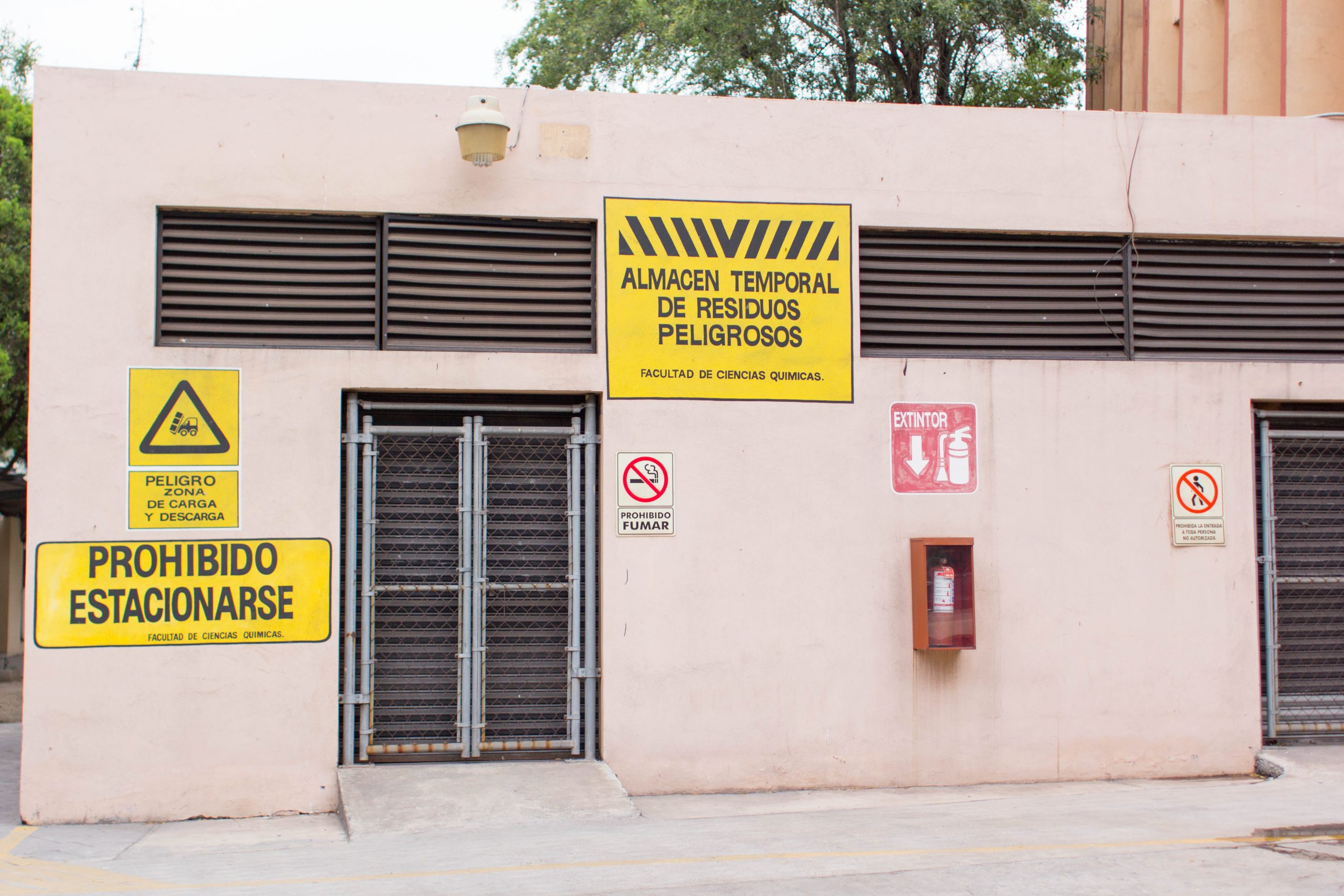
Hazardous waste of chemical origin
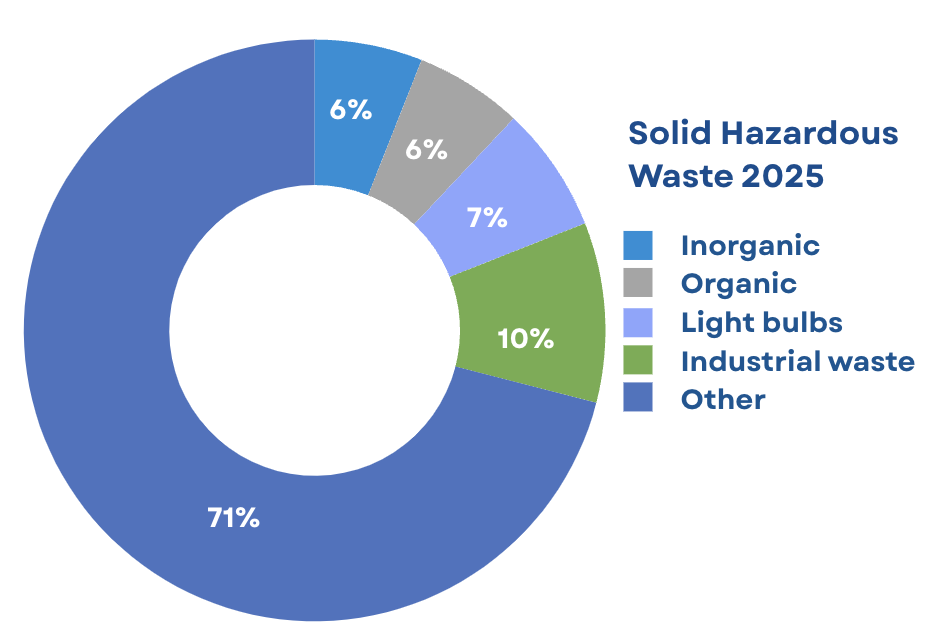
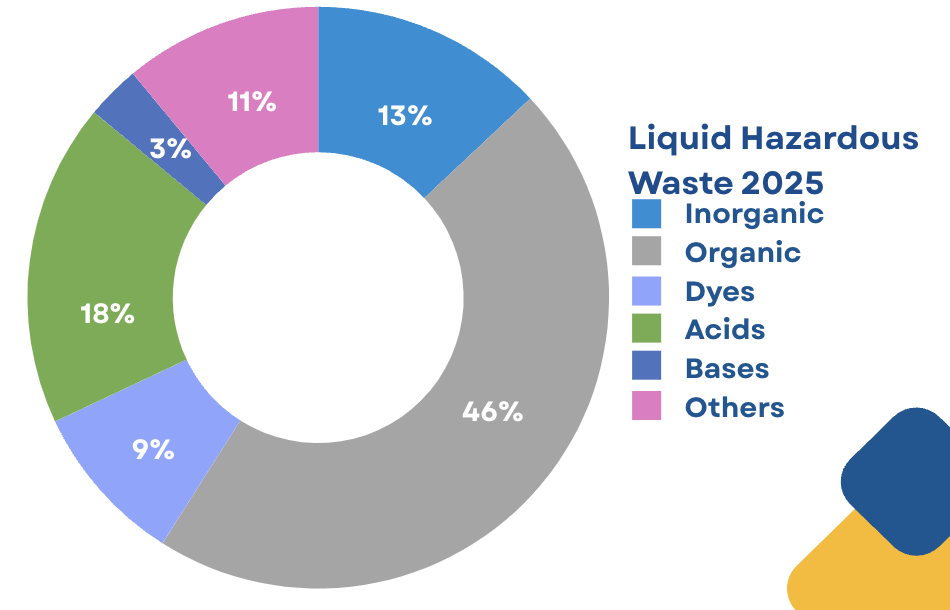
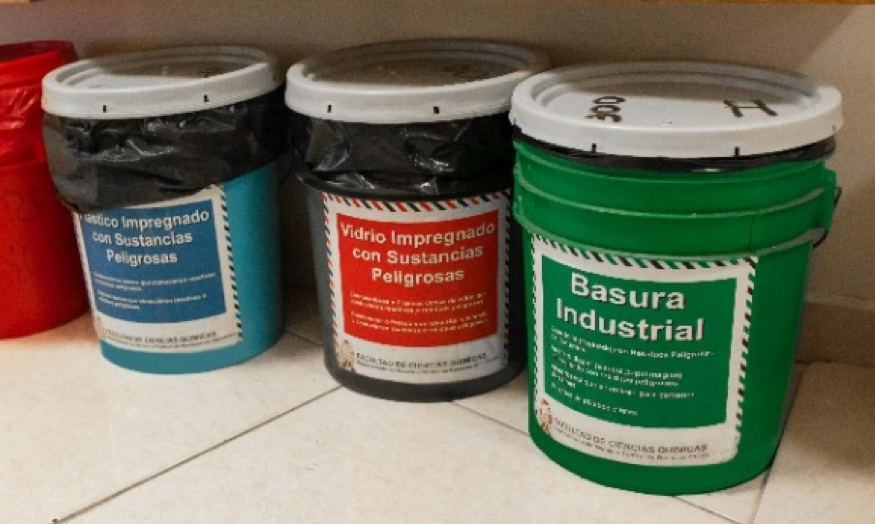
In 2025, 71.57 tons of hazardous chemical waste were generated, of which 34.46 tons were solid waste and 37.11 tons were liquid waste.
Expired medications
An example of hazardous chemical waste is medication that has reached its expiration date. To ensure proper management, the UANL operates 5 collection centers dedicated to collecting this type of waste, located at the University Pharmacy of the School of Chemical Sciences, the Technical Medical High School, UANL Medical Services (Gonzalitos Unit), the School of Nursing, and the School of Veterinary Medicine and Zootechnology. At these collection points, expired medications are deposited by both the university community and the general public. In 2025, a total of 554.90 kg 554.90 kg of expired medications was collected at the aforementioned collection centers.
Once collected, the hazardous waste is delivered to companies authorized by the competent authorities, which treat or dispose of it in accordance with current environmental regulations.
In 2025,554.90 kg of expired medications were collected at the
UANL collection centers
Empty cartridge and toner collection program
Since May 2021, the UANL has participated in the HP Planet Partners program, through which used HP and Samsung ink and toner cartridges are collected and sent to a specialized recycling plant located in the United States, which operates under management systems certified in accordance with ISO 14001 and ISO 9001 standards. At this facility, the cartridges undergo a multi-phase recycling process that transforms them into reusable raw materials for the manufacture of new plastic and metal products, including new cartridges. Residual materials that cannot be recycled are disposed of or treated in an environmentally responsible manner through energy recovery processes. In 2025, a total of 3.19 tons of empty ink and toner cartridges were managed through this program.
In 2025,3.19 tons of toner cartridges were managed



 English
  Spanish