Sustainability Secretariat

UNIVERSIDAD AUTÓNOMA DE NUEVO LEÓN

SECRETARÍA DE SUSTENTABILIDAD 

Conferences on the recovery of natural environments in urban areas

Conferences on the recovery of natural environments in urban areas

The rapid and, in many cases, unplanned growth of cities is placing increasing pressure on the natural environments that still exist within and on the periphery of urban areas. These spaces comprise fragmented ecosystems, urban parks, biological corridors, bodies of water, and wetlands that perform essential ecological functions and provide significant social benefits. Among their main contributions are improved air quality, climate regulation, aquifer infiltration and recharge, reduced risk of floods and droughts, biodiversity conservation, and the provision of areas conducive to the physical and mental health of the population.

Urban sprawl frequently transforms these ecosystems into isolated units surrounded by infrastructure. This fragmentation process reduces ecological connectivity, limits species movement, decreases gene flow between populations, and weakens the resilience of natural systems to diseases, invasive alien species, and extreme weather events.

In response to this problem, the Autonomous University of Nuevo León (UANL), through Since 2016, the Project Development Directorate of the Secretariat of Sustainability has been promoting the Urban Natural Environment Recovery Program. This initiative aims to rehabilitate public spaces with ecological value, improve urban environmental quality, and promote safe areas for community interaction, environmental education, and recreation.
0
days of natural environment restoration
0
natural environments
0
municipalities

More of

0
participants

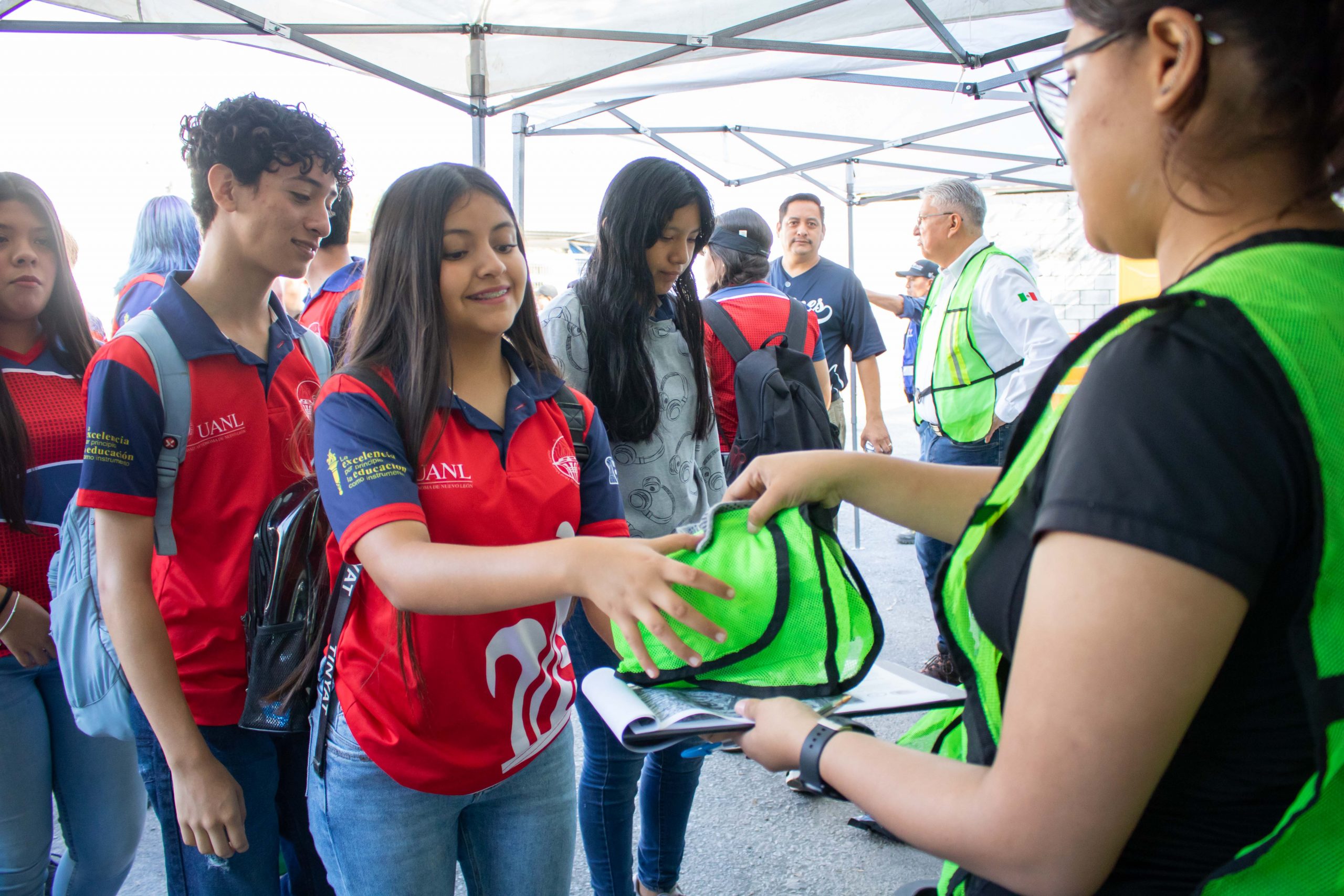
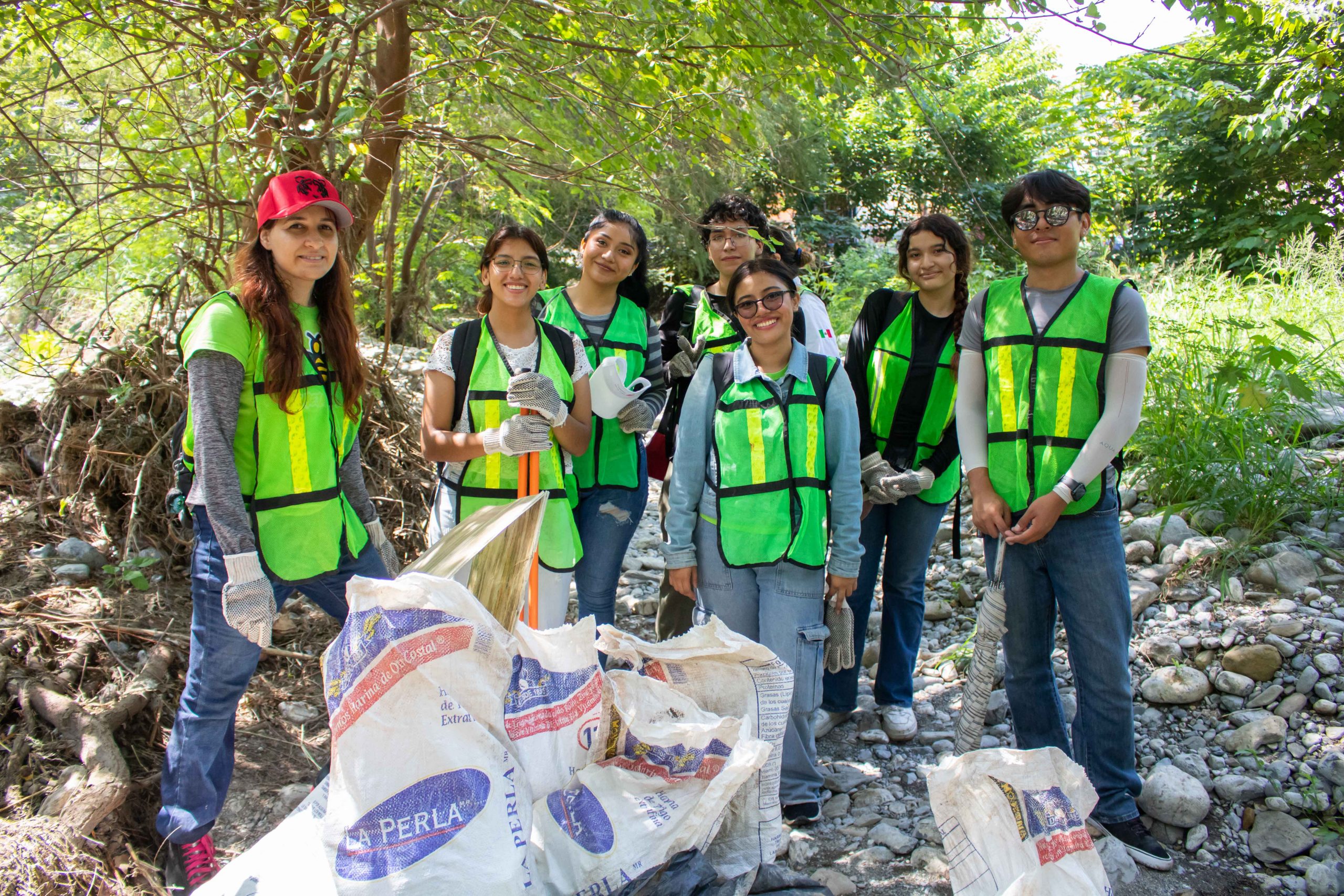
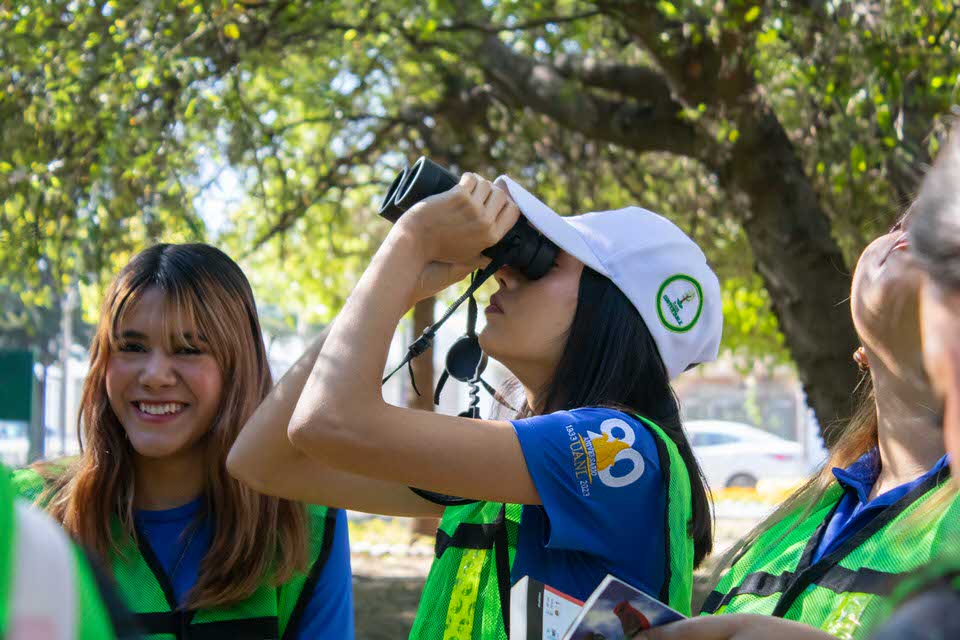
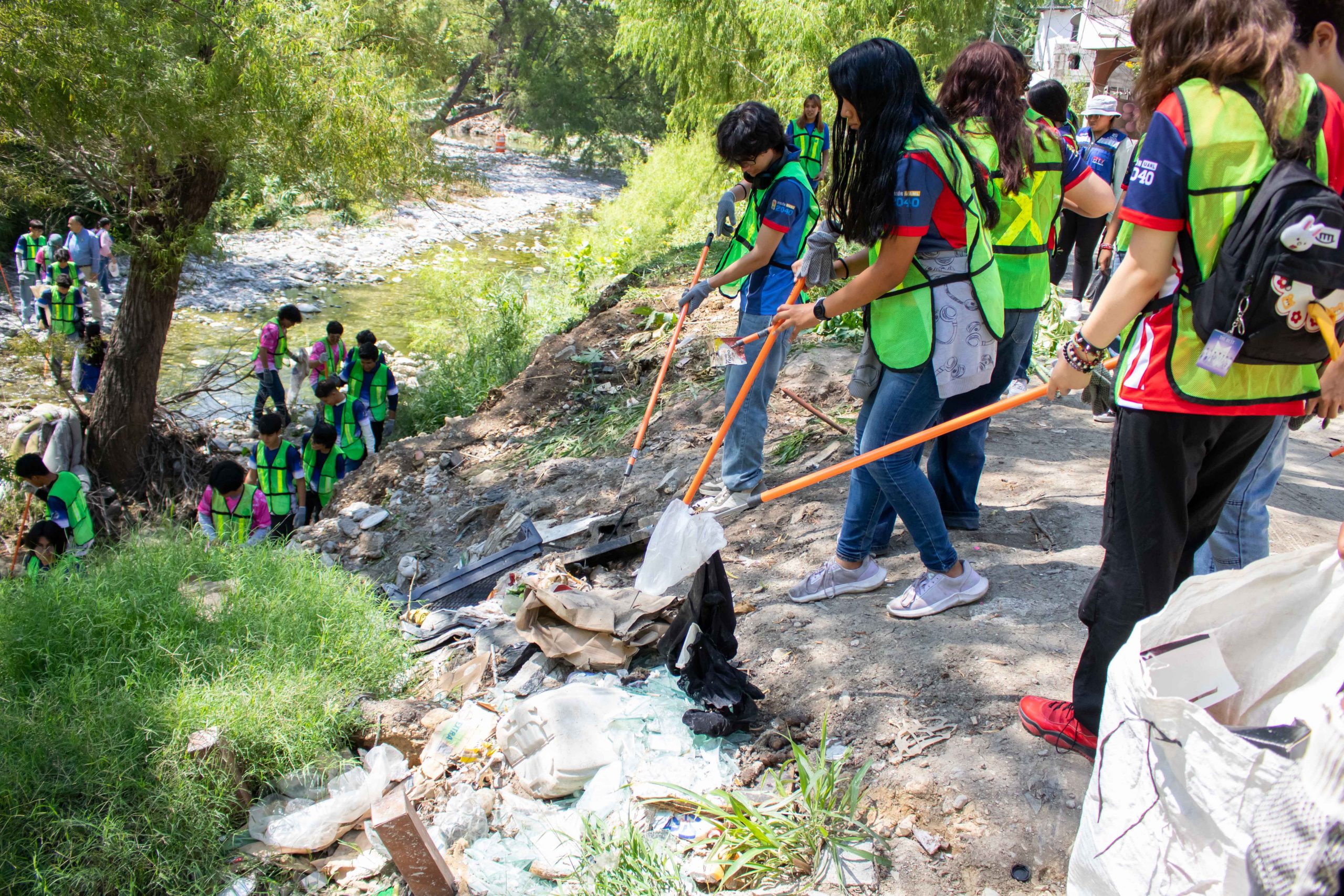
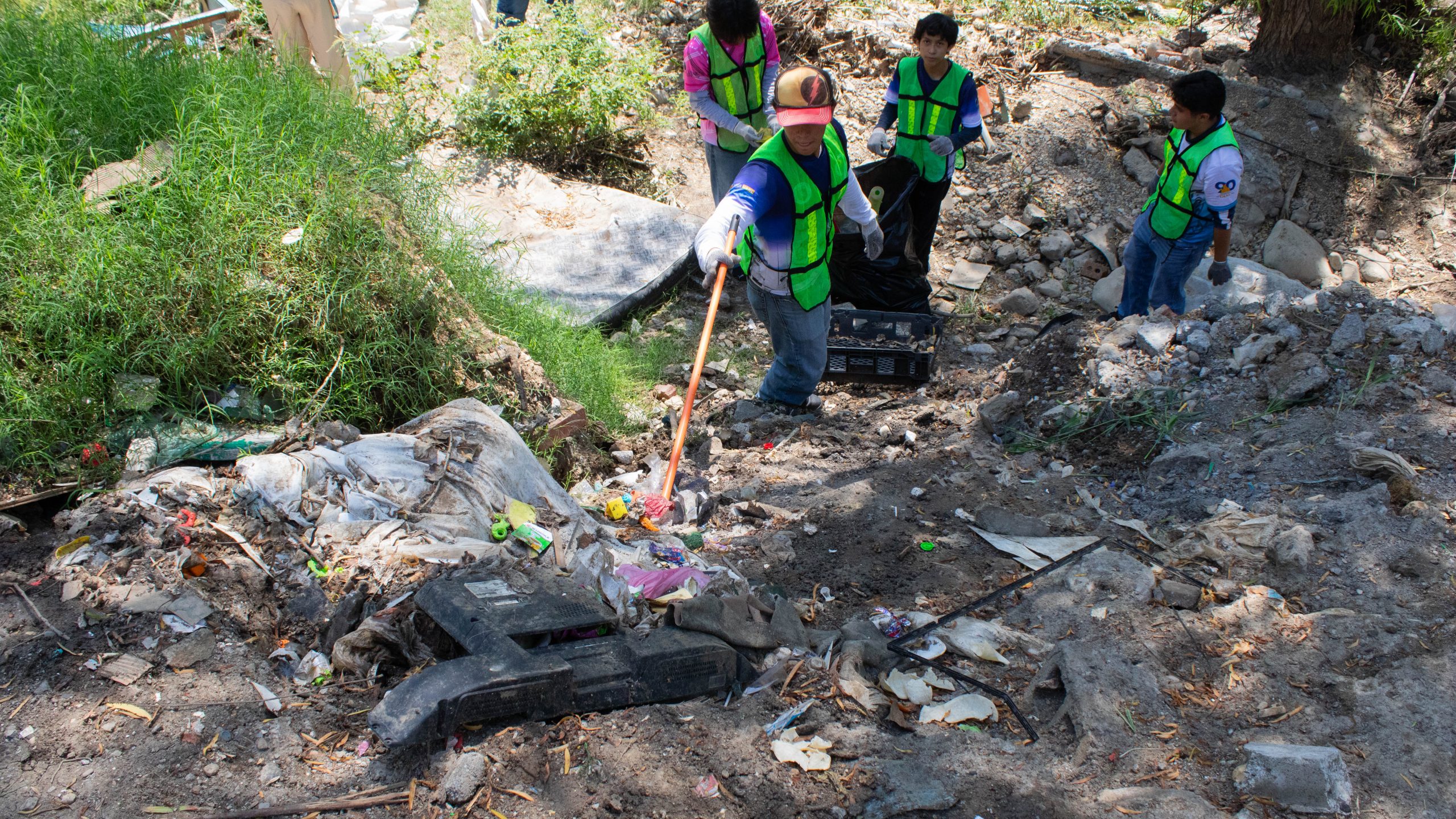
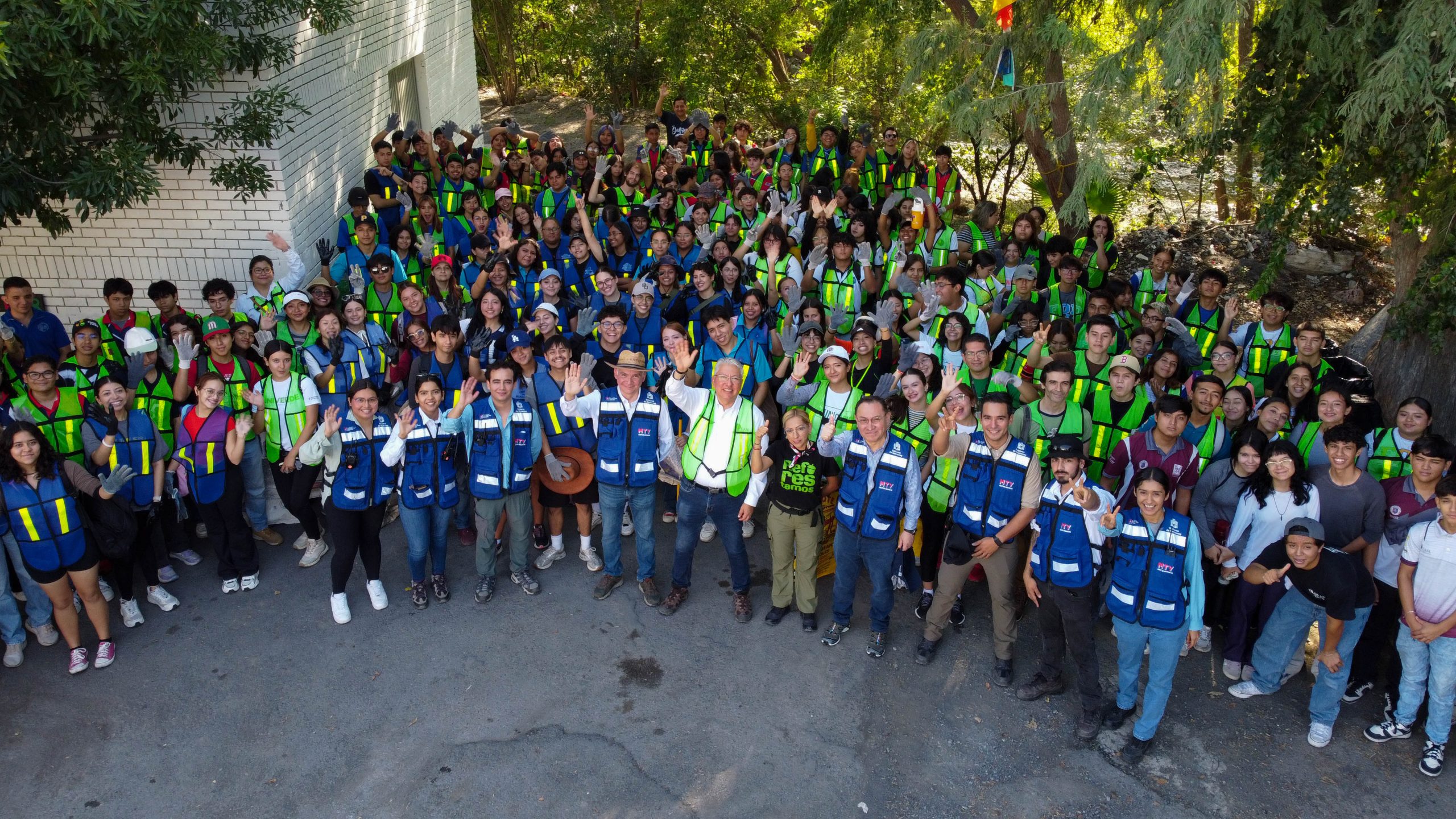
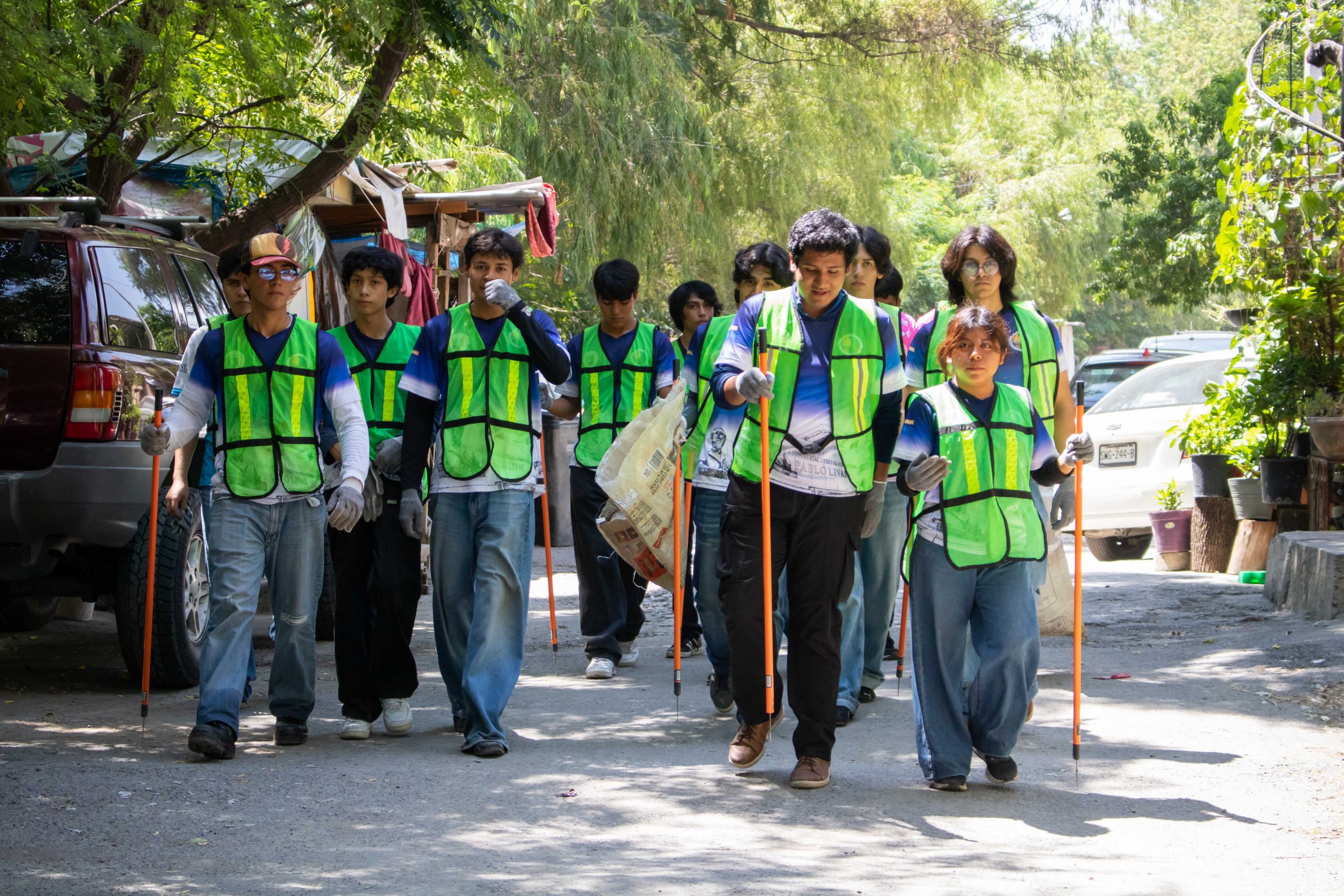
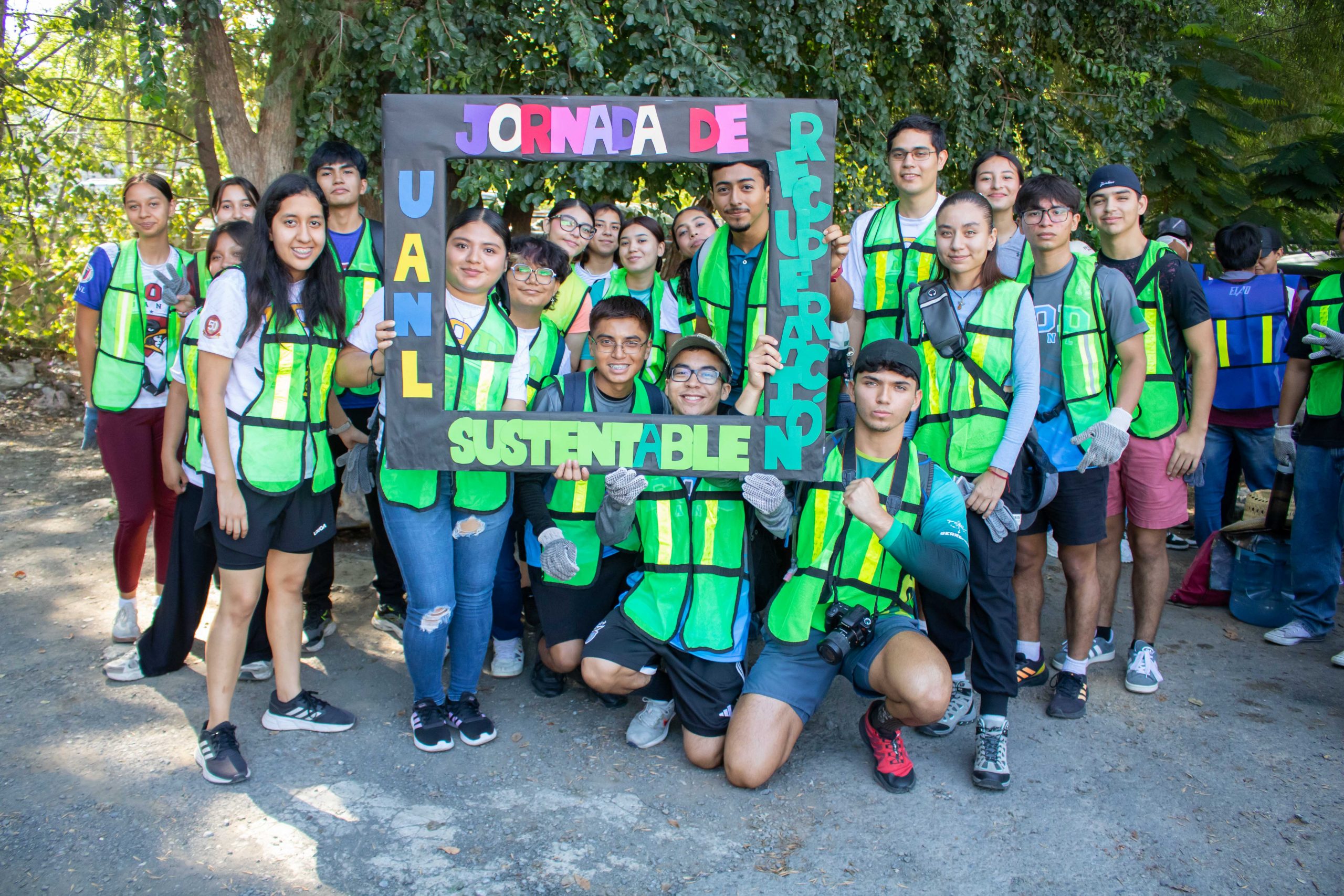
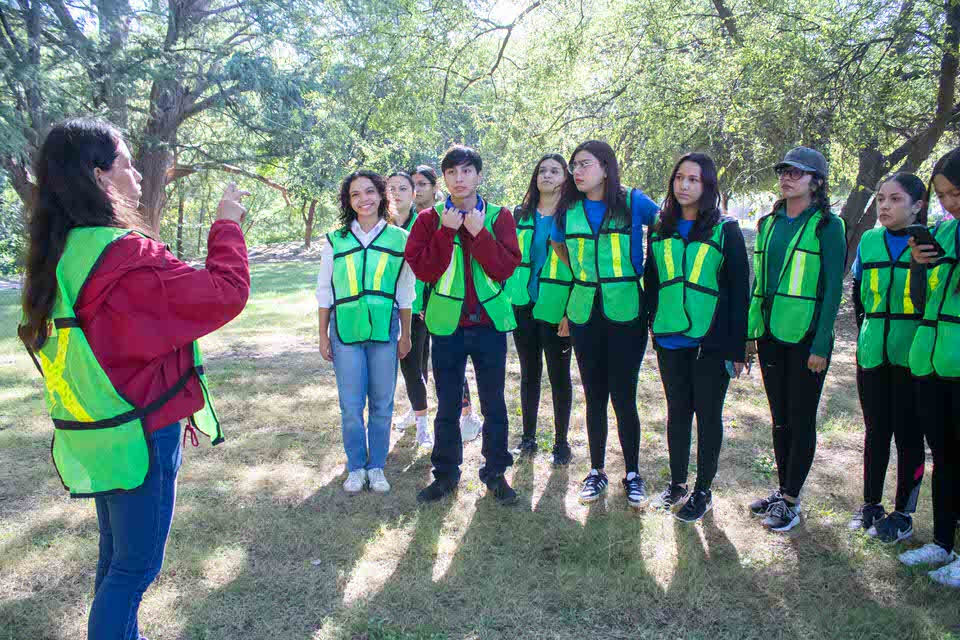
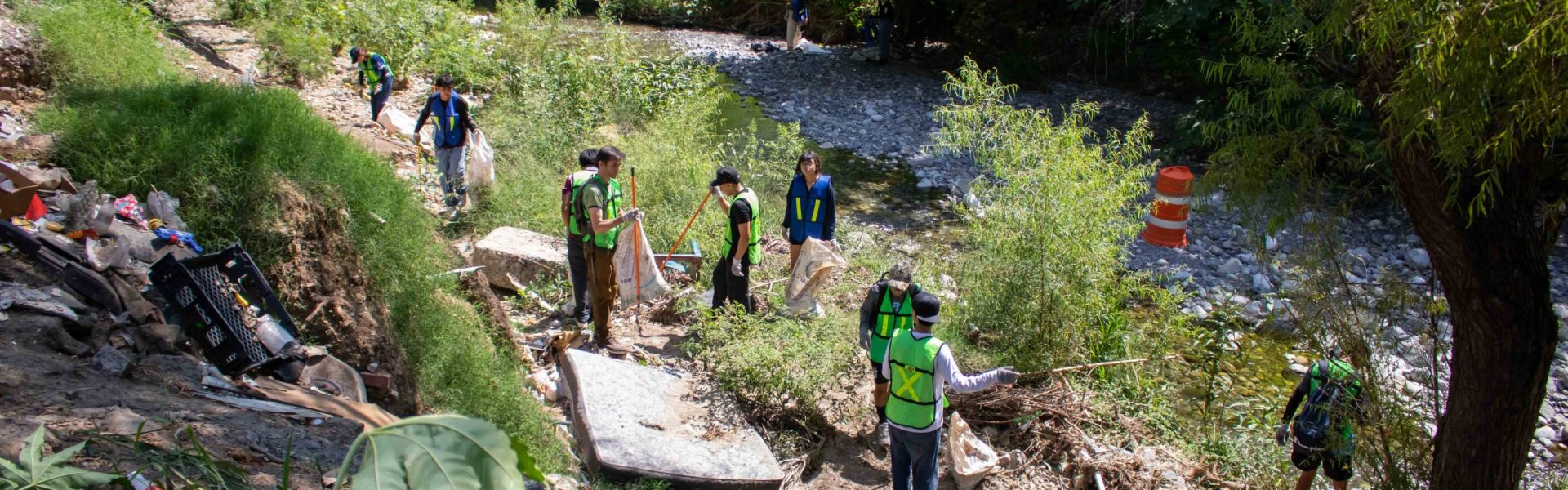
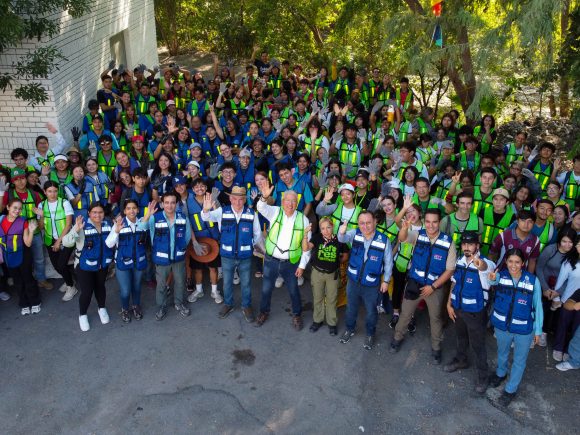
Between 2016 and 2025, 36 clean-up days were held in nine natural environments located in six municipalities within the Monterrey Metropolitan Area, with the participation of 8,250 volunteers from the university community, public institutions, the private sector, civil society organizations, and the general public. These actions have become a local and regional benchmark for urban ecological restoration.

The main activities carried out include:

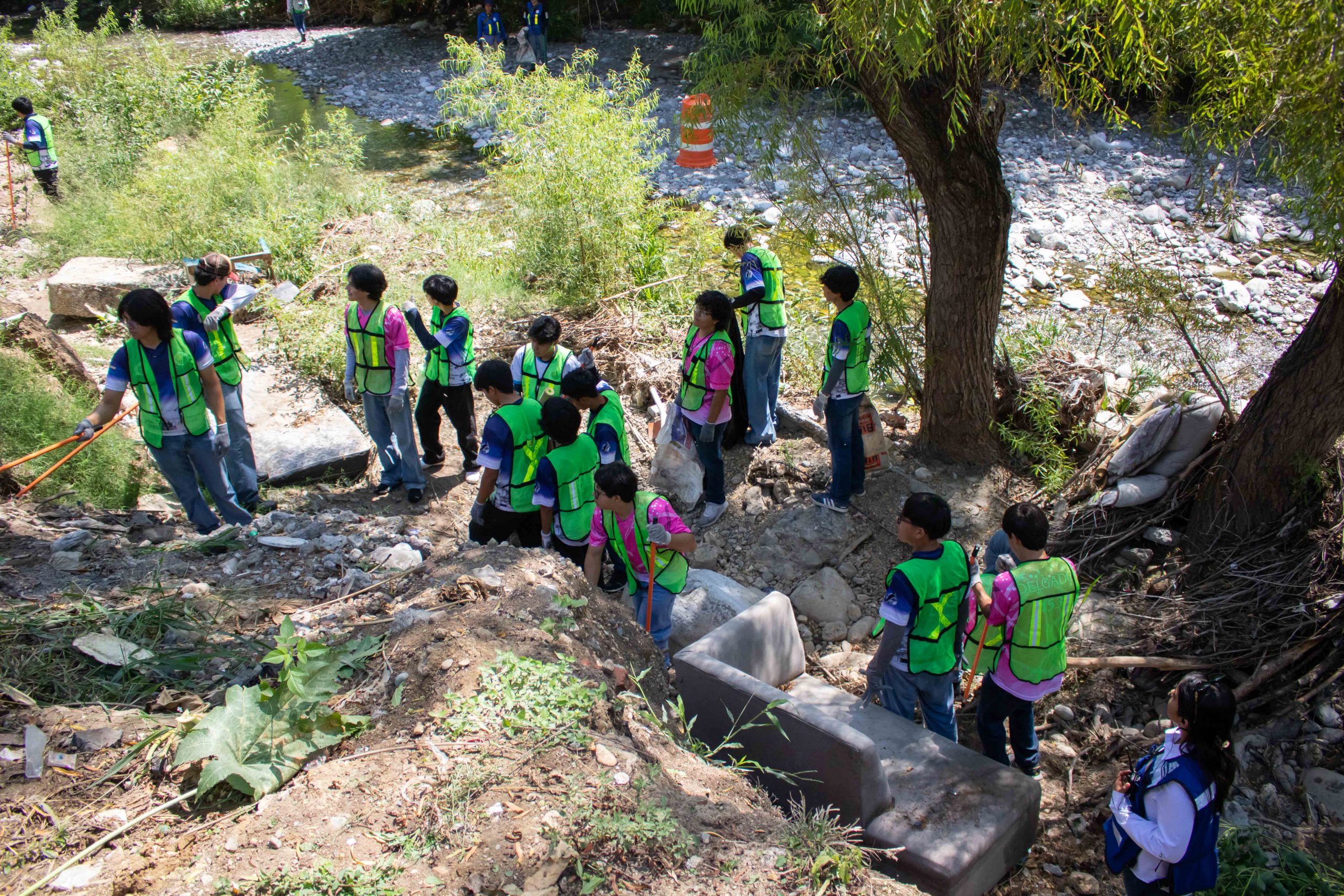
  • Removal of improperly disposed urban solid waste.
  • Control and eradication of invasive exotic species that affect native biodiversity.
  • Reforestation with native plant species adapted to local ecological conditions.
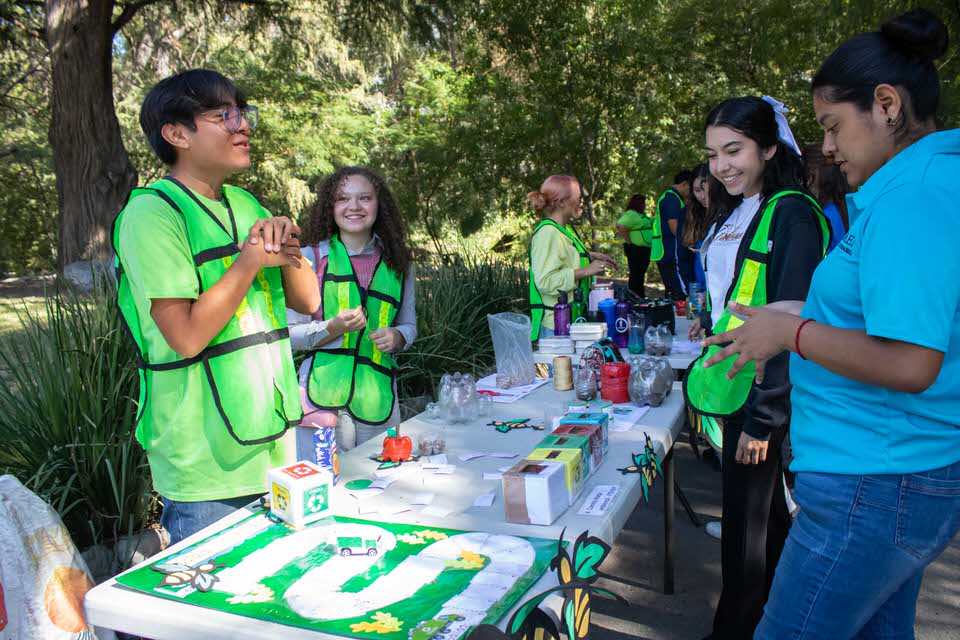
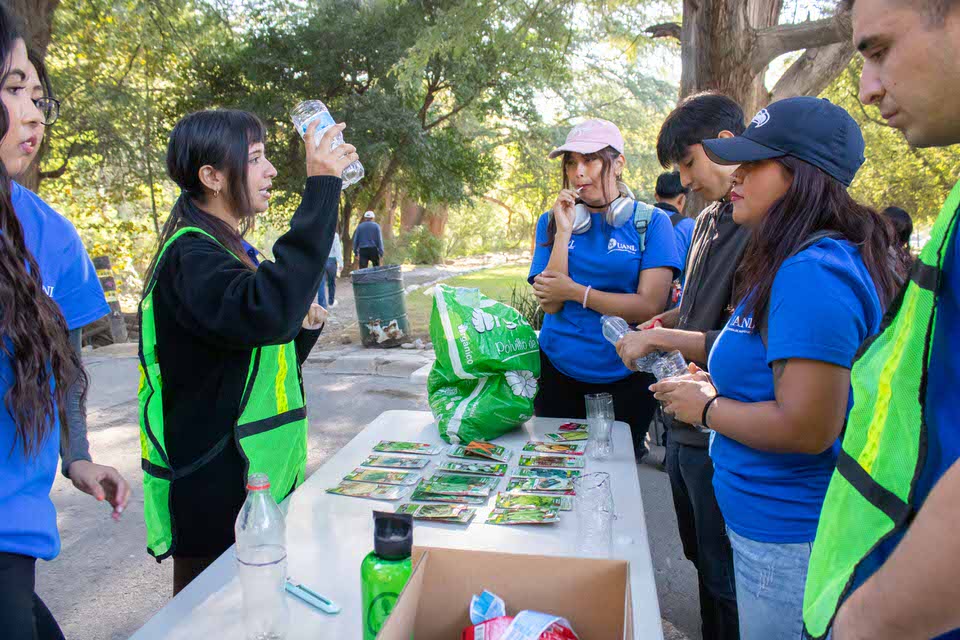
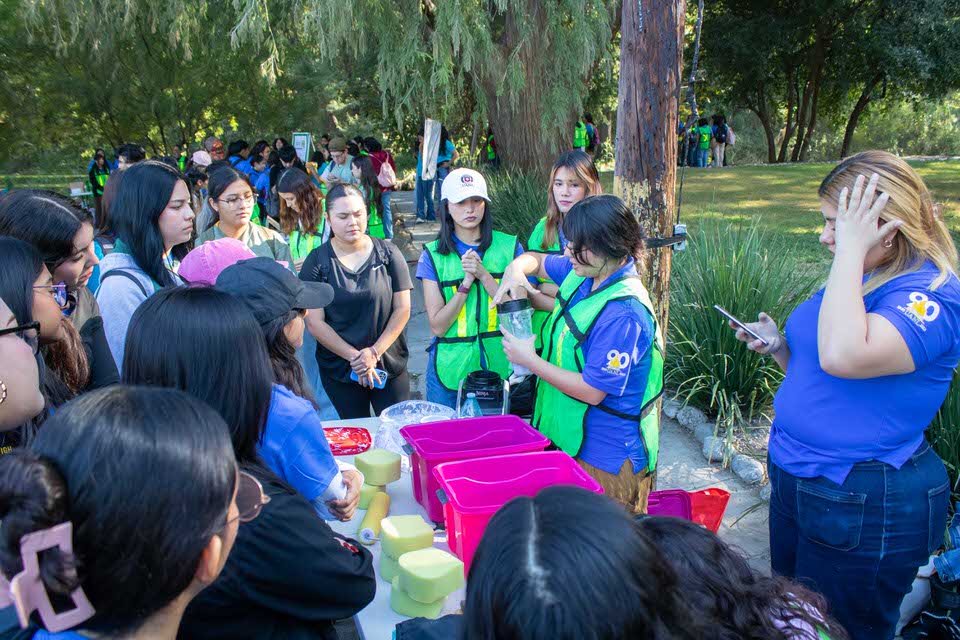
  • Training workshops on native flora, urban restoration techniques, pollinator gardens and integrated waste management.

The workshops serve as interdisciplinary spaces for applied learning, where participants from diverse academic, technical, and social fields integrate knowledge and experience to address common environmental problems. This collaborative approach strengthens social co-responsibility, increases environmental awareness, and promotes a sustainable vision in the relationship between the population and its environment.

A key component of this strategy is its replicability by educational institutions, government agencies, and civil society organizations, which has fostered its expansion as a best environmental practice in the state of Nuevo León. Furthermore, collective participation has contributed to the development of a culture of care, restoration, and social ownership of the territory.

Through these types of actions, UANL reaffirms its commitment to urban sustainability and university social responsibility. By combining institutional capacities, scientific knowledge, and community participation, the University actively contributes to building more resilient, inclusive, and ecologically functional cities. This model demonstrates the strategic role of higher education in transforming the urban environment through a sustainability approach.

en_USEnglish