Sustainability Secretariat

UNIVERSIDAD AUTÓNOMA DE NUEVO LEÓN

SECRETARÍA DE SUSTENTABILIDAD 

Efficient use of water

Efficient use of water

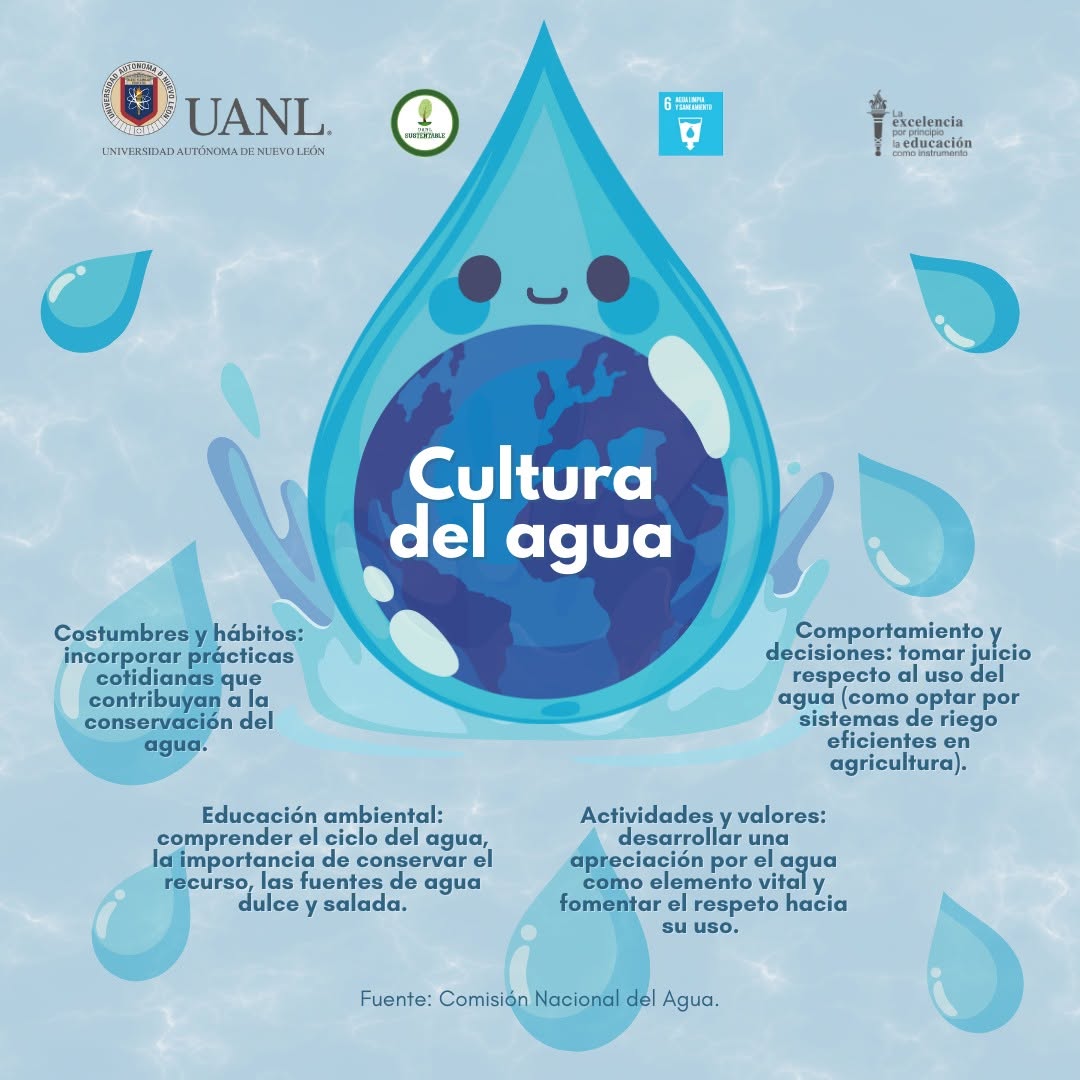
The northeastern region of Mexico frequently faces periods of water stress due to climate variability, high temperatures, irregular rainfall, and increased demand for this vital resource driven by urban and industrial growth. These conditions have highlighted the need to transition to a new water culture based on conservation, efficiency, reuse, and shared social responsibility.

In this context, the Autonomous University of Nuevo León (UANL) has been operating the Efficient Water Use Program for over 16 years without interruption. This program has become an institutional strategy aimed at reducing consumption, preventing waste, and strengthening the sustainable management of water resources across all its campuses and academic departments. This ongoing effort reflects the university's commitment to sustainable development, resilience in the face of scarcity, and the well-being of the community.

IMG_1616

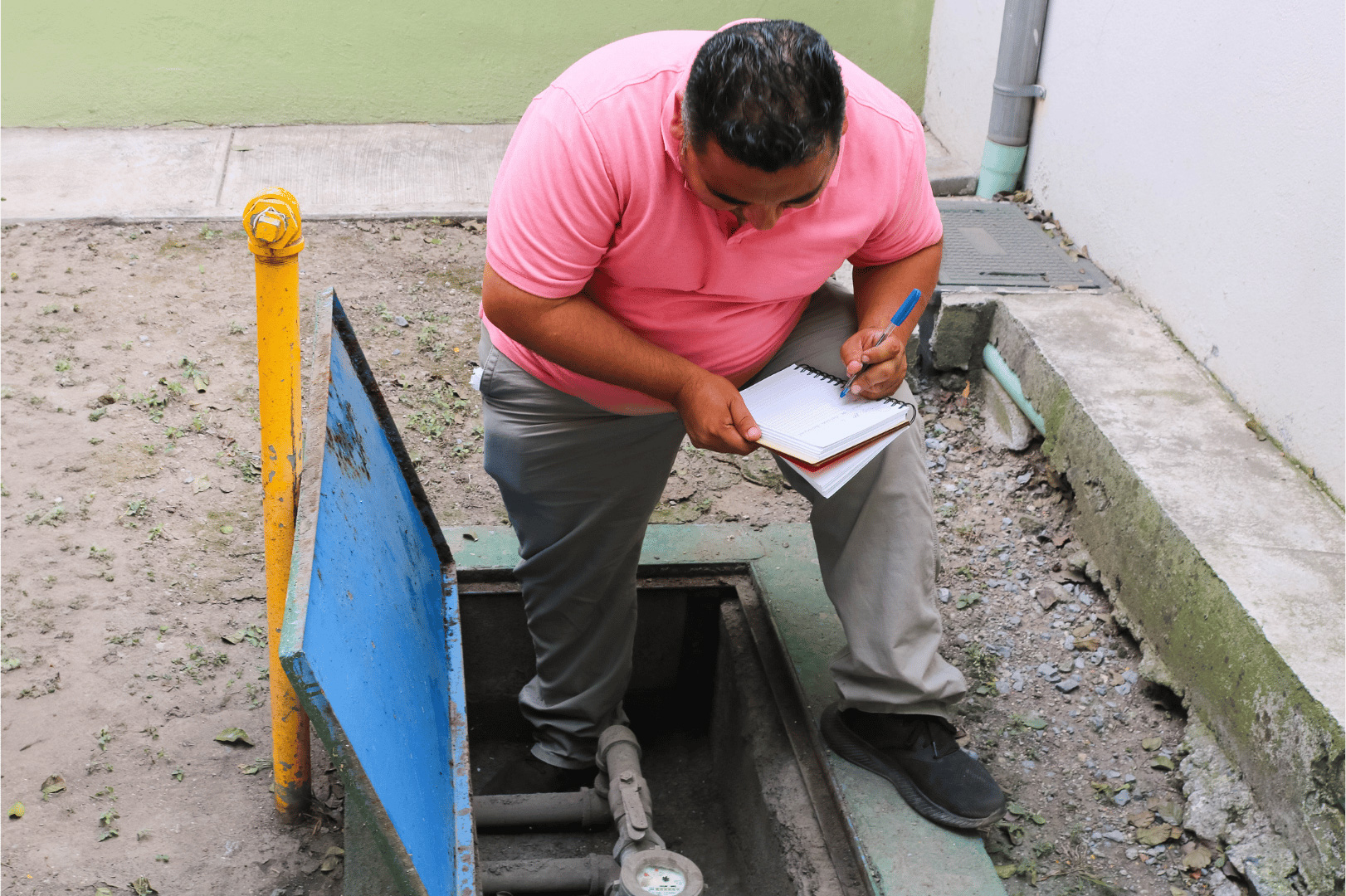
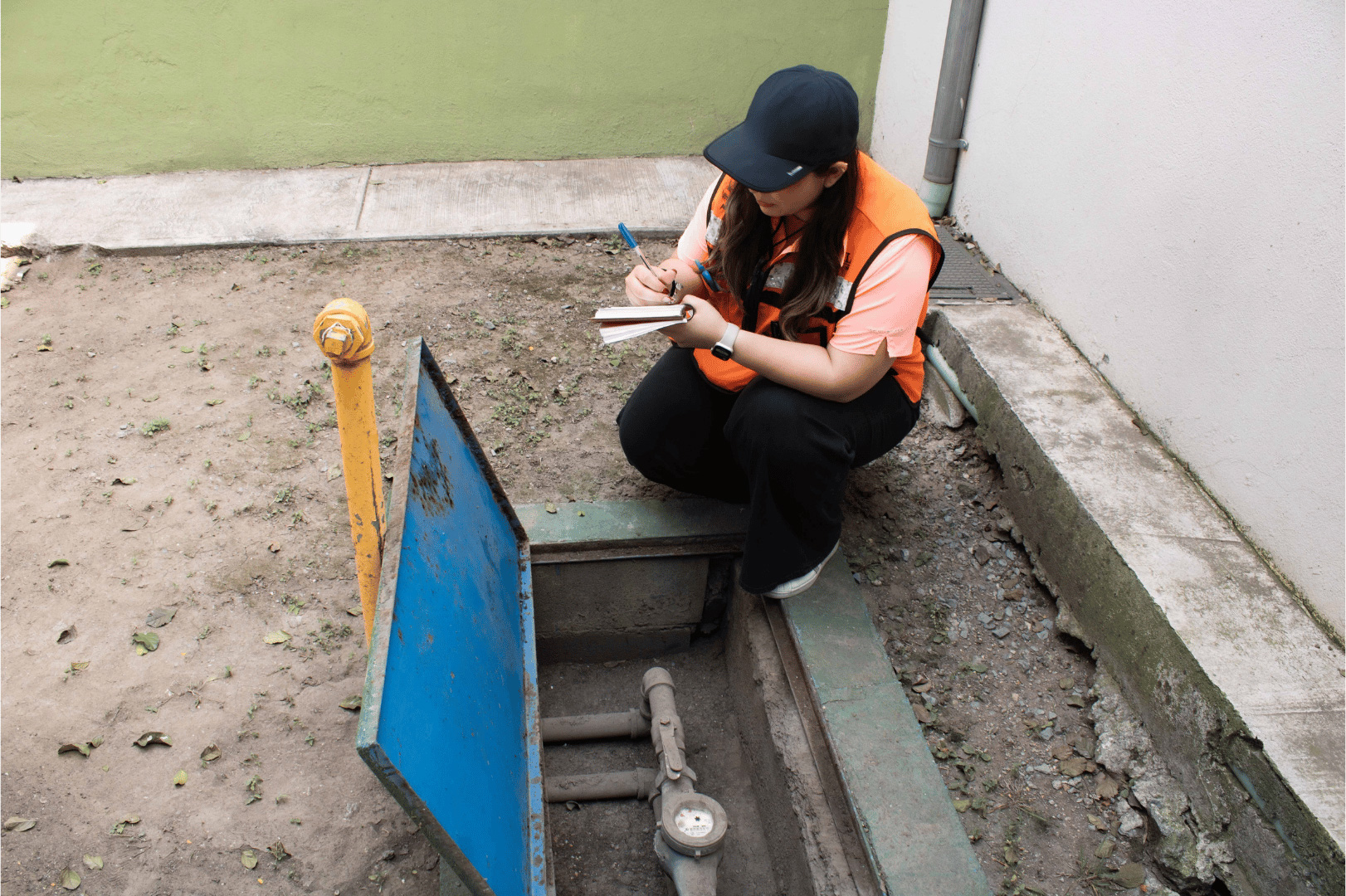
The program operates under a comprehensive approach that combines technological modernization, continuous monitoring, preventive maintenance, and environmental education. Key actions implemented include the installation of water-saving devices in toilets and sinks; the automation of plumbing systems; the sectorization of internal networks; and the timely detection of leaks through regular inspections and specialized technical follow-up.

In 2025, they captured 235 mil liters rainwater

Furthermore, the UANL has strengthened its use of alternative water sources to reduce the demand for potable water. Among these actions, the recovery of condensate from air conditioning equipment stands out, which is reused primarily for watering green areas and for maintenance work. Similarly, rainwater harvesting systems have been developed using roofs and impermeable surfaces connected to filtration and storage infrastructure for non-potable uses.

In 2025, through rainwater harvesting systems located in 10 academic units, a total of 435,000 liters of this vital liquid were collected, which were destined for non-potable uses, such as watering green areas, cleaning spaces and infrastructure maintenance.

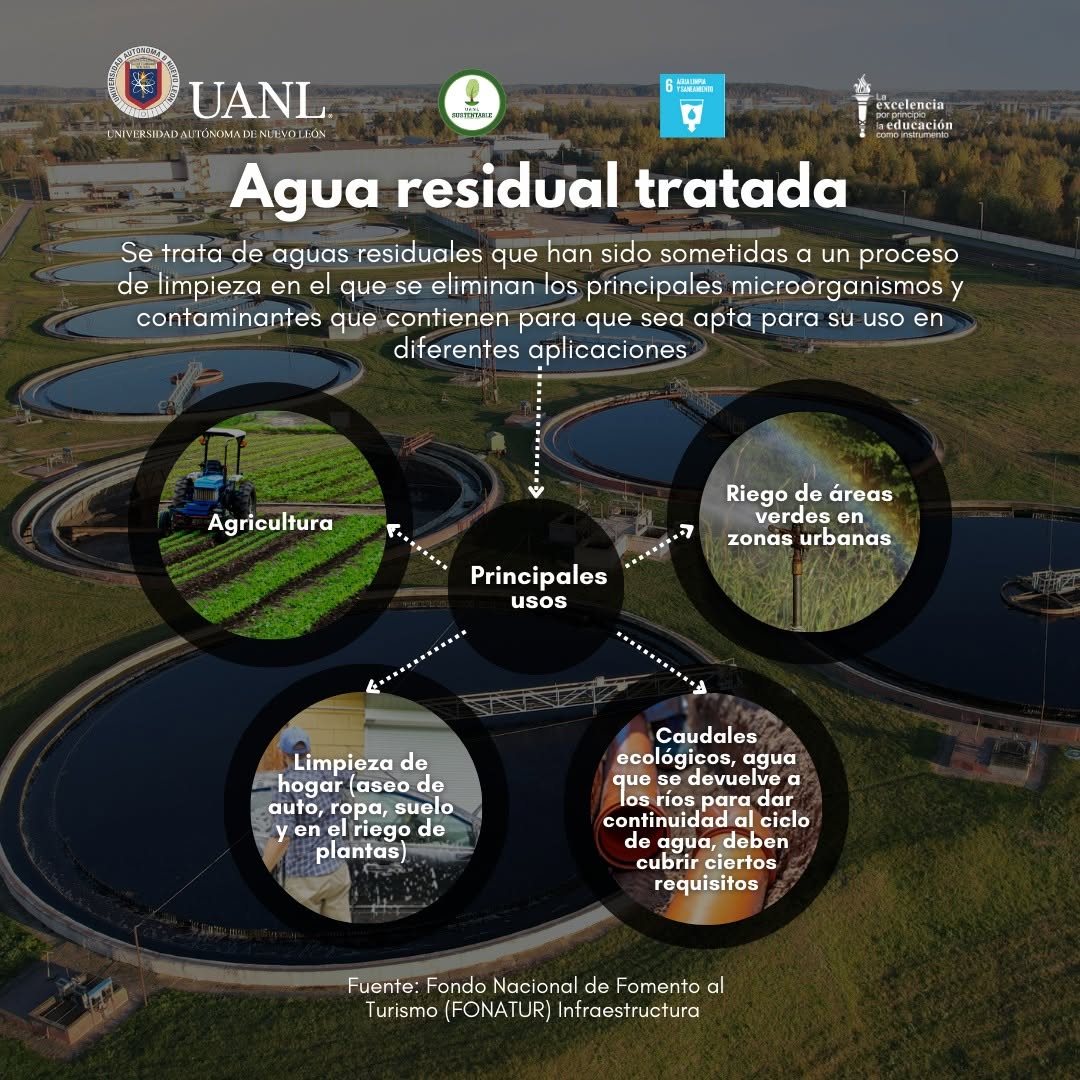
Another strategic component is the reuse of treated water for activities compatible with health and environmental criteria, which helps reduce pressure on conventional water sources. These measures optimize the available resource and strengthen institutional water security.

Through the Control Panel operated by the Secretariat of Sustainability, through the Directorate of Infrastructure for Sustainability, monthly monitoring of consumption is carried out, which facilitates decision-making based on updated and reliable information, the identification of anomalies and the continuous improvement of water performance indicators.
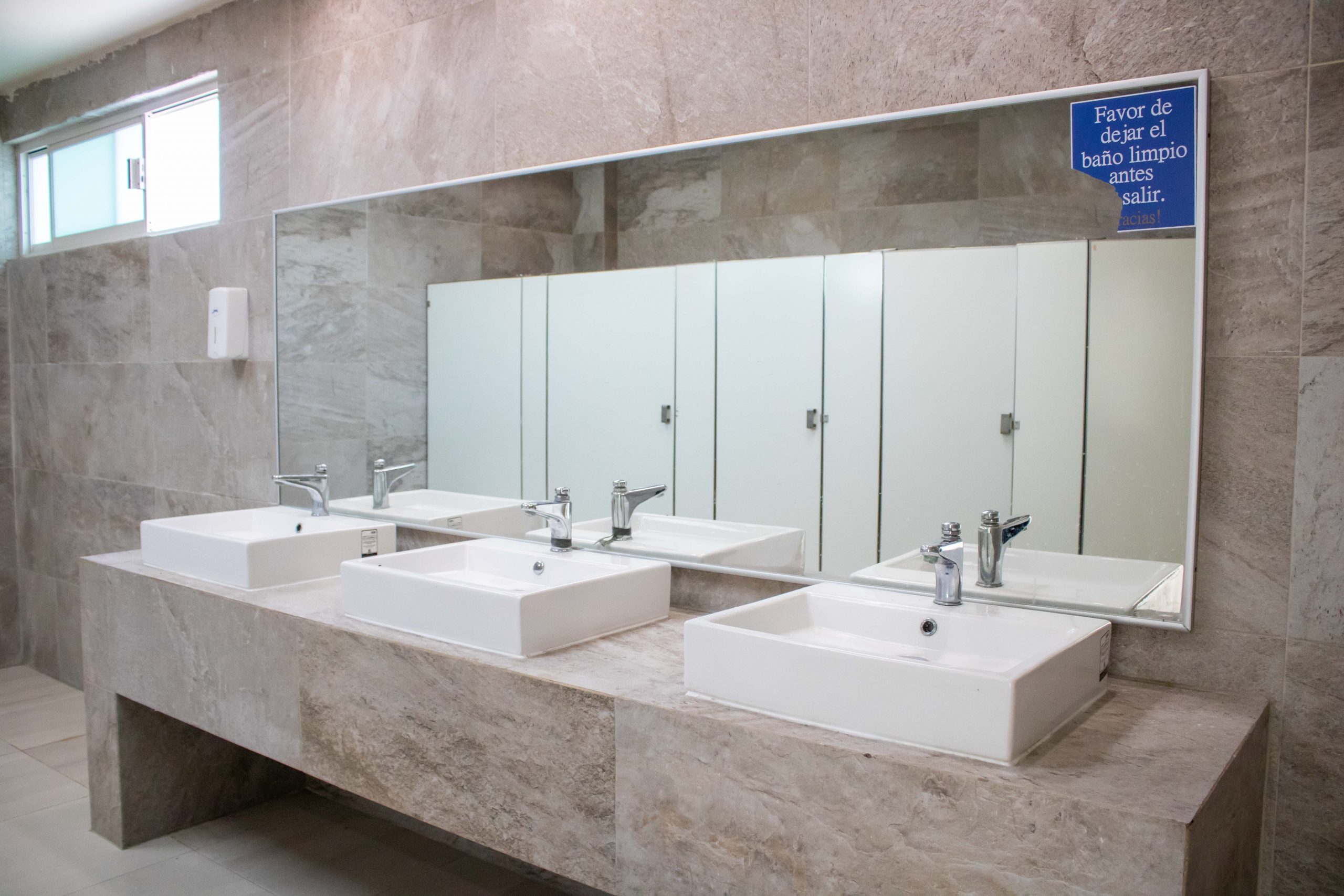
At the same time, UANL promotes ongoing awareness campaigns aimed at students, teachers and administrative staff, encouraging responsible habits such as the rational use of water, reporting leaks and valuing the resource as a strategic element.

The accumulated benefits of the program are reflected in the reduction of institutional consumption, economic savings, greater operational efficiency, decreased environmental impact, and the strengthening of a university culture committed to the efficient use and conservation of water.

By carrying out all these actions, UANL contributes to the fulfillment of Sustainable Development Goal 6: Clean Water and Sanitation, consolidating itself as a national and international benchmark in the responsible management of water at the local and national level.

Water network maintenance program

The Water Network Maintenance Program at the Autonomous University of Nuevo León (UANL) is an institutional strategy aimed at ensuring the efficiency, continuity, and quality of the drinking water and treated water supply across the university's various campuses. Through this program, ongoing inspection, preventive and corrective maintenance, leak repair, pipe modernization, and optimization of hydraulic installations are carried out to reduce losses and ensure the responsible use of water resources.

The program also promotes the use of treated water in activities that do not require potable water, helping to reduce pressure on water sources and strengthening institutional efforts for efficient water use. These measures improve the performance of the university's water infrastructure, reduce waste, and generate environmental, economic, and operational benefits for the university community.

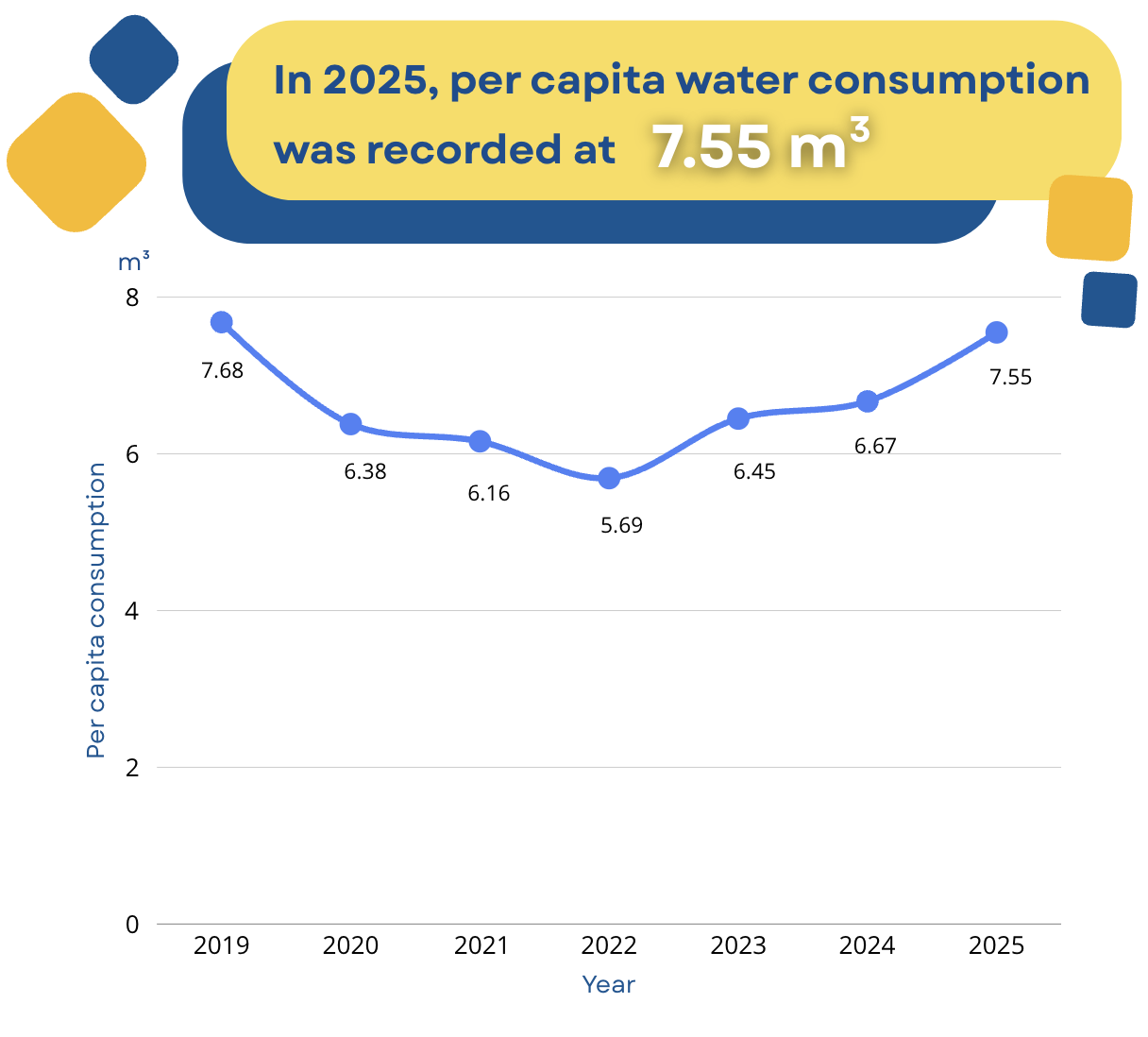
The Autonomous University of Nuevo León reported a total consumption of 1,674,374 m³ of water in the year 2025.

See graphs of water consumption by campus in the last three years.

en_USEnglish