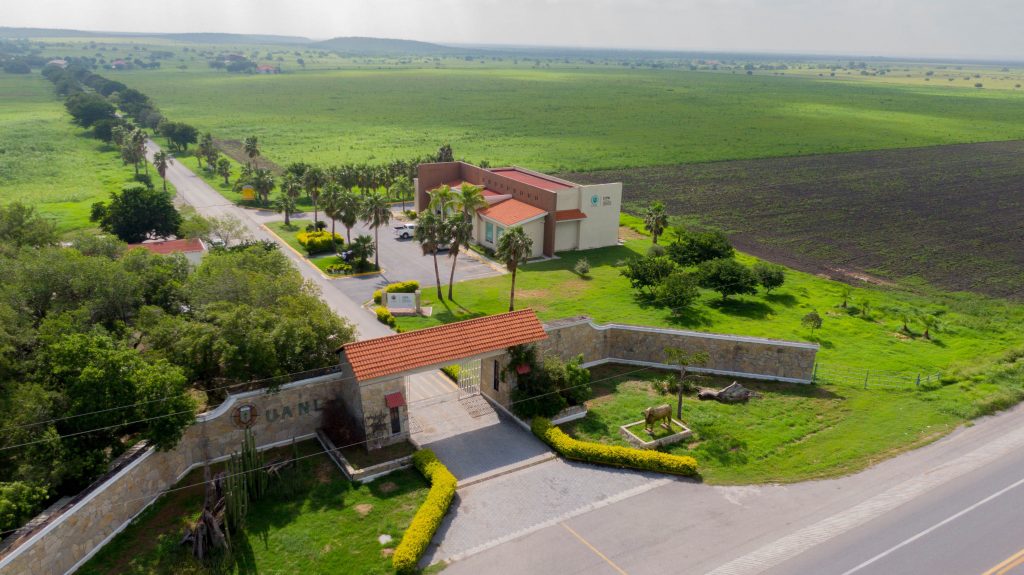
The green infrastructure of the Autonomous University of Nuevo León (UANL) is a strategic component of its sustainability model, integrating areas covered with natural and planted vegetation across its university campuses. These spaces not only serve an aesthetic and recreational function, but also provide environmental, social, and educational benefits that enhance the quality of life for the university community.
The green spaces at UANL contribute significantly to improving air quality by capturing carbon dioxide (CO₂) and producing oxygen. They also help regulate temperature, reduce direct solar radiation, and mitigate the effects of urban heat islands. Another important contribution is rainwater harvesting, which helps recharge aquifers and reduce surface runoff, particularly in a climate characterized by arid and semi-arid conditions.
From a social perspective, these spaces promote the physical and emotional well-being of students, faculty, and administrative staff. The presence of gardens, parks, and wooded areas facilitates recreation, leisure, and social interaction, in addition to contributing to stress reduction and improving the environment for learning and academic work.
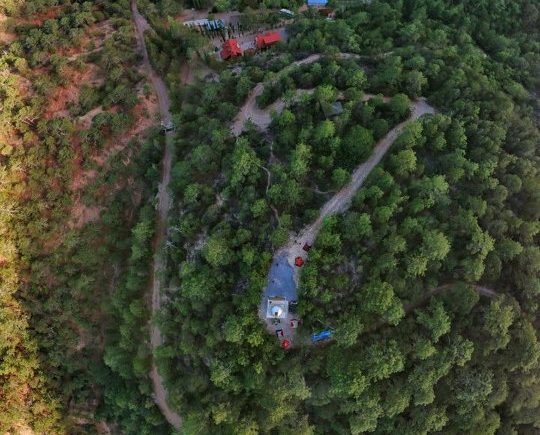
In the ecological sphere, the green infrastructure of the UANL serves as a refuge and habitat for diverse species of native flora and fauna, promoting biodiversity conservation within urban environments. These spaces allow for the maintenance of essential ecological processes and strengthen biological connectivity between natural areas, which is fundamental in the face of urbanization and landscape fragmentation.
Additionally, university green spaces play a vital role in academic training, serving as living laboratories for teaching and research. In these areas, students can engage in hands-on activities related to ecology, sustainability, natural resource management, and environmental conservation, thus strengthening experiential learning.
The institution's commitment to green infrastructure is reflected in actions aimed at creating, conserving, and maintaining these spaces, as well as integrating them with existing infrastructure. The UANL promotes tree planting programs, sustainable tree management, and continuous improvement of its green areas, with the goal of maximizing the environmental and social benefits these spaces generate.
Green infrastructure represents a fundamental pillar in the sustainability strategy of UANL, contributing to the environmental resilience of its campuses, and fostering a culture of respect for nature.





 English
  Spanish