
Conservation and sustainable use of biodiversity and natural resources
Conservation and sustainable use of biodiversity and natural resources
“Efraím Hernández Xolocotzi” Botanical Garden
The Efraim Hernández Xolocotzi Botanical Garden (JEB-EHX) at the Autonomous University of Nuevo León is a 10-hectare space that integrates biocultural conservation, environmental education, applied research, and community engagement. Throughout 2025, various products and activities were developed, reflecting its impact on institutional and social sustainability.

Genetic conservation and ecological restoration
During 2025, seeds were collected from plant species found in the botanical garden, with an emphasis on cacti and plants adapted to arid zones. Approximately 30,000 seeds from 10 cactus species were obtained. Each batch was documented with photographs and a traceable record, ensuring their availability for ecological restoration and genetic conservation projects.
In 2025, more than 10,000 plants of six species were germinated in the JEB-EHX greenhouse.

In 2025, over 10,000 plants representing six species were successfully germinated at the JEB-EHX greenhouse, the result of specialized technical management in *ex situ* propagation. These plants are destined for ecological restoration programs in arid zones, scientific research projects on the phenology and ecology of at-risk species, and environmental education activities where students and visitors learn about propagation and conservation. This initiative relies on the controlled reproduction of native species—thereby avoiding the mass extraction of wild specimens—with each germinated batch integrated into a documentary traceability system and allocated to uses that strengthen local ecosystems and support academic training.
Receipt of specimens seized by the Federal Attorney's Office for Environmental Protection (PROFEPA): The Efraim Hernández Xolocotzi Botanical Garden, accredited as a Wildlife Management Unit (UMA) under official registration PVSNL-UMA-IN-1270-NL, was designated by PROFEPA as the legal custodian of seized specimens. This accreditation, based on the General Law of Ecological Balance and Environmental Protection and NOM-059-SEMARNAT-2010, confirms the Garden as a reliable and recognized space for conservation in accordance with Mexican regulations. In September 2025, 12 specimens were received. Agave victoriae-reginae (noa) and 2 copies of Beaucarnea recurvata (elephant's foot)—both species listed in risk categories under NOM-059-SEMARNAT-2010. The specimens were incorporated into the Garden’s living collections, receiving specialized technical care for their recovery and ongoing monitoring. This development not only reinforces the institutional legitimacy of the JEB-EHX but also positions it as a trusted partner for environmental authorities, capable of ensuring the responsible custody of endangered species and contributing to the fight against the illegal trafficking of wild flora.
Participatory conservation and sustainable economy
Catalog of species available for sale, adoption, and exchange: a nursery with a capacity of over 15,000 plants has been set up, housing more than 10,000 cacti that are available to the community for sale, adoption, or exchange. This initiative links conservation with community participation.
Institutional souvenirs: products such as shirts, mugs, and bracelets featuring original images of the Garden were designed. These items strengthen cultural identity and generate supplementary revenue.
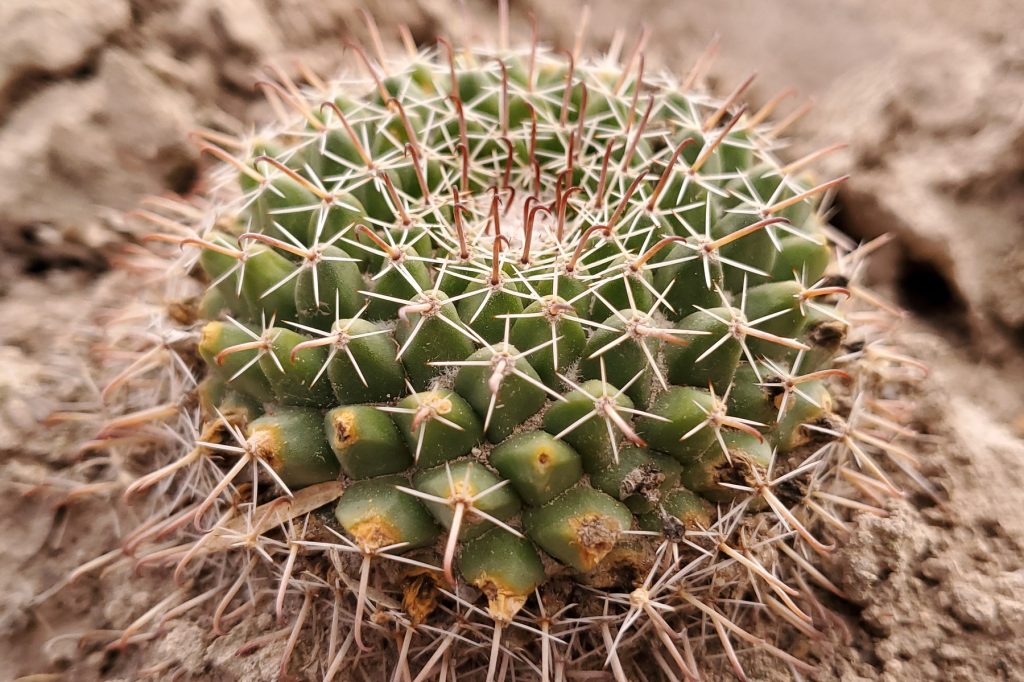
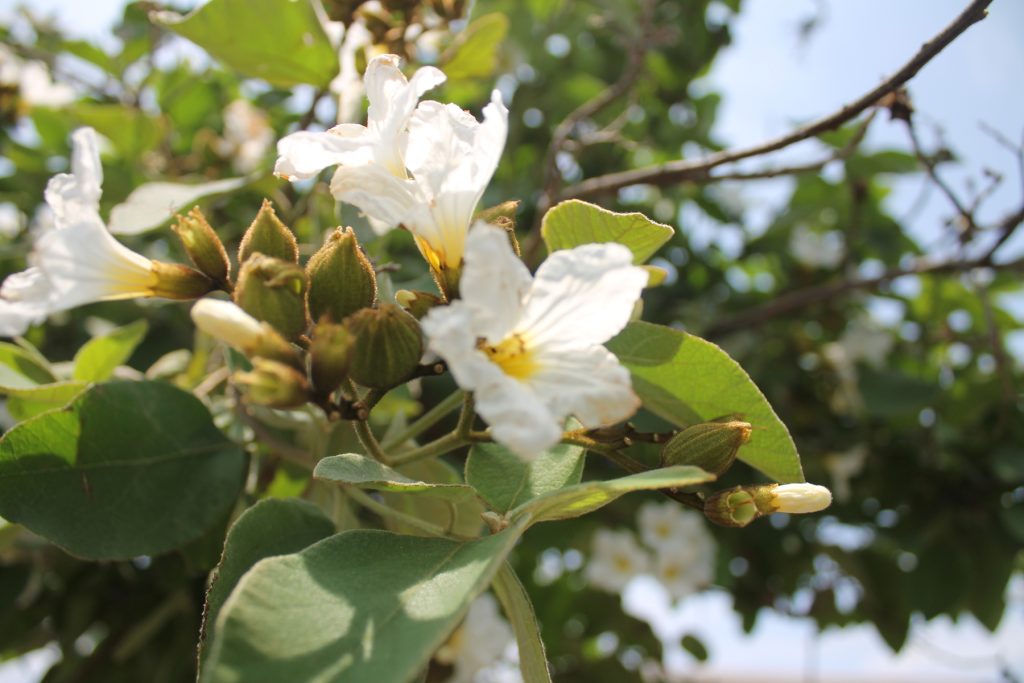
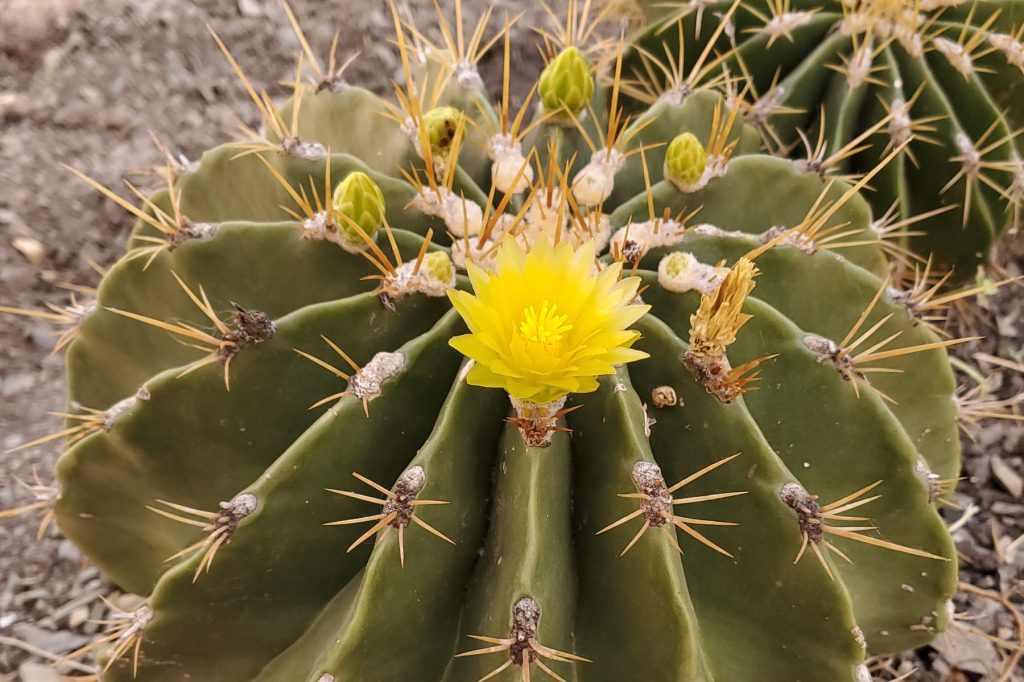
The UANL’s JEB-EHX has the capacity to conserve more than 15,000 plants belonging to cactus species.
Environmental education and community participation
In 2025, various educational guides were developed to strengthen the Garden's mission as a living classroom and a space for scientific outreach. These guides were designed to be accessible to both students and the general public, combining academic rigor with clear, visually engaging language.
Medicinal Plants Guide: It compiles traditional knowledge regarding species used in folk medicine, linking science and culture. This material reinforces biocultural conservation and the transmission of ancestral knowledge.
Cactus Flower Guide: It documents the phenology and characteristics of cactus species, many of which are at risk of extinction. It includes photographs of flowering and data on pollination, making it a valuable resource for research and environmental education.
Guide to Submontane Scrub: It describes the structure and dynamics of this ecosystem characteristic of northeastern Mexico. It includes photographs, maps, and fact sheets on representative species, enabling visitors to understand the importance of conserving this habitat.
These guides are not merely reference materials; they are used in school workshops, biodiversity fairs, and guided tours, reaching hundreds of students and visitors. Furthermore, they are distributed in digital format, which expands their reach and ensures that the knowledge is accessible to both rural and urban communities.


The importance of these publications lies in their ability to connect science with society, foster community ownership of biodiversity, and strengthen contextualized environmental education. By integrating technical information with traditional knowledge, the guides contribute to sustainability by promoting responsible practices and raising awareness about the conservation of local species and ecosystems.
Preparation of technical fact sheets in Nahuatl: ten bilingual technical fact sheets were produced, integrating scientific information on native species with traditional knowledge. These sheets were translated into Nahuatl, an indigenous language with a strong historical and cultural presence in northeastern Mexico.
Each fact sheet describes key aspects of the species—such as common and scientific names, traditional uses, conservation status, and management recommendations—accompanied by photographs. Written in both Spanish and the Indigenous language, they serve as a bridge between academic knowledge and the cultural heritage of Indigenous communities. The significance of these fact sheets lies in the fact that:
- It preserves and revitalizes Indigenous languages by using them as a vehicle for environmental education.
- It strengthens community ownership of biodiversity, as the fact sheets allow speakers of these languages to access information in their native tongue.
- It promotes inclusion and equity in educational processes, recognizing cultural diversity as an essential part of sustainability.
- It integrates science and tradition, demonstrating that conservation is not limited to the biological realm but also encompasses the transmission of ancestral knowledge.
- Furthermore, their availability in digital format extends their reach to other regions, cementing the JB-EHX as a benchmark in inclusive and biocultural environmental education.


2nd Biodiversity Fair of the “Efraim Hernández Xolocotzi” Botanical Garden: held at the Linares City Theater. The event brought together more than 700 elementary school students, becoming one of the most significant large-scale educational activities of the year.
The fair included a wide range of thematic workshops:
Wildlife monitoring: track identification, camera-trap monitoring, and birdwatching.
Medicinal plants: traditional uses and the preservation of ancestral knowledge.
Waste management: activities regarding sorting and recycling, linked to the students' daily lives.
Species at risk of extinction: a presentation on protected flora and fauna, with an emphasis on NOM-059, the identification of major threats, and conservation actions.
In addition, recreational activities such as a biodiversity lottery, painting native species, and nature drawing were held, fostering children's creativity and hands-on learning.
The fair also featured video displays on wildlife—showing footage captured via camera traps and educational clips—as well as a gallery of drawings from previous "Drawing Native Wildlife" contests. This allowed attendees to appreciate both local biodiversity and the artistic contributions of other children and young people.
Germination workshops in rural community schools: more than 300 students and teachers participated in germination workshops, where the propagation of native species was taught and community reforestation was promoted.
Best practices workshop with Huerto Integra A.B.P.: the session focused on therapeutic horticulture, integrating emotional well-being with the conservation of aromatic plants. The significance of this workshop lies in its transformation of horticulture into a tool for community well-being and social resilience, while simultaneously promoting the conservation of useful and traditional plant species. By integrating the therapeutic dimension with environmental education, the JEB-EHX demonstrates that sustainability is measured not only in ecological terms but also by the capacity to create inclusive, healthy, and culturally significant spaces.


Research and monitoring
Camera-trapping manual: The camera-trapping manual for the Efraim Hernández Xolocotzi Botanical Garden was developed as a technical guide for wildlife monitoring. The document details the procedures for installing, calibrating, and maintaining camera traps, as well as the methodologies for data recording and analysis.
The manual includes:
- Installation protocols for different habitats, ensuring the capture of representative images of local wildlife.
- Technical recommendations regarding camera placement, height, angle, and exposure time to optimize recording quality.
- Recording and traceability formats to ensure that each observation can be used in scientific research and conservation projects.
- Practical examples of species detected in the Garden—such as medium-sized mammals, birds, and reptiles—that serve as evidence of the value of monitoring.


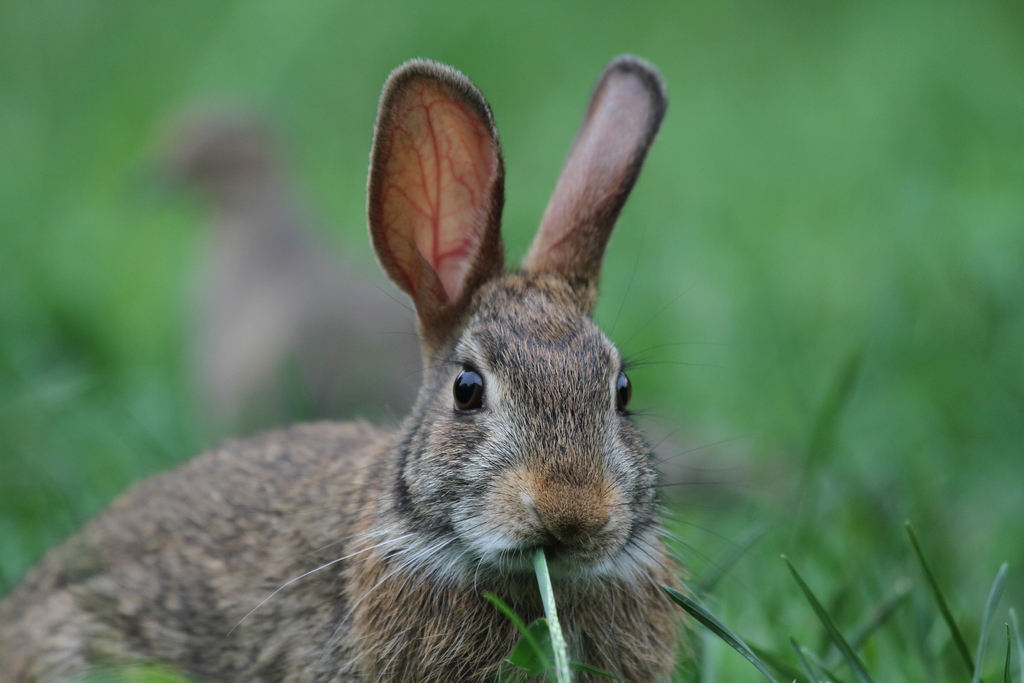
It has multiple uses:
Scientific research: enables the creation of reliable databases on the presence, abundance, and behavior of wild species, many of which are at risk.
Environmental education: used in school and university workshops, where students learn modern techniques for wildlife monitoring and analysis.
Responsible conservation: as a non-invasive tool, camera trapping avoids capturing or disturbing animals, promoting ethical and sustainable practices.
The importance of the manual lies in the fact that it establishes the Garden as a methodological benchmark for other conservation sites by offering a technical resource that combines scientific rigor with educational accessibility. Furthermore, it strengthens the JEB-EHX's capacity to integrate applied research with community outreach, solidifying its role as a living laboratory for biocultural conservation.


Academic engagement and national/international outreach
Participation took place in two highly significant academic forums: the Gathering of Ethnobiological Gardens in Paquimé, Chihuahua, and the Belgrade Charter Colloquium.
Encounter at Paquimé:
This event brought together representatives from ethnobotanical gardens in northern Mexico to share experiences in biocultural conservation and strengthen regional cooperation. The JB-EHX showcased its progress in cactus propagation, environmental education, and community engagement, highlighting the potential of a 10-hectare site to generate a national impact. Additionally, participants took part in working groups and presentations addressing topics such as ecological restoration, social inclusion, and the recovery of traditional knowledge.
Belgrade Charter Colloquium:
Organized by the botanical garden to commemorate the 50th anniversary of the Belgrade Charter (1975)—a foundational document for global environmental education—this colloquium provided an opportunity to reflect on the principles of sustainability, equity, and community participation. The Garden shared its experience with school programs, biodiversity fairs, and the production of bilingual materials, demonstrating how international guidelines are applied within local and regional contexts.


The significance of this participation lies in how it establishes the JEB-EHX as an academic and cultural actor capable of engaging in dialogue within forums for historical and scientific reflection. By sharing its experiences in conservation, education, and inclusion, the Garden positions itself as a national benchmark within RENAJEB and as an example of how global environmental education principles can be translated into concrete actions for restoration and public outreach.
Mexican and Ibero-American Congress on Ecological Restoration: The Garden participated in the Mexican and Ibero-American Congress on Ecological Restoration, one of the most significant events regarding ecosystem conservation and recovery. The Garden hosted over 70 national and international attendees, who took guided tours of the facilities. During these tours, the Garden showcased its key products: educational guides, catalogs of seeds and germinated species, technical manuals, and bilingual materials. Visitors gained firsthand insight into advances in the propagation of at-risk cacti, environmental education programs with local schools, and biocultural inclusion strategies. This participation bolstered the Garden’s international profile, positioning it as a regional leader within the National Network of Ethnobiological Gardens and as a model that can be replicated in other contexts.
RENAJEB Symposium on Biocultural Conservation: Participation took place in the symposium "Experiences of Ethnobiological Gardens for Biocultural Conservation in Arid and Mountainous Zones," organized by the National Network of Ethnobiological Gardens (RENAJEB) to commemorate National Conservation Day in Mexico. The event brought together representatives from gardens in Tamaulipas, Nuevo León, Guanajuato, and Durango and was broadcast live via Facebook, expanding its digital reach and enabling interaction with diverse audiences. JB-EHX’s participation included a presentation on conservation initiatives at the Linares site, highlighting—among other achievements—advancements in the propagation of at-risk cacti, environmental education programs with local schools, linguistic inclusion through technical information sheets in Indigenous languages, and the development of accessible infrastructure. These topics demonstrated how a 10-hectare site can serve as a model for biocultural conservation with both social and academic impact.
Agreements and letters of engagement with botanical gardens in northern Mexico: collaboration with Baja California, Chihuahua, Durango, Tamaulipas, and other states, strengthening regional cooperation.
The book *Cultura de la Conservación en Jardines Etnobiológicos del Norte de México* (Conservation Culture in Ethnobiological Gardens of Northern Mexico) has been completed; it is an academic publication that brings together experiences and contributions from various gardens in the region, including those in Chihuahua (Paquimé), Coahuila, Durango, Tamaulipas, and Nuevo León.


Science communication and digital communication
A podcast on plant tissue culture was produced; it disseminated biotechnological innovation applied to the propagation and conservation of forest resources, featuring the participation of specialists from the UANL.
Official social media channels: Facebook, Instagram, X, LinkedIn, YouTube, and TikTok. Regular posts are published regarding native biodiversity, at-risk species, and educational activities, reaching thousands of people.
40th Anniversary Institutional Calendar: combines historical memory with environmental awareness, featuring significant dates and photographs of flora and fauna.
Inclusive and sustainable infrastructure
Signage and ramps for people with disabilities: ensure universal accessibility along routes and in demonstration areas.
Traditional Crop Demonstration Area: A space dedicated to demonstrating traditional crops has been established at the Efraim Hernández Xolocotzi Botanical Garden, where local agricultural practices—such as the cultivation of maize and beans—are preserved. This space functions not only as an experimental plot but also as a living classroom that links biological conservation with the agricultural heritage of surrounding rural communities.
The initiative was designed by incorporating the traditional knowledge of workers and residents from nearby communities, who contributed planting techniques, soil management methods, and crop rotation practices handed down from previous generations. By integrating this knowledge with academic support from the Faculty of Forestry Sciences, a model combining science and tradition was achieved.


UANL Ethnobiological Garden (JEB)
The Ethnobiological Garden (JEB) of the Autonomous University of Nuevo León (UANL) is a space dedicated to the conservation, research, and dissemination of species of ethnobiological importance found in the north-central region of Nuevo León. Since 2019, and with support secured through various calls for proposals from the National Council of Humanities, Sciences, and Technologies (CONAHCYT) and the current Secretariat of Science, Humanities, Technology, and Innovation (SECIHTI)—specifically projects 304982 (2019), 321347 (2021), and RENAJEB-2023-10 (2023)—work has been carried out to develop and establish the garden. The goal is to create a site that safeguards the state's biocultural heritage and facilitates universal access to knowledge regarding the natural resources of Nuevo León's arid ecosystems. This garden is a member of the National Network of Ethnobiological Gardens, alongside 27 other gardens from various states across the country.
The JEB is located approximately 45 km from the Monterrey metropolitan area, in the municipality of Marín, Nuevo León, and within the Marín academic-experimental campus of the UANL Faculty of Agronomy. Its geographic coordinates are 25° 52.452′ N, 100° 2.799′ W, and it has an elevation of 455 meters above sea level. It is an area dominated by Tamaulipan thornscrub and microphyllous desert scrub. At this site, the JEB comprises four main areas. which together cover 3.5 hectares:
1. Collectarium. This space features *in vivo* botanical collections accompanied by descriptive information sheets, showcasing representative specimens of aromatic species, plants for industrial use, shrubs and trees, cacti, agaves, and palms; the collection currently comprises 62 species.
2. Conservatorium. Located next to the La Juventud Dam, it comprises a natural ecosystem featuring interpretive trails, a bird-watching spot, and a palapa serving as a gathering area.
3. Germplasm bank. Collection of seeds from native species and cultivated varieties of ethnobiological importance.
4. Native plant nursery. For the propagation of native and naturalized plants, the focus is primarily on species of cacti and agaves.


The UANL Ethnobiological Garden features 62 species of native flora.
In late 2024, the JEB UANL Marín expanded to the locality of Aramberri, Nuevo León, specifically at the La Ascensión Academic Unit (UALA) in the municipality of Aramberri—located 300 km from the main campus in General Escobedo, N.L. This ethnobiological garden was established on a 4.5-hectare plot with the aim of expanding plant collections from the state of Nuevo León, including species typical of the state's southern region. The site experiences contrasting climatic conditions, situated at an elevation of 2,000 meters above sea level with a temperate to semi-dry climate and an average annual temperature ranging between 12°C and 18°C. Summers are moderately warm (averaging 19°C–20°C) and winters are cold, with January being the coldest month (averaging 9°C–10°C). Initial work involved a floristic survey of the plot, with the first phase focusing on the conservation of species within the Opuntia genus. The selected site was developed with a trail system covering the entire area, spanning a total length of over 1 km. Work is currently underway to expand the agave and yucca collections.

The JEB UANL covers an area of 4.5 hectares at the La Ascensión Academic Unit, located in Aramberri, Nuevo León.
Plant collections
Native plant species thrive in their own ecological zones because the climate, soil, and general environment are ideally suited to their development; consequently, native species hold advantages over introduced ones. Nuevo León boasts a diverse flora, featuring a wide array of genera and species of trees, shrubs, palms, agaves, and cacti. This diversity is likewise reflected in the plant parts that can be utilized—such as leaves, fruits, stems, flowers, primary or secondary roots, and shoots—as well as in their traditional applications, including medicinal, ornamental, human and animal food, construction, environmental purposes, metabolite extraction, textiles, and gastronomy (Alanís-Flores and González-Alanís, 2003).
Currently, native plant species are a primary focus of study and conservation at the Autonomous University of Nuevo León’s Ethnobiological Garden (Marín campus); various plant collections are maintained across the four aforementioned preservation sites.


Flora and fauna collections
The Ethnobotanical Garden (JEB) UANL Marín Campus, is located less than 12 km from the Monterrey metropolitan area, surrounded by scrubland typical of the Tamaulipan Thorn Scrub vegetation, where the main species of the region are rabbits (Sylvilagus floridanus), hare (Lepus californicus), wild turkey (Meleagris gallopavo), collared peccary (Pecari tajacu), raccoon (Procyon lotor), opossum (Didelphis virginiana), white-tailed deer (Odocoileus virginianus) coyote (Canis latrans), wildcat (Lynx rufus), desert horned lizard (Phrynosoma cornutum), desert tortoise (Gopherus agassizi), rattlesnake (Crotalus sp.) and eventually black bear (Ursus americanus).
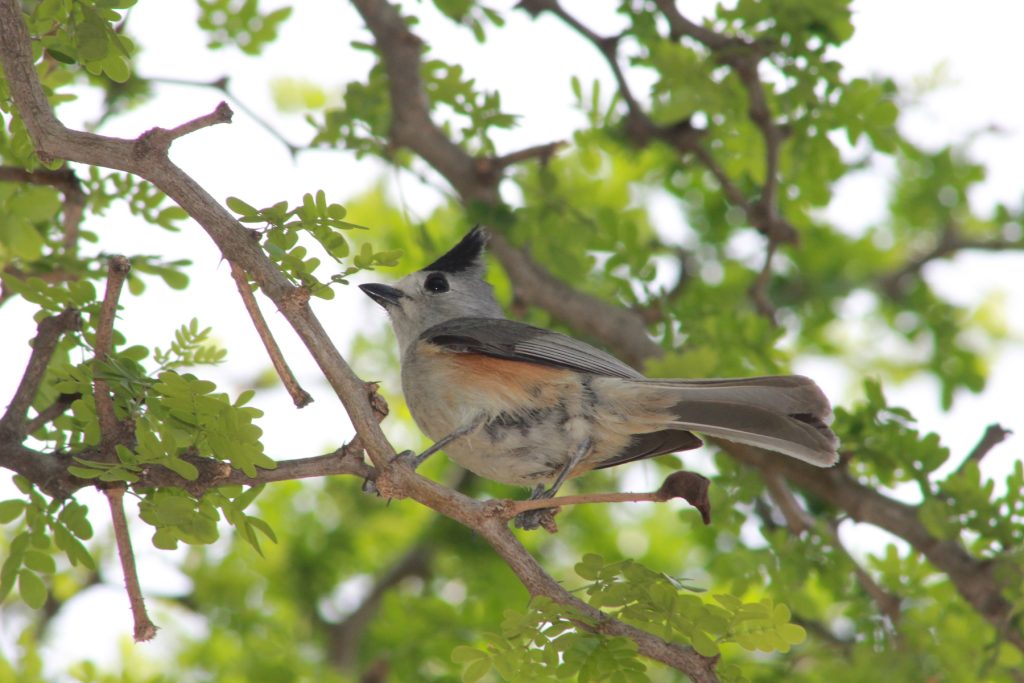
The JEB photo archive contains records of approximately 250 wildlife species—the majority being birds (230 species), for which scientific illustrations used for educational purposes are also available. Additionally, there are photographic and video records of mammal and reptile species obtained via camera trapping (Figure 3); notable species include the coyote, raccoon, collared peccary, white-tailed deer, bobcat, armadillo, desert horned lizard, and desert tortoise. The "Presa la Juventud" (La Juventud Dam) is located within the area; more than 230 bird species—comprising both migratory and resident populations—have been observed there.
Among the main activities carried out by the JEB Marín team in 2025 are the following:
1. Floristic inventory. An inventory was conducted of the plant species present in the Collectarium area of the UANL Ethnobiological Garden (Marín site); currently, there are 61 species (comprising over 1,800 individual plants), which belong primarily to the following botanical families: Cactaceae, Agasperaceae, Fabaceae and Lamiaceae. The collection is expected to grow over the coming years, just as it has to date.
As of 2025, the JEB UANL Ethnobiological Garden has records of 250 fauna species.


2. Wildlife monitoring. Camera traps were deployed in various areas of natural vegetation within the municipality of Marín (at the UANL Marín experimental campus) and the municipality of Aramberri (at the FA-UANL La Ascensión experimental academic campus). Video and photographic records were obtained of various wild mammal species (including collared peccary, bobcat, white-tailed deer, coyote, raccoon, and armadillo) and bird species (over 200 species to date, including wild turkey, crested caracara, northern cardinal, great blue heron, green heron, kingfisher, etc.).
3. List of native species cultivated in vitro. Quantities available for each plant species are included, whether in in vitro conditions (shoots or plantlets) or as acclimatized plants adapted to a substrate. It should be noted that the species listed were initially established in vitro from seeds or other types of explants (micro-cuttings)—which were disinfected to prevent microbial contamination—and subsequently incubated under controlled conditions of temperature, photoperiod, and relative humidity. Following incubation, the in vitro plantlets or shoots were counted; for some species, growth continued in a different culture medium, or the plants were transferred to acclimatization conditions.
4. Multilingual dictionary of plants of ethnobotanical importance in Nuevo León, It was prepared by selecting 300 words related to the botanical aspects of morphology, ecology, and the conservation of plant species in Nuevo León; for each entry, the concept, a definition in Spanish, and the translation into the Tepehuán language are included. This document represents version 1.0, which will be improved by increasing the number of words in subsequent stages.
5. Braille plaques for a sensory garden. Fifteen plaques featuring plant species—including Braille translations—were produced. The species were selected based on their aromatic and medicinal characteristics; each plaque displays the common name, scientific name, and botanical family, along with a brief description of uses and/or properties. The plaques are made of 30 x 30 cm acrylic with a vinyl print on the back, and feature an attached embossed aluminum plate for the Braille translation. They will be installed next to each plant species within the UANL Marín Ethnobotanical Garden to create a sensory-themed area.
6. Analysis of marketing chains for piñón and native maize from Nuevo León. Using two plant species of particular importance due to their utilization in the state of Nuevo León as a reference, an analysis was conducted regarding various aspects of the marketing chains for pine nuts obtained from *Pinus cembroides* and for native maize from Nuevo León. To this end, interviews were held with local producers, and information was gathered from online databases and academic documents.


7. Distribution maps of three plant species in Nuevo León. The stone pine species were selected (Pinus cembroides), lettuce (Agave lechuguilla) and mesquite (Neltuma ssp. and Prosopis ssp.). For each selected species, a literature search was conducted using open-access databases and scientific documents. Geographic locations reported by various authors for the state of Nuevo León were considered and plotted on the respective maps. Additionally, information regarding each species' botanical description, habitat, and uses is included.
8. Two videos on plant species of ethnobotanical importance in Nuevo León. Two videos were produced to showcase aspects related to the conservation and utilization of plant species of ethnobotanical importance. The video "Propagation Methods for Native Species" focuses on conservation activities carried out through the in vitro germplasm bank established for native plant conservation. The second video, "Utilization of Natural Resources by Regional Producers," presents information gathered in the community of Las Crucitas (municipality of Galeana, Nuevo León), where a group of eight agricultural producers shared their experiences regarding the harvesting and commercialization of piñón (pine nuts).
9. Report on native plants with metabolites used for the control of weeds, pests, and diseases. The report was prepared using information obtained from research conducted at FA-UANL by collaborators from the JEB UANL Marín site; it describes the most significant results regarding the use of plant extracts as bioherbicides and agents for controlling pests and diseases. It also incorporates data from various scientific documents concerning plant species distributed in Nuevo León and northern Mexico.
10. National-level linkage with the National Network of Ethnobiological Gardens (RENAJEB). Staff from the UANL-Marín Ethnobotanical Garden (JEB) visited the Tabasco JEB in Huimanguillo and attended the meeting on ethnobotanical gardens held during the Mexican Botanical Congress in Villahermosa, Tabasco. These meetings strengthened collaborative ties with ethnobotanical gardens in neighboring states and facilitated active participation in various outreach activities.
Germplasm bank
The UANL Faculty of Agronomy operates two germplasm banks located at its Marín and La Ascensión academic-experimental campuses. These facilities are designed to preserve seeds under controlled temperature (4°C ± 2) and humidity (≤ 20%) conditions. The repositories safeguard germplasm, including collections of significant value—primarily for food—such as native maize varieties and other regional crops like sorghum, oats, and wheat (comprising over 600 accessions). Additionally, the repository includes 46 accessions (totaling more than 2,000 seeds) of native species collected primarily from UANL Faculty of Agronomy campuses; these consist of shrubby and herbaceous plants with medicinal, industrial, ornamental, and ecological importance.
In addition, there is an auxiliary germplasm bank at the La Ascensión Academic Unit (UALA)—operated by the Faculty of Agronomy in Ejido La Ascensión, Aramberri, Nuevo León—which houses a seed collection consisting primarily of native maize varieties from the southern part of the state; this collection comprises approximately 100 accessions with varying seed quantities. The samples include maize from the municipalities of Aramberri, Galeana, Zaragoza, Dr. Arroyo, and Mier y Noriega. Furthermore, the collection incorporates 25 local genotypes of crops such as beans, oats, and sunflowers, among others.


In 2025, more than 2,000 seeds of native species were incorporated.
As part of the commitment to safeguard a portion of the ethnobotanical heritage of the state of Nuevo León, various activities have been carried out and products created to raise awareness about the importance of conserving plant genetic diversity. Examples of these efforts, realized in 2025, are described below:
1. Preparation of a catalog of native maize varieties from Nuevo León. Based on collections of native maize varieties from the southern part of the state of Nuevo León, a catalog was created presenting information on the collected samples in a descriptive datasheet format, accompanied by photographs of the materials obtained. The document serves as a reference regarding the genetic diversity of native maize in southern Nuevo León, specifically within the municipalities of Galeana, Aramberri, Dr. Arroyo, Zaragoza, and Mier y Noriega.
2. Creation of a poster on native maize varieties from Nuevo León. In addition to the catalog of native maize varieties, a decision was made to produce educational material on this important topic for the general public; to this end, an informational poster about the native maize of Nuevo León was created. This poster will be available in both physical and digital formats via social media and the official website of the UANL Ethnobiological Garden.
3. “Spanish-Nahuatl-Tepehuano trilingual seminar.” An outreach event was held to share the importance of botanical knowledge and its relationship with indigenous languages with diverse audiences; attendees included local agricultural producers, students from the FA-UANL campus in La Ascensión (Aramberri, Nuevo León), faculty members, and administrative staff.


Conservation and sustainable use of biodiversity and natural resources
The Autonomous University of Nuevo León (UANL) recognizes that the biodiversity and natural resources under its stewardship constitute a strategic asset for the environmental, social, and academic well-being of both the institution and society. The University’s territorial presence—spanning seven campuses and over 3,800 hectares distributed across 36 of the 51 municipalities in the state of Nuevo León—entails a significant responsibility regarding conservation, ecological restoration, and sustainable land management.
This extensive geographic coverage allows university grounds to host a remarkable diversity of ecosystems representative of the region, including wooded urban areas, xerophilous scrubland, grasslands, experimental agricultural areas, bodies of water, wetlands, riparian corridors, and hilly terrain with native vegetation. Consequently, university campuses serve as reservoirs for wild flora and fauna, as well as refuges for pollinators, resident and migratory birds, reptiles, small mammals, and a wide variety of organisms essential to ecological balance.
Recognizing this environmental value, the UANL drives ongoing initiatives aimed at protecting and sustainably using its natural capital. Key among these are programs for planting native species, restoring degraded areas, conserving soil, managing water responsibly, preventing fires, monitoring environmental quality, controlling invasive species, and strengthening green corridors that foster ecological connectivity between habitat fragments. Furthermore, the rational use of natural resources is promoted through criteria focused on efficiency, regeneration, and the reduction of environmental impacts.
Due to its extensive geographic coverage, it harbors remarkable ecosystem biodiversity.


University campuses also operate as living laboratories for teaching, scientific research, and applied innovation. Projects related to ecology, climate change, forest management, sustainable agriculture, water quality, environmental restoration, and native species conservation are developed in these spaces, generating knowledge useful for addressing the region's socio-environmental challenges.
Likewise, the University fosters an institutional culture of respect for nature through programs involving environmental education, volunteering, citizen science, and community participation. These initiatives strengthen the ecological awareness of students, academic and administrative staff, promoting responsible lifestyles and a relationship of respect and harmony with the natural environment.
Through this comprehensive approach, the Autonomous University of Nuevo León reinforces its commitment to biodiversity conservation and the sustainable use of natural resources, contributing to the ecological resilience of Nuevo León and the achievement of the Sustainable Development Goals—particularly those related to climate action, life on land, and sustainable cities.
 English
  Spanish