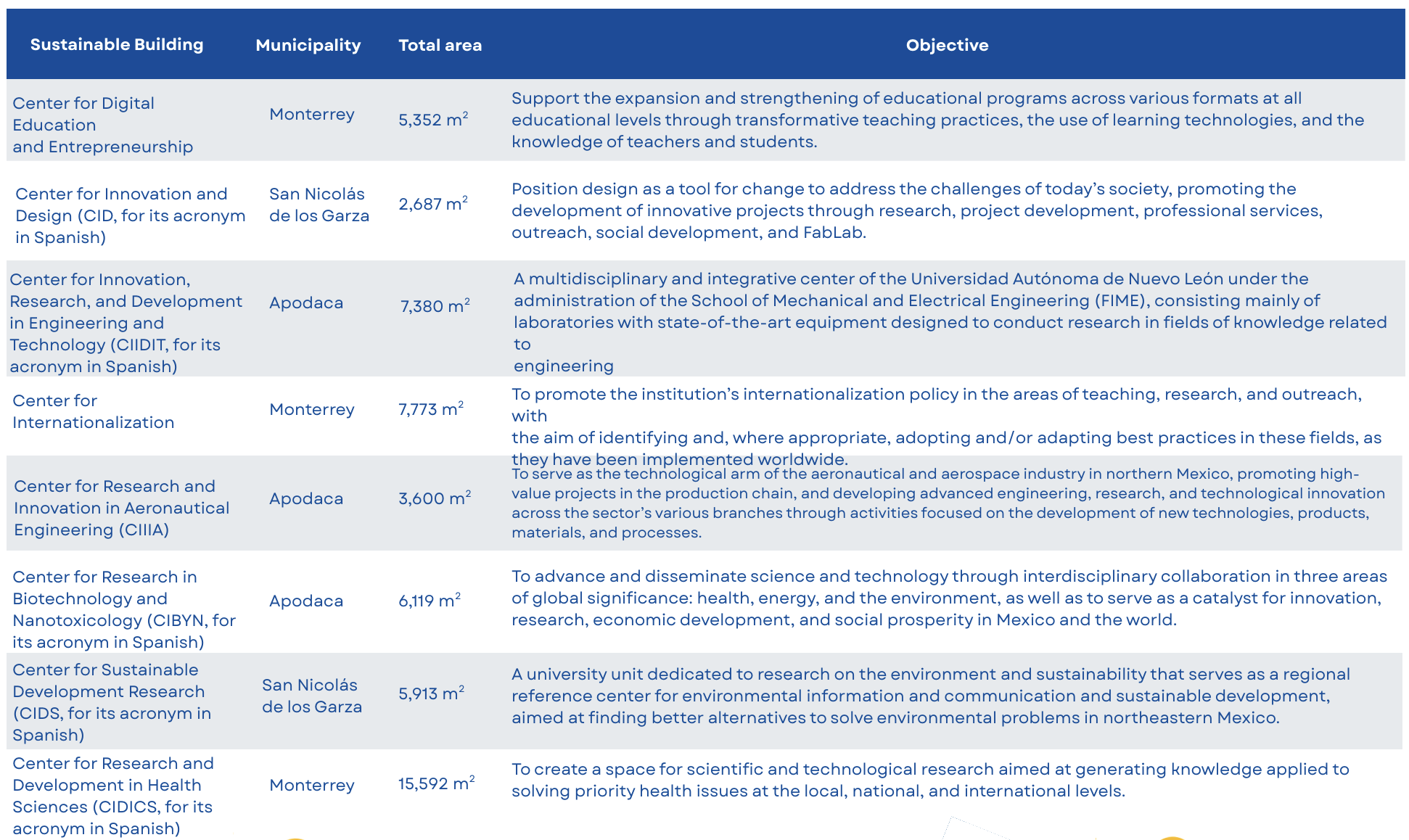
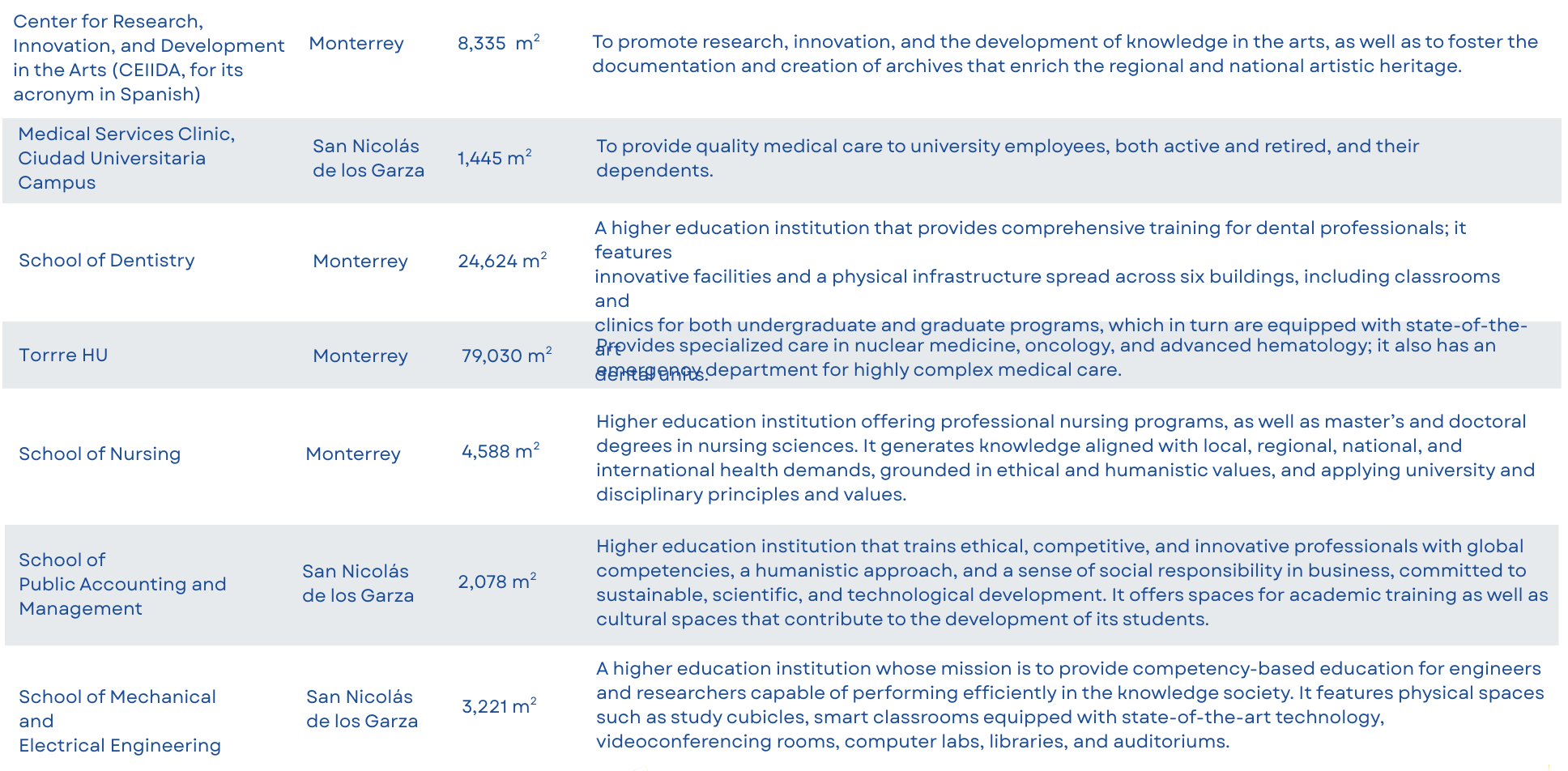
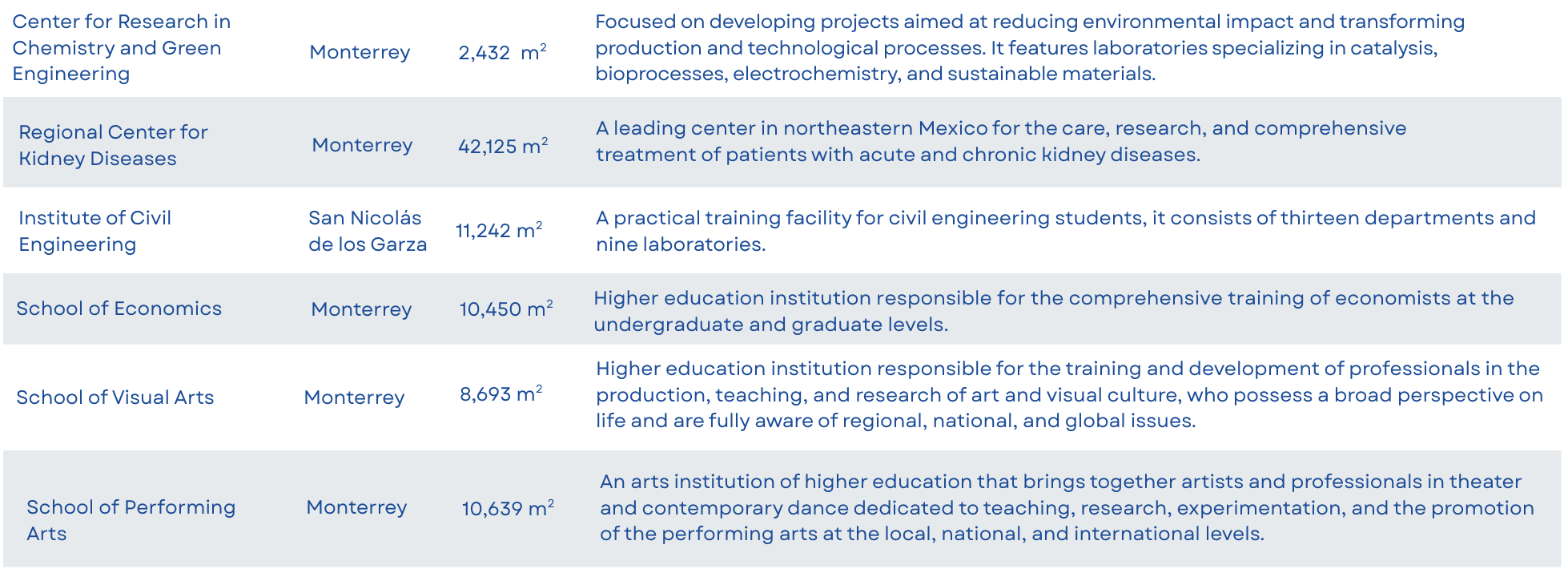
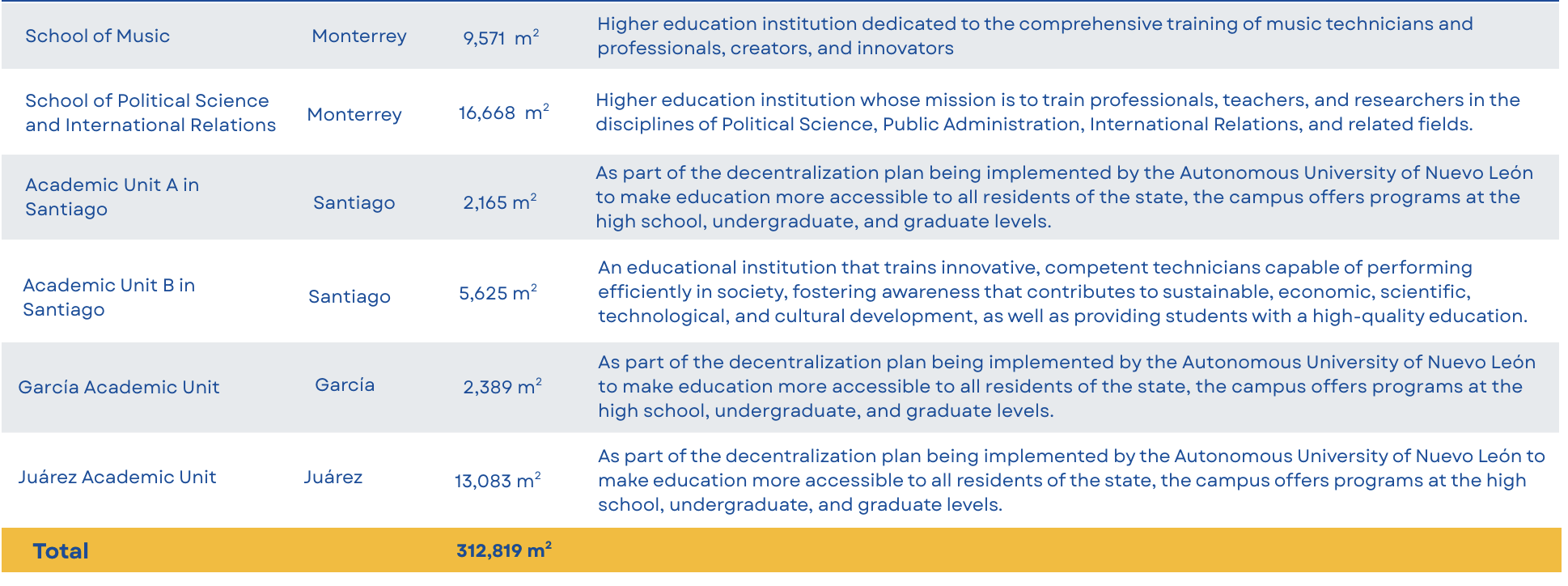
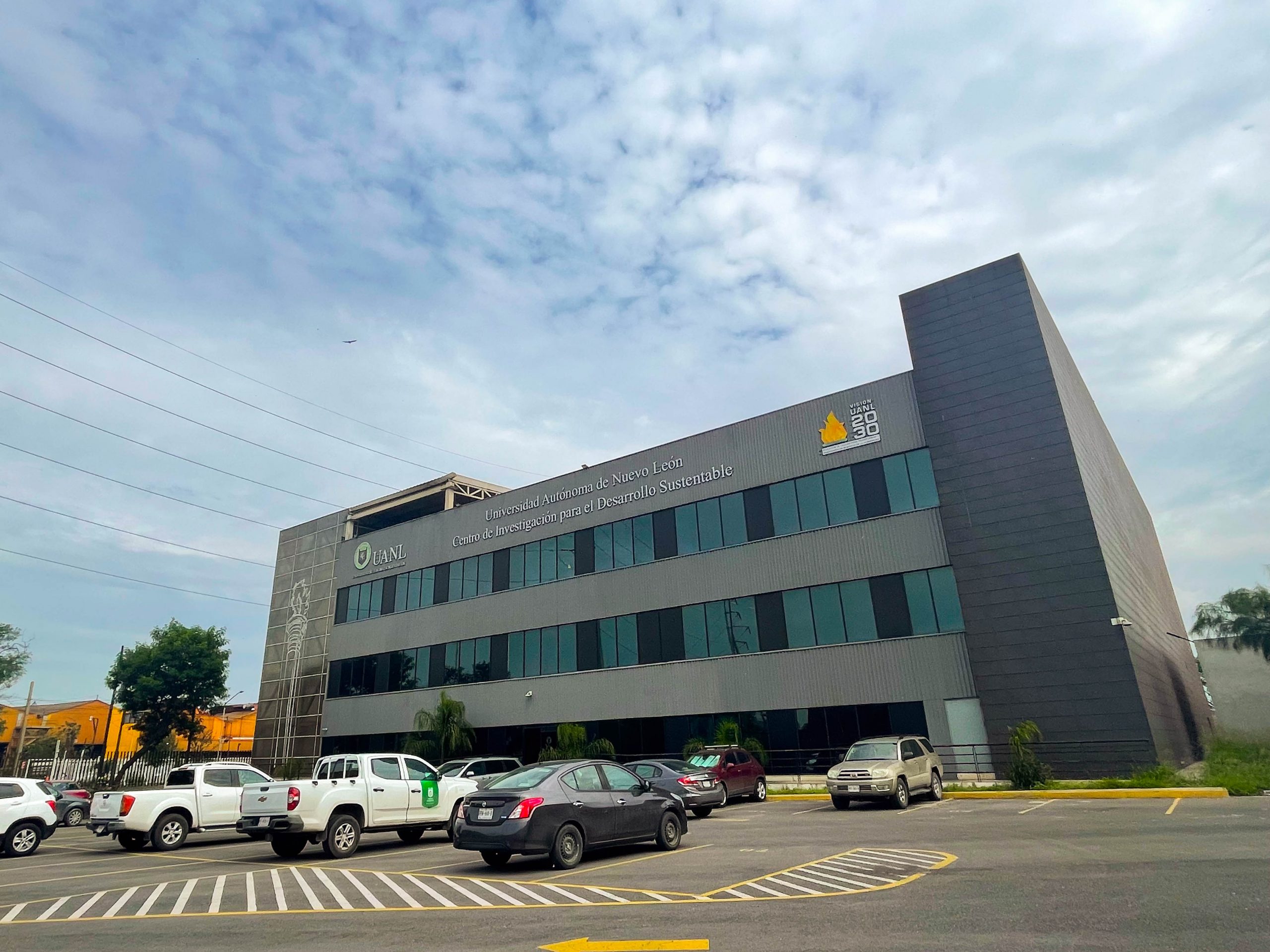
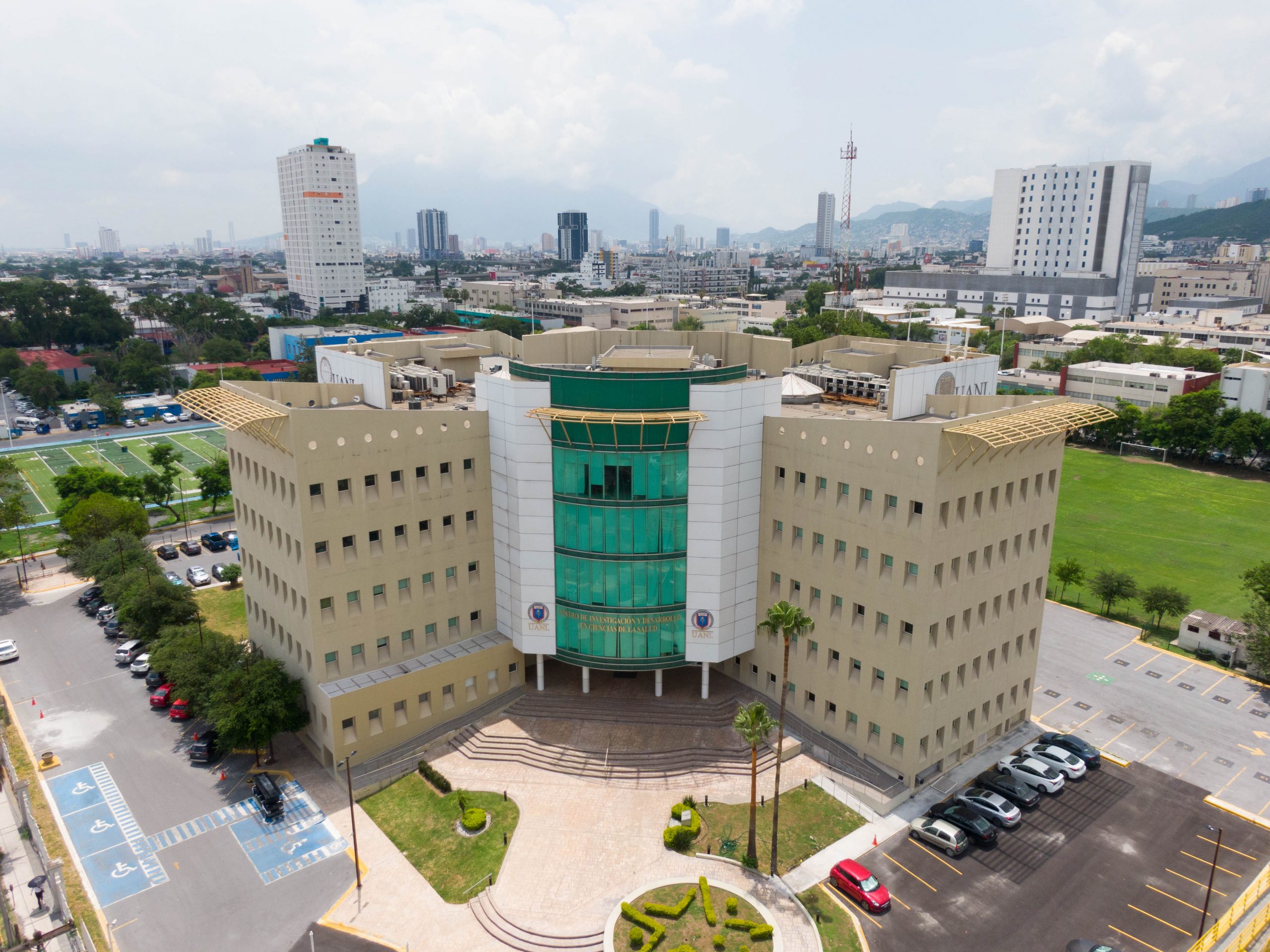
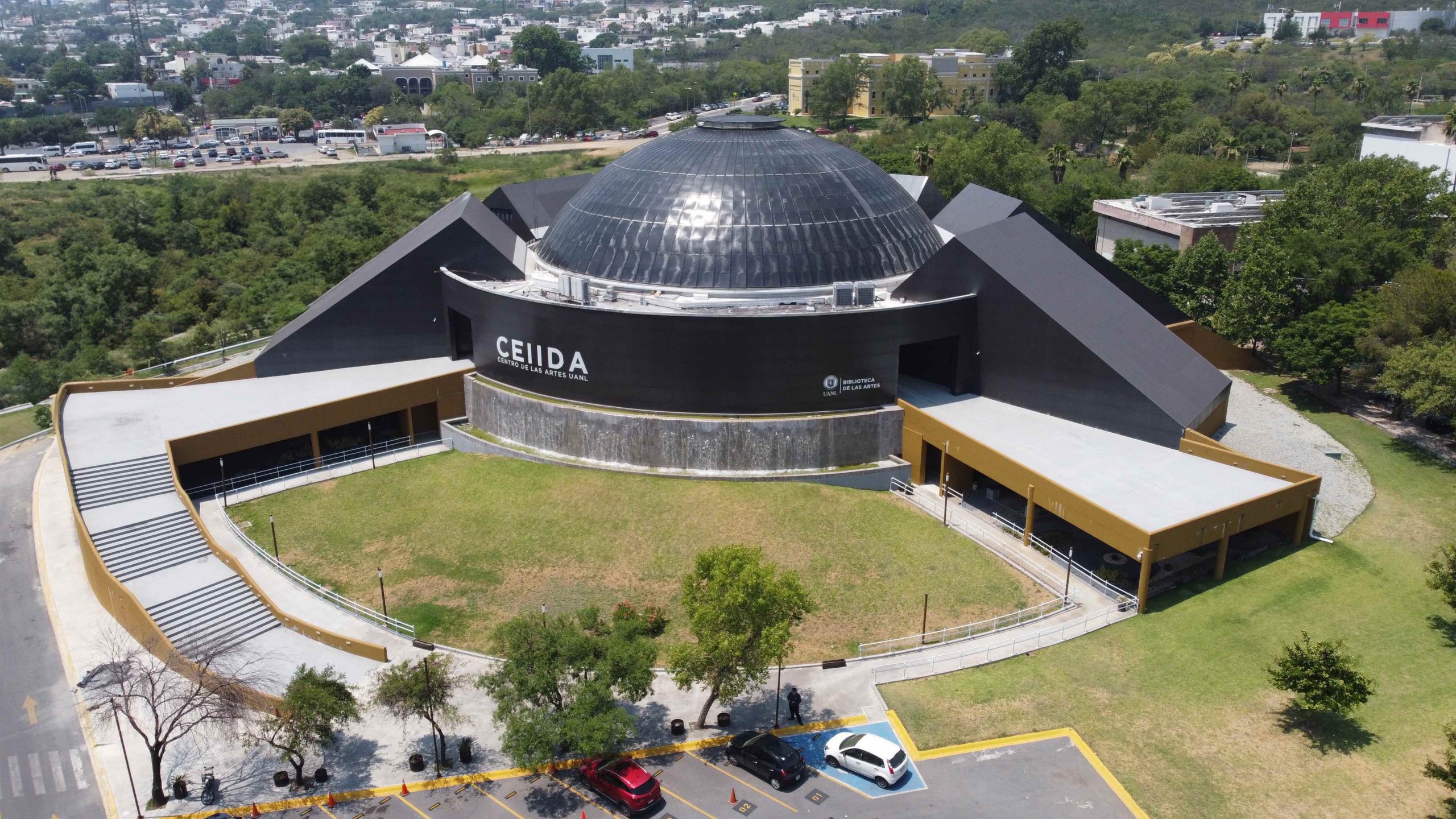
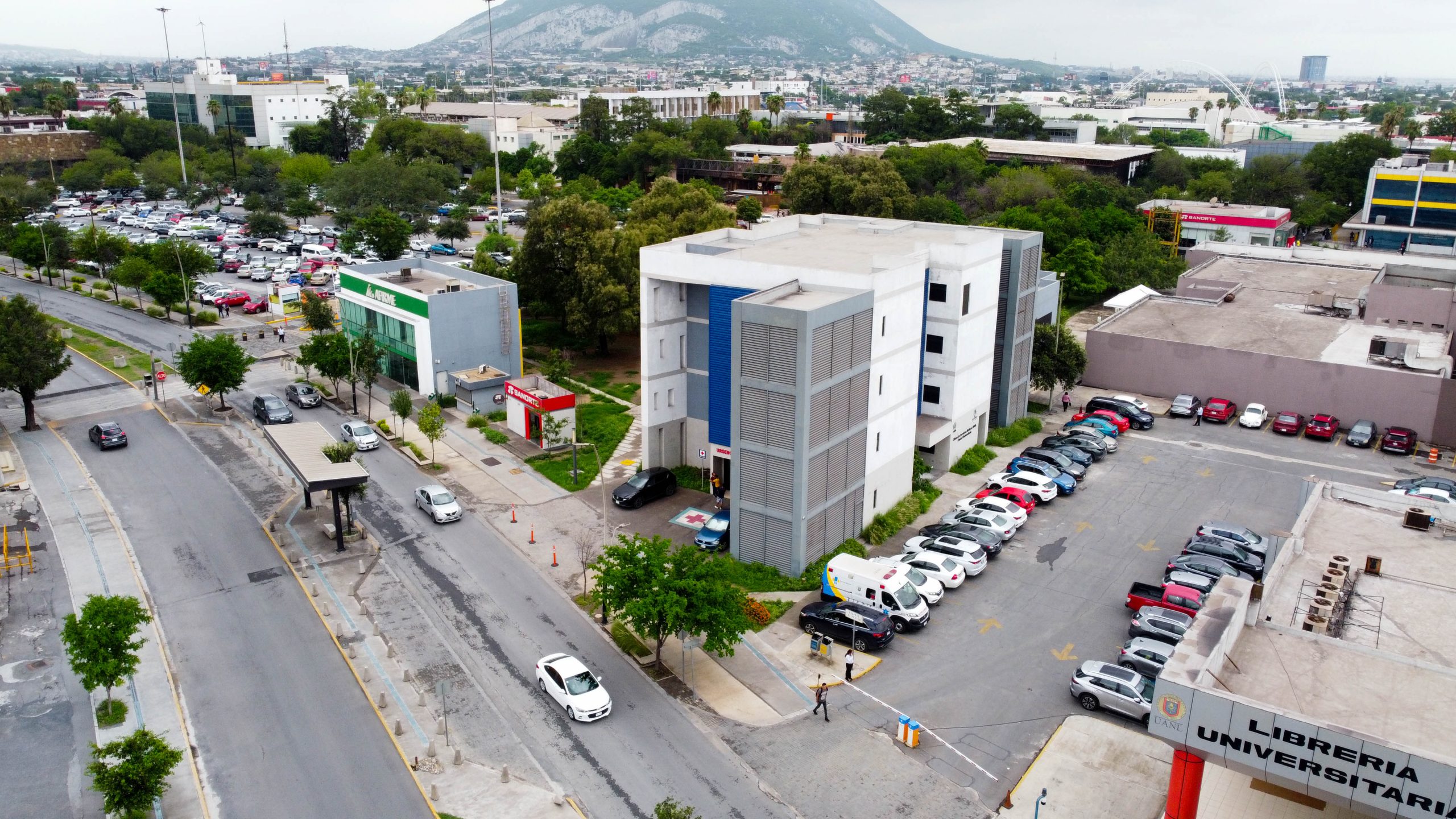
The Autonomous University of Nuevo León (UANL) has consolidated a strategy focused on the design, construction and operation of sustainable and intelligent buildings, as part of its institutional commitment to sustainable development.
This strategy aims to reduce the environmental impact of university infrastructure, improve the well-being of the academic community, and optimize the use of available natural and financial resources.
The sustainable buildings at UANL incorporate advanced technologies and automated management systems that allow for more efficient use of energy, water, and other key resources for their operation. Through the implementation of technological solutions, such as high-efficiency lighting systems, low-consumption climate control equipment, and automated control devices, energy consumption and associated operating costs have been significantly reduced. These actions also contribute directly to reducing the institution's carbon footprint and to achieving the Sustainable Development Goals (SDGs) promoted by the United Nations.
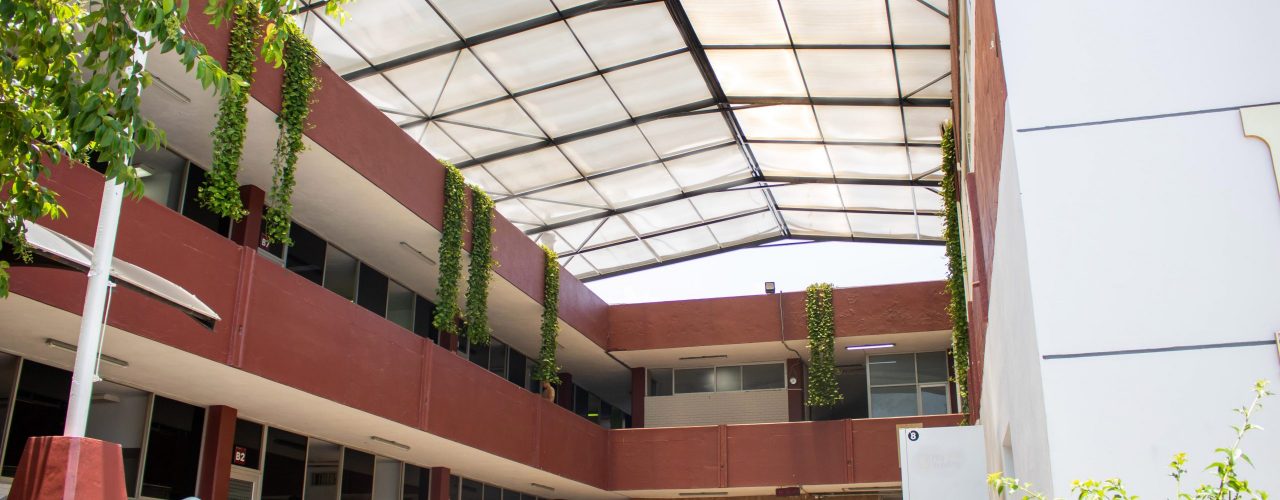
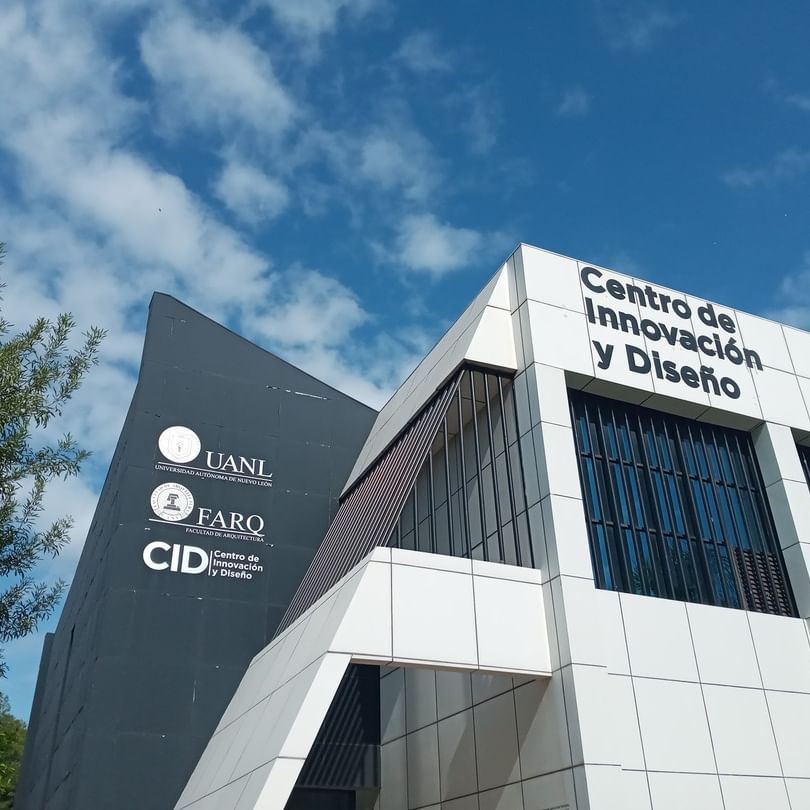
The sustainability approach adopted by UANL is not limited to energy efficiency, but rather integrates broader criteria that consider the entire life cycle of buildings. In this regard, the use of recycled or low-environmental-impact building materials is promoted, as well as the design of spaces that favor thermal efficiency and reduce the need for artificial climate control systems. Similarly, nature-based solutions, such as green roofs and ample garden areas, are incorporated, which contribute to improving air quality, regulating temperature, and creating spaces for interaction that positively impact the physical and emotional well-being of users.
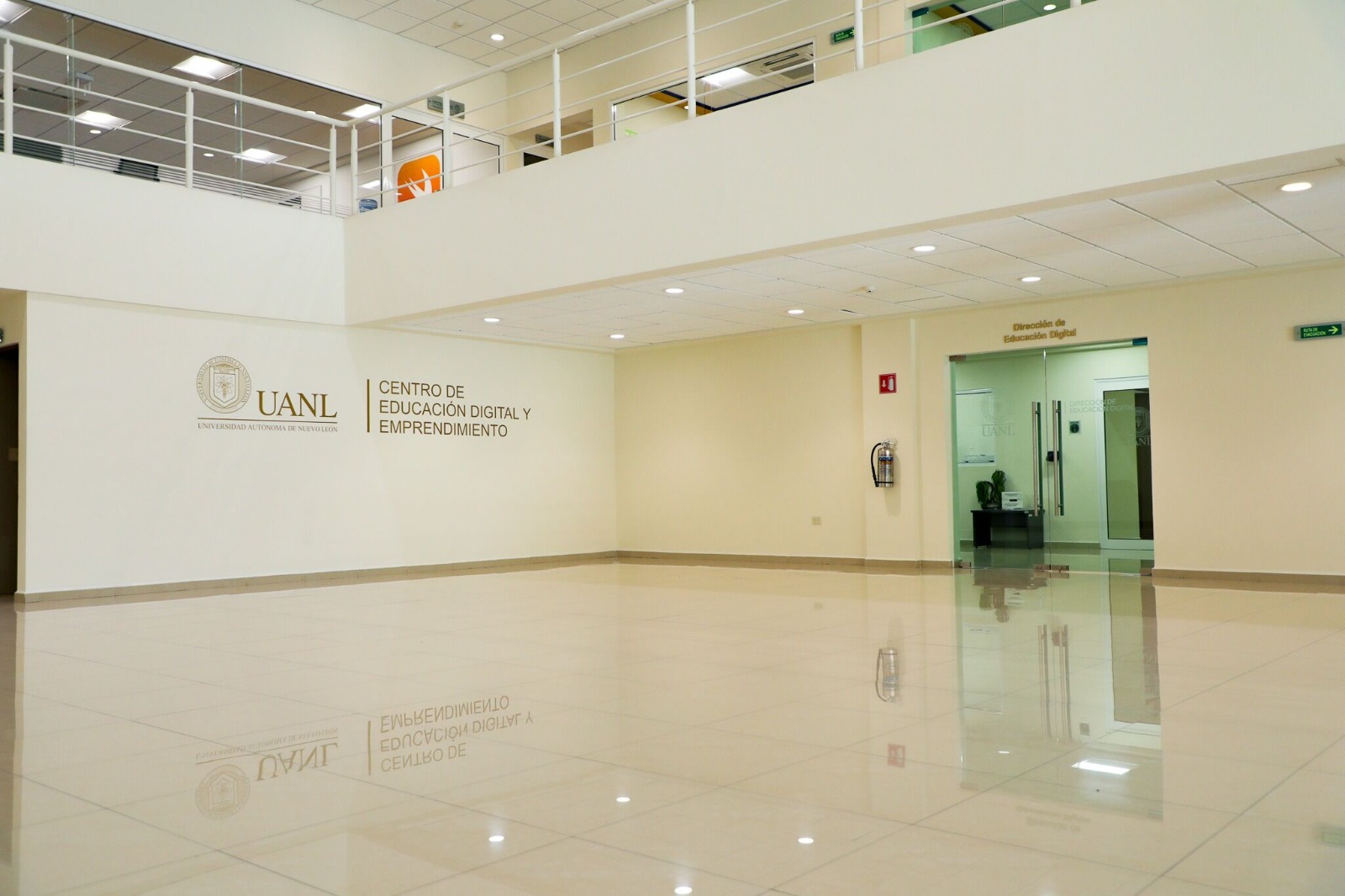
Another fundamental element in the design of sustainable buildings is the prioritization of natural lighting and adequate ventilation. These features not only reduce energy consumption but also enhance occupant comfort and create environments conducive to learning, research, and personal development. The integration of these elements reflects a user-centered approach, in which the quality of spaces is considered a key factor in academic and professional performance.
In addition to their operational function, the sustainable buildings at UANL serve an educational and formative purpose. Through these spaces, the University promotes a culture of sustainability within its community through training programs, awareness-raising activities, and the integration of responsible practices into daily university life. This vision aims to develop environmentally conscious students and professionals capable of implementing innovative and sustainable solutions in their respective fields.
Taken together, sustainable buildings represent a strategic component of the institutional model, integrating operational efficiency, environmental responsibility, and social well-being. The results obtained reflect tangible benefits in reduced resource consumption, decreased pollutant emissions, and improved quality of university spaces. In this way, UANL reaffirms its leadership as a national and international benchmark in the implementation of sustainable infrastructure, actively contributing to building a more resilient future.

 English
  Spanish