Sustainability Secretariat

UNIVERSIDAD AUTÓNOMA DE NUEVO LEÓN

SECRETARÍA DE SUSTENTABILIDAD 

Energy

Efficient use of energy

The Autonomous University of Nuevo León (UANL), as part of its institutional commitment to environmental sustainability and resource efficiency, has operated the Energy Efficiency Program for over 10 years. This program aims to reduce energy consumption in university facilities through the implementation of technical and operational strategies focused on energy conservation, the incorporation of renewable energy sources, and the use of high-energy-efficiency equipment.

The program addresses the need to transition to sustainable energy consumption models, aligned with the Sustainable Development Goals (SDGs), particularly SDG 7 (Affordable and Clean Energy) and SDG 13 (Climate Action). Its implementation not only reduces the environmental impacts associated with intensive energy use but also strengthens a culture of environmental responsibility within the university community.

Energy saving strategies

One of the program's key pillars is reducing energy consumption through the implementation of energy efficiency measures. These include the efficient use of equipment and the adoption of best practices in energy use, such as turning off electrical equipment at the end of the day, unplugging unused devices, and adjusting the operating schedules of heating, cooling, and lighting systems, among others.

Additionally, work has been done on the design and implementation of automated measurement and monitoring systems that allow for the recording and analysis of energy consumption by building, area, or department. This information is crucial for identifying usage patterns, detecting inefficiencies, and implementing corrective actions in a timely manner.

In addition, awareness campaigns have been developed targeting students, teachers and administrative staff, with the purpose of fostering an institutional culture of responsible energy use.

Incorporation of renewable energy sources

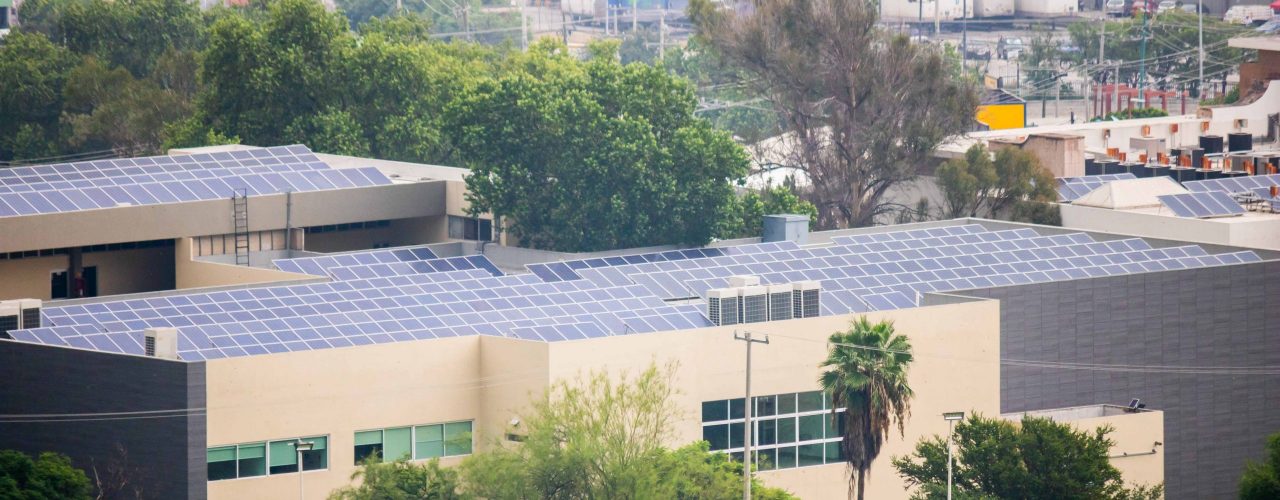
The program's second focus is on the gradual integration of renewable energy into university facilities. This has primarily involved promoting photovoltaic energy generation through the installation of solar panel systems on building rooftops.

These systems transform solar radiation into electricity, which is used directly in the operational activities of the facilities. This reduces the consumption of energy from fossil fuels and minimizes greenhouse gas (GHG) emissions, contributing to the fight against climate change.

The energy generated through these systems is also incorporated as a teaching tool in academic programs related to engineering, architecture and environmental sciences, facilitating practical learning about clean technologies.

Additionally, pilot projects are being promoted to incorporate other renewable sources, such as solar thermal energy, wind power and hybrid systems, depending on the specific conditions of each campus and its energy needs.

Equipment modernization

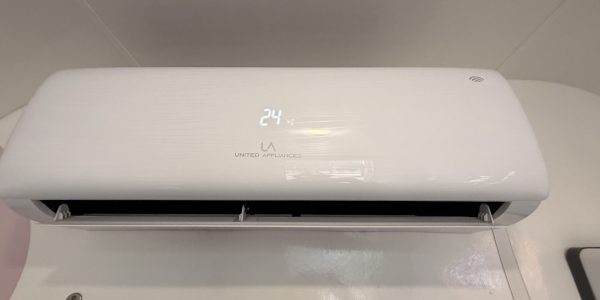
The use of high-efficiency heating and lighting systems is another key component of the program. In this regard, the gradual replacement of outdated equipment with energy-efficient technologies has been promoted. For heating and cooling, systems with variable-speed compressors, environmentally friendly refrigerants, and automated temperature controls have been incorporated, allowing for the maintenance of comfortable thermal conditions with reduced electricity consumption.

Regarding lighting, the transition has been made to LED luminaires, which offer a longer lifespan, significantly reduce energy consumption, and improve the quality of lighting in both indoor and outdoor spaces. These luminaires have been complemented with occupancy sensors and timers, allowing the lighting to be activated only when needed, thus eliminating unnecessary energy consumption.

These actions have been applied in both academic and administrative buildings, libraries, laboratories, auditoriums and sports areas, achieving a substantial improvement in the energy efficiency of the university infrastructure.

Control Panel

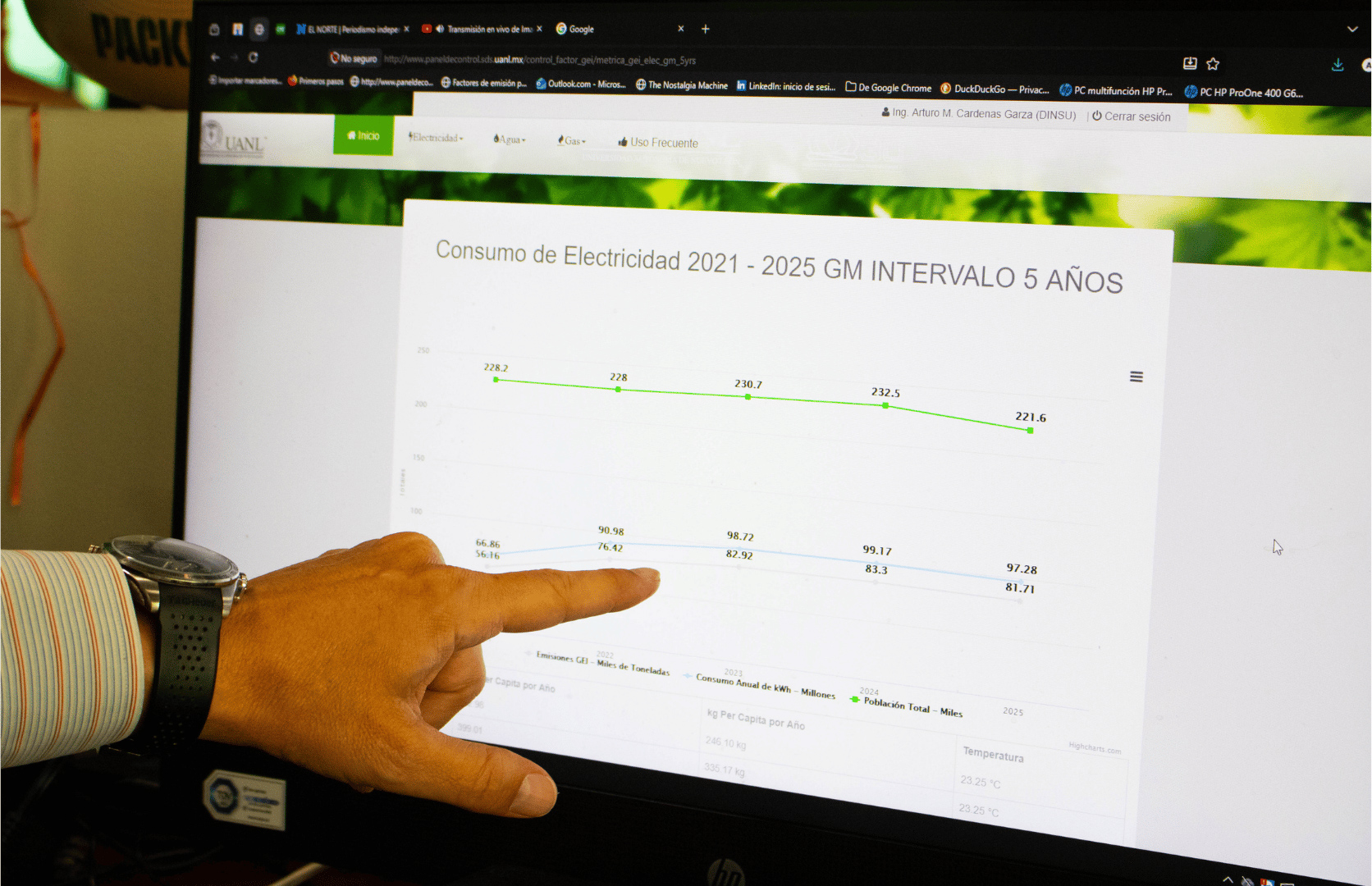
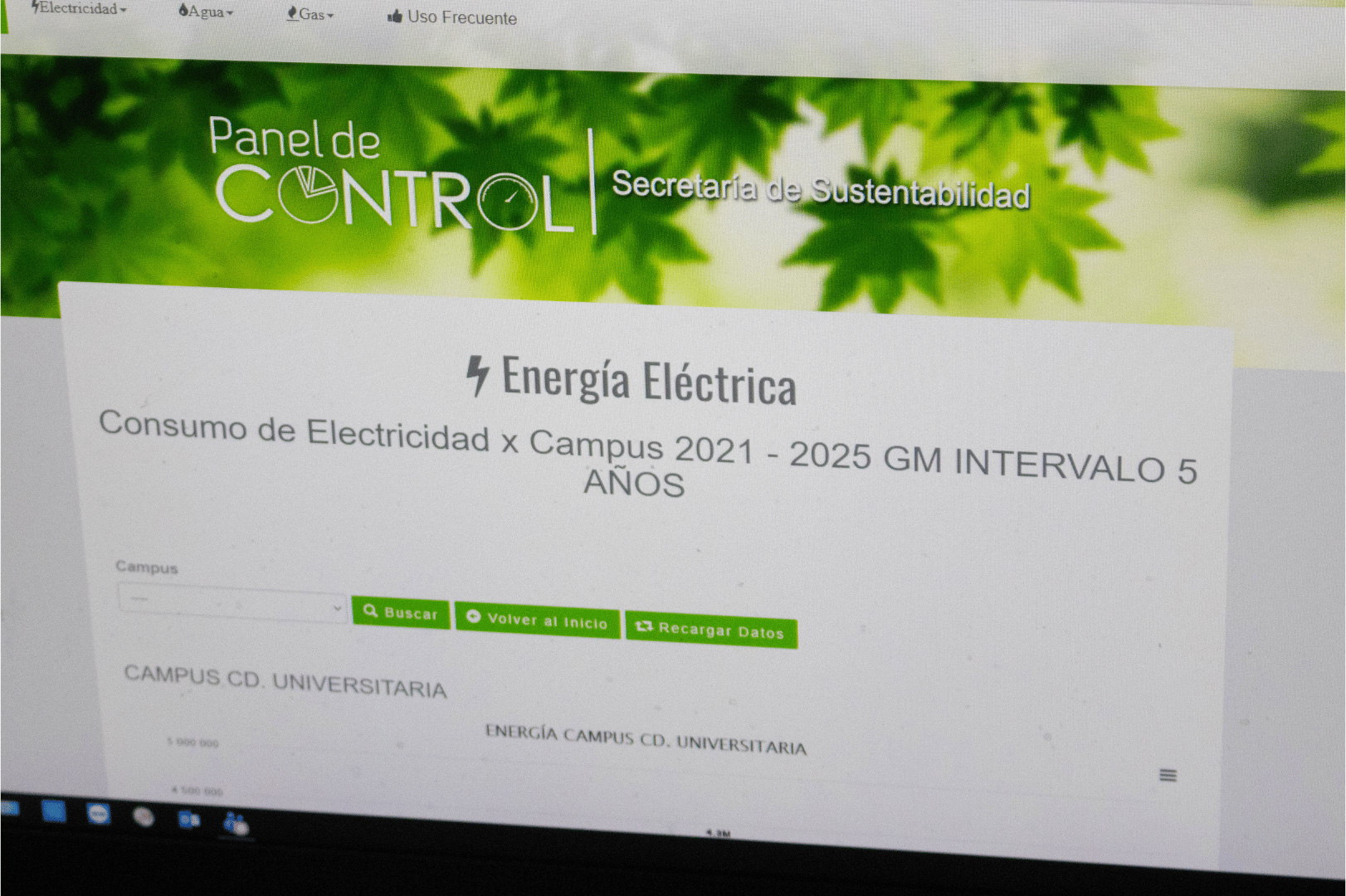
The Control Panel gathers information from smart meters and sensors installed at strategic points, allowing for the identification of consumption patterns, the detection of anomalies, and the evaluation of the impact of implemented energy-saving measures. It also generates comparative reports over different periods, which is useful for setting goals and assessing results.

Among the most significant benefits of this system are reduced electricity consumption, savings in operating costs, and a decrease in greenhouse gas emissions. It also strengthens institutional transparency and promotes a culture of responsible energy use within the university community by providing clear, accessible, and real-time information on the energy performance of its facilities.

Scope of the program

The Energy Efficiency Program has a cross-cutting reach throughout the entire university structure. It is implemented on all campuses and academic units, including high schools, faculties, research centers, and administrative offices. Furthermore, the program is integrated into the university's environmental management systems, ensuring its monitoring, evaluation, and continuous improvement.

Key energy performance indicators have also been established to evaluate progress and generate periodic reports that facilitate decision-making. This evidence-based management strategy allows for the precise measurement of the impact of implemented actions and the setting of new energy efficiency goals in the short, medium, and long term.

Program benefits

The benefits derived from the UANL's Energy Efficiency Program are evident in various dimensions. From an environmental perspective, the reduction in energy consumption and the adoption of renewable sources directly contribute to reducing the institution's carbon footprint.

This strengthens the university's commitment to sustainable development and climate change mitigation. In economic terms, energy efficiency translates into significant operational savings, as it reduces expenses associated with electricity consumption. These resources can then be channeled to other priority areas, such as educational infrastructure, scholarships, or research projects.

In the academic and social sphere, the program encourages the participation of the university community in the construction of a sustainable energy model, while promoting the generation of knowledge and technologies applied to the efficient use of energy.

Taken together, this program positions UANL as a responsible, innovative higher education institution committed to sustainability, consolidating its role as a national and international benchmark in university energy management.

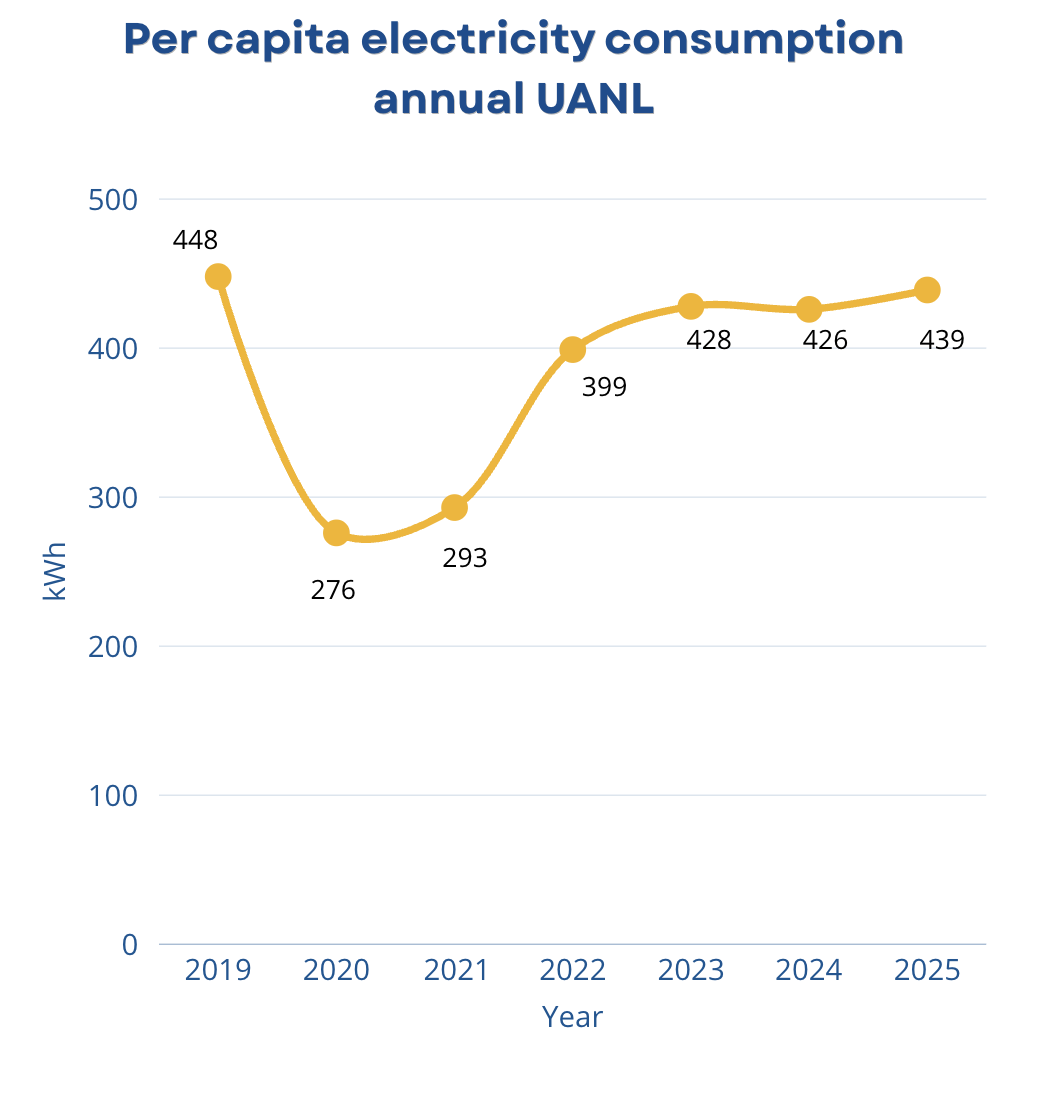
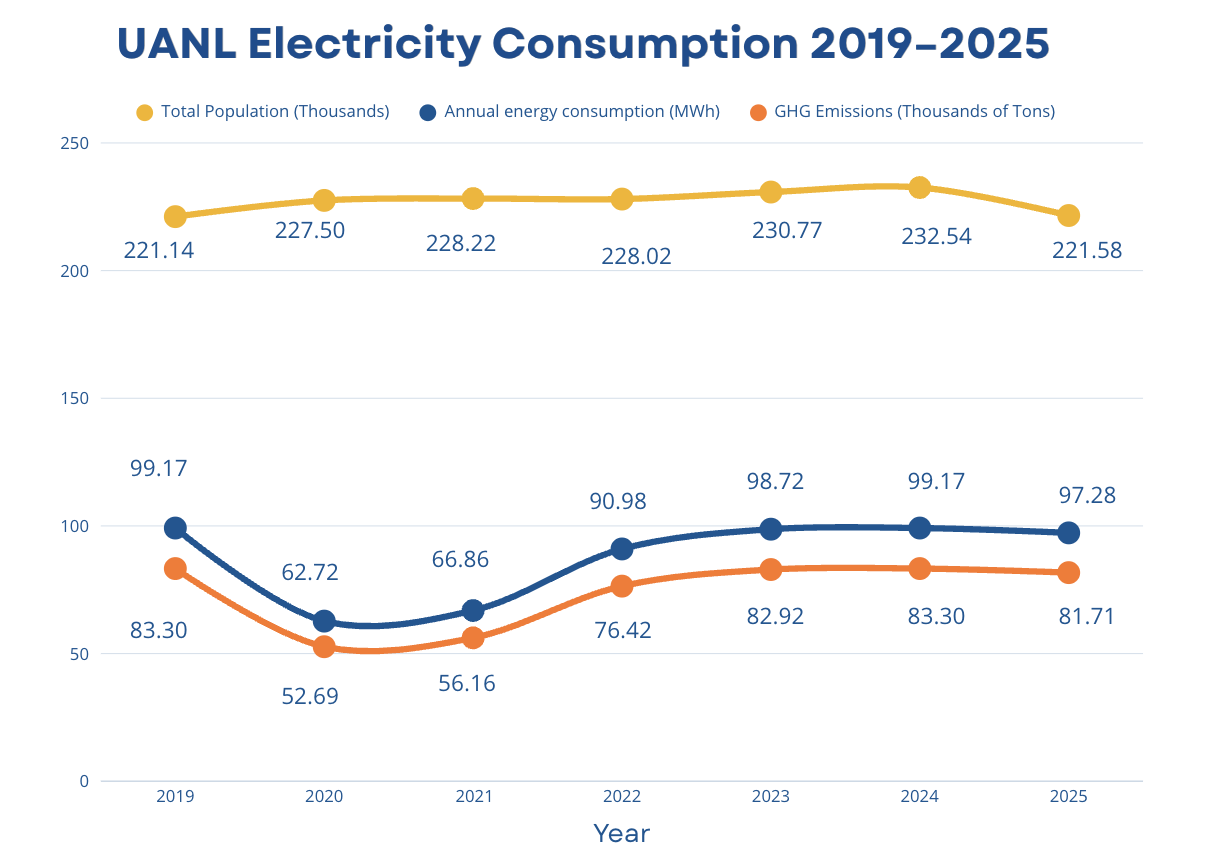
426 kWh of per capita energy consumption in 2024

See graphs of energy consumption per campus over the last three years.

Gas

The UANL, committed to the environment and safety, operates a permanent program to verify the operation and compliance with safety measures of facilities that use Natural Gas or LP, in accordance with those established in the regulations.NOM-002-SECRE-2010for Natural Gas andNOM-004-SEG-2004 for LP Gas, which has made it possible to detect and correct various types of failures in this type of installations.

Additionally, actions are carried out to reduce the consumption of natural gas, in addition to reducing the risk when turning on equipment that uses this type of fuel, through the verification of the carburetion of boilers and ovens, the installation of regulators in the intakes. of natural gas, as well as the installation of meters with electro-correctors, which allows the measurement to take into account the flow and supply pressure, which has generated significant annual savings in Ciudad Universitaria and the Life Sciences campus. Health.

See graphs of gas consumption per campus over the last three years.

en_USEnglish